AST SpaceMobile to build its own Blacklift rocket, signs engine deal with Firefly
Satellite communications company AST SpaceMobile plans to develop its own Blacklift rocket and has agreed with Firefly on engines for the first three vehicles. Ars Technica notes that such rockets have taken five to nine years to reach a first orbital launch.
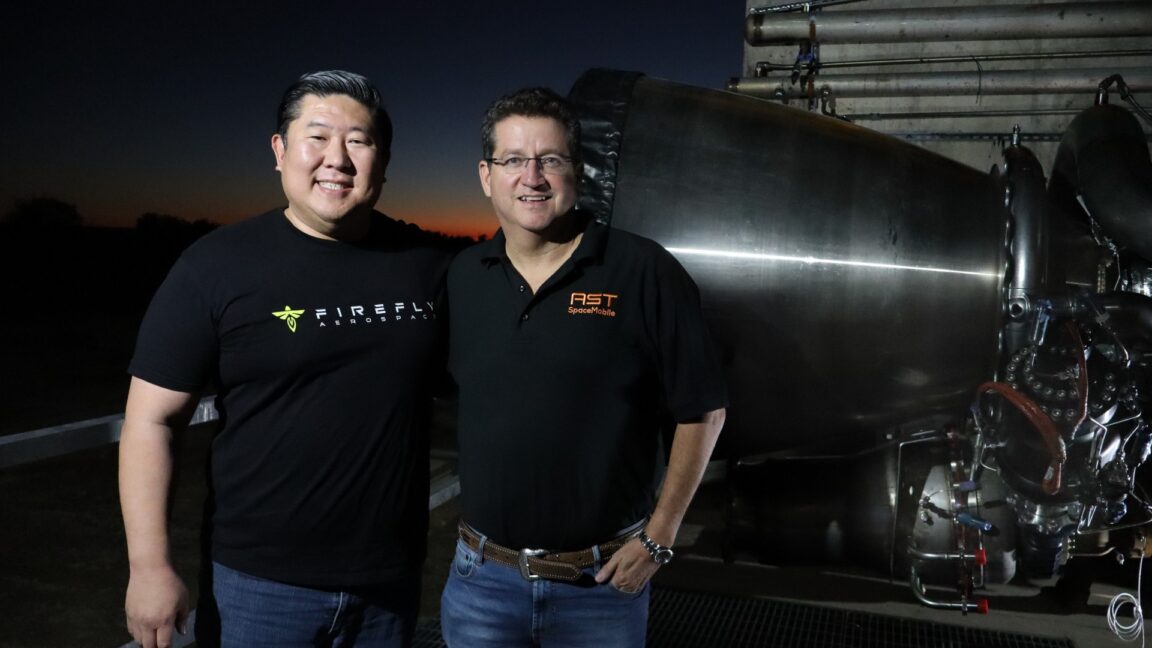
AST SpaceMobile, a company building a satellite communications network, plans to develop its own medium- to heavy-lift launch vehicle called Blacklift. Last Friday it announced an agreement with US rocket maker Firefly, which will supply engines for the first three Blacklift rockets. With launch capacity tight, the move shows satellite operators trying to secure their own access to orbit.
What the agreement covers
According to AST SpaceMobile, Firefly will also provide engineering services over three years. AST SpaceMobile will receive a perpetual licence to manufacture the Miranda engine and the vacuum-optimised Vira variant. Nine Miranda engines will power Blacklift's first stage. The company argues it is not starting from scratch because the engine technology already exists.
How it compares with other programmes
The article points out that SpaceX announced Falcon 9 in 2005 and reached orbit in 4.7 years, the fastest on record. It had advantages: it had been operating for more than three years, had experience with the Merlin engine, and was less than a year from the first launch of the smaller Falcon 1. Falcon 9 initially lifted about 10 tons, and was smaller than the newly announced Blacklift and Big Iron.
Since 2015, several US companies have announced medium and heavy rockets with payload capacities of roughly 7 to 27 metric tons: United Launch Alliance (Vulcan), Rocket Lab (Neutron), Relativity Space (Terran R), Firefly and Northrop Grumman (Eclipse) and Stoke Space (Nova). Only Vulcan has reached orbit. That took 8.7 years, an experienced team and about $2 billion in aggregate federal support across its suppliers. Overall, developing a new medium- or heavy-lift rocket has taken five to nine years from public announcement to first orbital launch.