US Treasury chief met Russia's finance minister, then blamed Ukraine for global energy shock
After meeting Russia's finance minister at a G20 summit, US Treasury Secretary Scott Bessent said Ukrainian strikes on Russian energy sites were fueling a global energy shock. Critics accused him of reversing cause and effect.
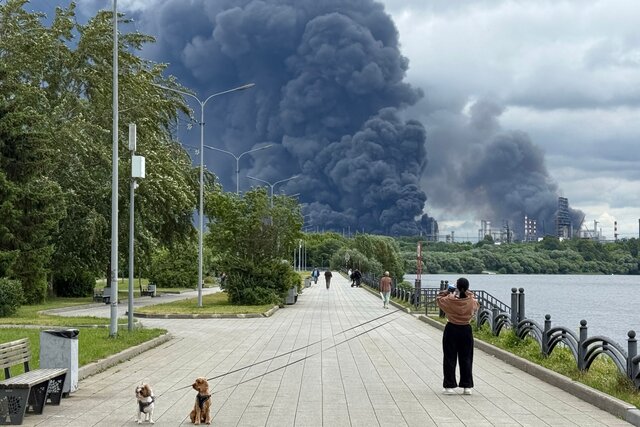
US Treasury Secretary Scott Bessent said Ukrainian strikes on Russian oil infrastructure are among the causes of the global energy crisis, speaking after a G20 finance ministers meeting in North Carolina where Russia's Anton Siluanov attended for the first time since the war began.
Bessent told Fox News that Ukraine had chosen to destroy Russian energy assets and refined products, adding pressure to prices worldwide. He also pointed to the US war with Iran, though he said that conflict would soon end.
Criticism over Siluanov's invitation
Siluanov's attendance and his bilateral talks with Bessent drew criticism from Ukraine's allies. Anton Gerashchenko, a former adviser to Ukraine's interior minister, said Bessent's framing turns Ukraine from a victim of Russian aggression into the cause of a global problem, reversing cause and effect. He argued the energy crisis is driven mainly by wars, with the US-Iran conflict having a far bigger impact on global markets than Ukraine's strikes. Gerashchenko also said Washington wants to cut Russia's energy revenues without reducing its supply to global markets, and that rising gas prices ahead of the November midterms have pushed the Trump administration to find a convenient explanation.
Sanctions bill stalled in Congress
According to Bloomberg, the upcoming elections and fears of another fuel price spike have slowed a new Russia sanctions bill in the House of Representatives. The bill, drafted by the late Senator Lindsey Graham, passed the Senate by a wide majority in August. It would allow tariffs of up to 100 percent on imports from the largest buyers of Russian oil and gas — mainly China, India, and Turkey. House lawmakers have been more hesitant, worried that removing Russian oil from global markets could push gas prices higher amid the Iran war.
Ukraine's presidential sanctions envoy, Vladyslav Vlasiuk, traveled to Washington this week to press Congress not to delay the bill and said he was cautiously optimistic about support for it.
Meanwhile, the European Union is considering new restrictions on Russia. After Germany blamed Moscow for a failed drone attack on Leipzig Airport, European diplomats plan to discuss limiting tourist visas for Russians, restricting Russian diplomats' travel within the EU, and sanctioning more vessels in Russia's shadow fleet.