Kalshi court losses mount as US judges decline to block state gambling laws
US appeals courts keep rejecting requests by the prediction market platform Kalshi to halt state gambling laws. The Second Circuit this week upheld lower-court rulings in cases against New York and Connecticut.
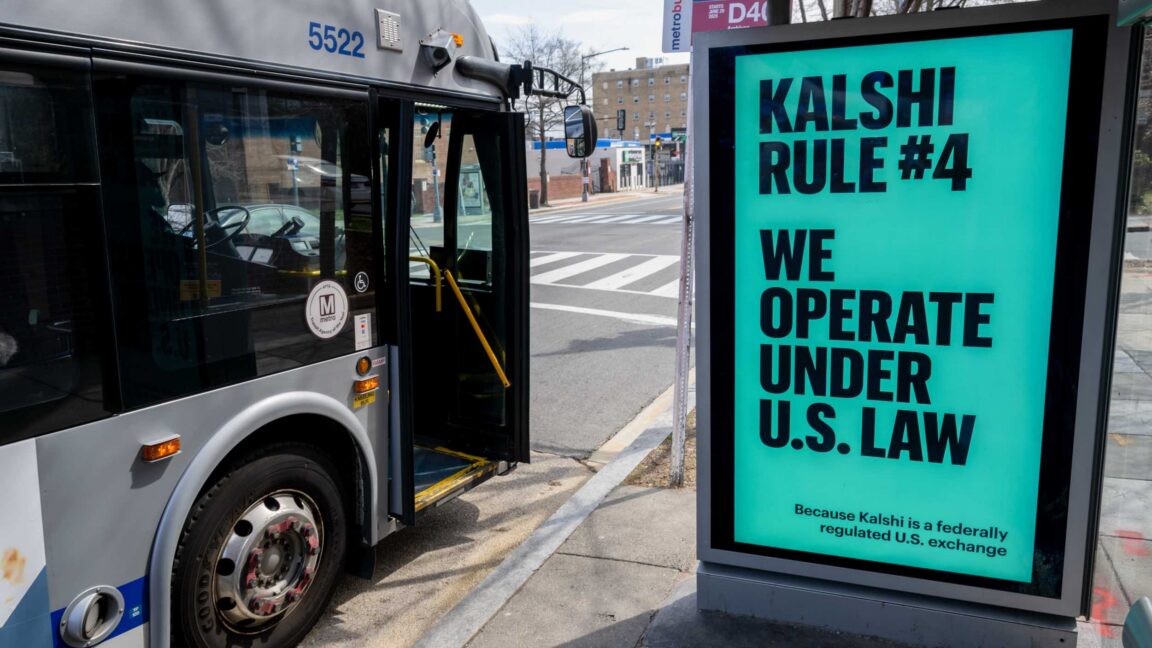
A US federal appeals court, the Second Circuit, on Tuesday refused to temporarily block New York and Connecticut from enforcing their gambling laws against the prediction market platform Kalshi while its appeal proceeds. The ruling is another setback for the company in a dispute over whether platforms like Kalshi can be regulated by individual states or only by the federal government.
A three-judge panel concluded that the appellants had not shown that an injunction pending appeal was warranted. A plaintiff seeking a preliminary injunction must show it is likely to succeed on the merits, and the judges found Kalshi had not done so. The Second Circuit considered Kalshi's losses to New York and Connecticut in a single case and upheld the lower-court decisions. The judges also declined to overturn the loss of cryptocurrency exchange Coinbase against Connecticut in a case raising the same legal issues.
Other rulings
In September, Kalshi lost another significant case when the Sixth Circuit appeals court unanimously ruled that Ohio and Tennessee can enforce their gambling laws against the prediction market.
Kalshi's biggest win came in April at the Third Circuit, which held that New Jersey cannot regulate sports bets on prediction markets. That court found Kalshi wagers meet the federal definition of swaps, and said sports-related event contracts are traded on a market licensed by the CFTC, so the agency has exclusive jurisdiction. Other courts that ruled against Kalshi found that at least some wagers are not swaps and that US law allows both state and federal regulation.
Federal government and the Supreme Court
The Trump administration is on Kalshi's side. The CFTC, the US commodity derivatives regulator, which claims sole authority over platforms such as Kalshi and Polymarket, has sued Arizona, Connecticut, Illinois, Kentucky, Minnesota, New Mexico, New York, Rhode Island, Utah and Wisconsin. New Jersey has asked the Supreme Court to reverse its loss in the Third Circuit, and 39 other states and the District of Columbia filed a brief backing the petition.