US and Iran Sign 14-Point Agreement; Includes $300 Billion Aid
The US and Iran have signed a 14-point memorandum of understanding extending a ceasefire, banning nuclear weapons, and pledging $300 billion in aid to Iran, though US financial contribution remains unclear.
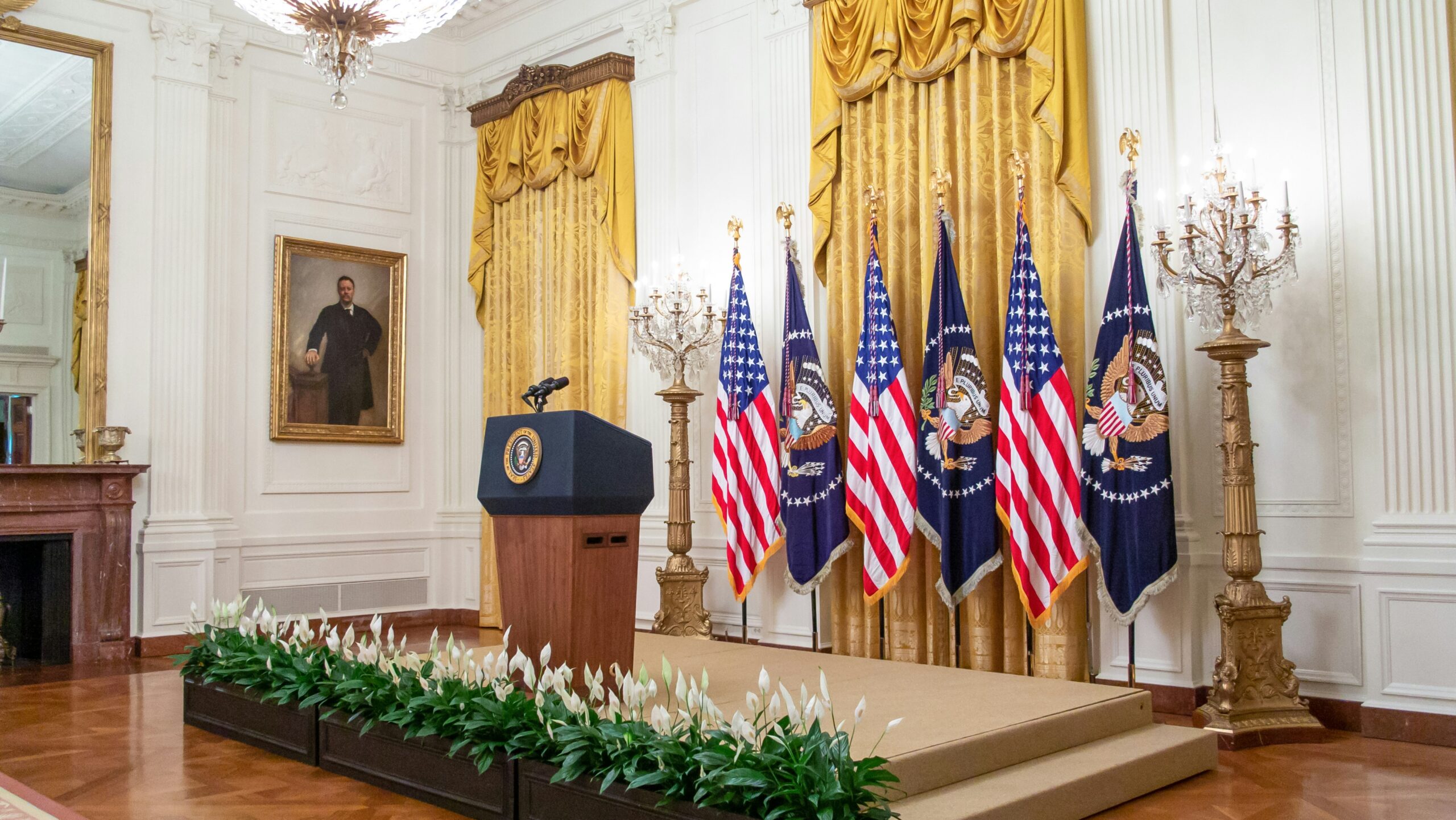
The White House has confirmed that a ceasefire extension agreement between the US and Iran has been signed and is now in effect, though many details remain unresolved. US President Donald Trump signed the document while attending the G7 summit in France.
The 14-point memorandum, called a memorandum of understanding, includes Iran's commitment not to develop nuclear weapons and a pledge of $300 billion in financial support for Iran's reconstruction and economic development. However, it is not explicitly stated whether the US itself will contribute to this aid.
The conflict began after US and Israeli strikes on February 28. The Trump administration described the agreement as performance-based, meaning Iran will receive the promised benefits only if it fulfills its commitments.
The first point stipulates an end to hostilities on all fronts, including Lebanon. The US is concerned that Israeli military operations against Hezbollah could disrupt the agreement, while Iran insists the ceasefire must cover Lebanon. Iran's Foreign Ministry stated on June 17 that any Israeli actions in Lebanon would be considered a violation and would trigger a response. Israel's reaction is not yet known.
The document affirms respect for each other's sovereignty and territorial integrity, and non-interference in internal affairs. This point is likely to anger Iranian dissident groups, as Trump previously promised to support protesters against the regime.
The third point calls for continued negotiations to reach a final agreement within 60 days, with the possibility of extension. The countdown has already started. Both presidents have signed the memorandum, but an official signing ceremony planned in Geneva this week has not been confirmed.
After the signing, the US committed to ending the naval blockade and removing obstacles to Iran's port operations. The blockade will be fully lifted within 30 days, and the number of ships allowed to pass through Iran's ports will be proportional to those permitted through the Strait of Hormuz. The US will also withdraw its forces from waters near Iran within 30 days.
The fifth point requires Iran to ensure safe commercial shipping through the Strait of Hormuz without imposing tolls. Since the war began, Iran had closed the strait, a key route for oil and gas exports. Traffic is to resume immediately, pending demining and technical work. In the long term, Iran will cooperate with Oman and other Gulf states on managing the strait.
The document includes a provision for a joint plan worth at least $300 billion for Iran's reconstruction, to be finalized within 60 days. US officials emphasize that the US will not provide funds—it will issue licenses and permits, but the money will come from other sources.
The seventh point states that the US will lift all economic sanctions against Iran, both UN and unilateral ones. The timeline will be set in the final agreement.
Iran has agreed not to acquire or develop nuclear weapons and to remove its existing enriched uranium. The uranium will be downblended under IAEA supervision—the US considers this a significant achievement.
Points nine and ten specify that while the uranium issue is being resolved, Iran's nuclear program will remain in its current state. The US will not impose new sanctions and will issue licenses for oil exports and related banking transactions.
One of the most contentious issues is frozen assets. Iran demands full access to all its frozen funds, and the US has pledged to make them available after the memorandum is signed.
The final three points address the establishment of a joint mechanism to monitor implementation and the approval of the final agreement through a binding UN Security Council resolution.