Scientists identify the protein a gut bacterium's toxin uses to attack the colon
Johns Hopkins researchers found that the Bacteroides fragilis toxin BFT attaches to the protein claudin-4. A molecular decoy built from this finding protected mice from the toxin's effects.
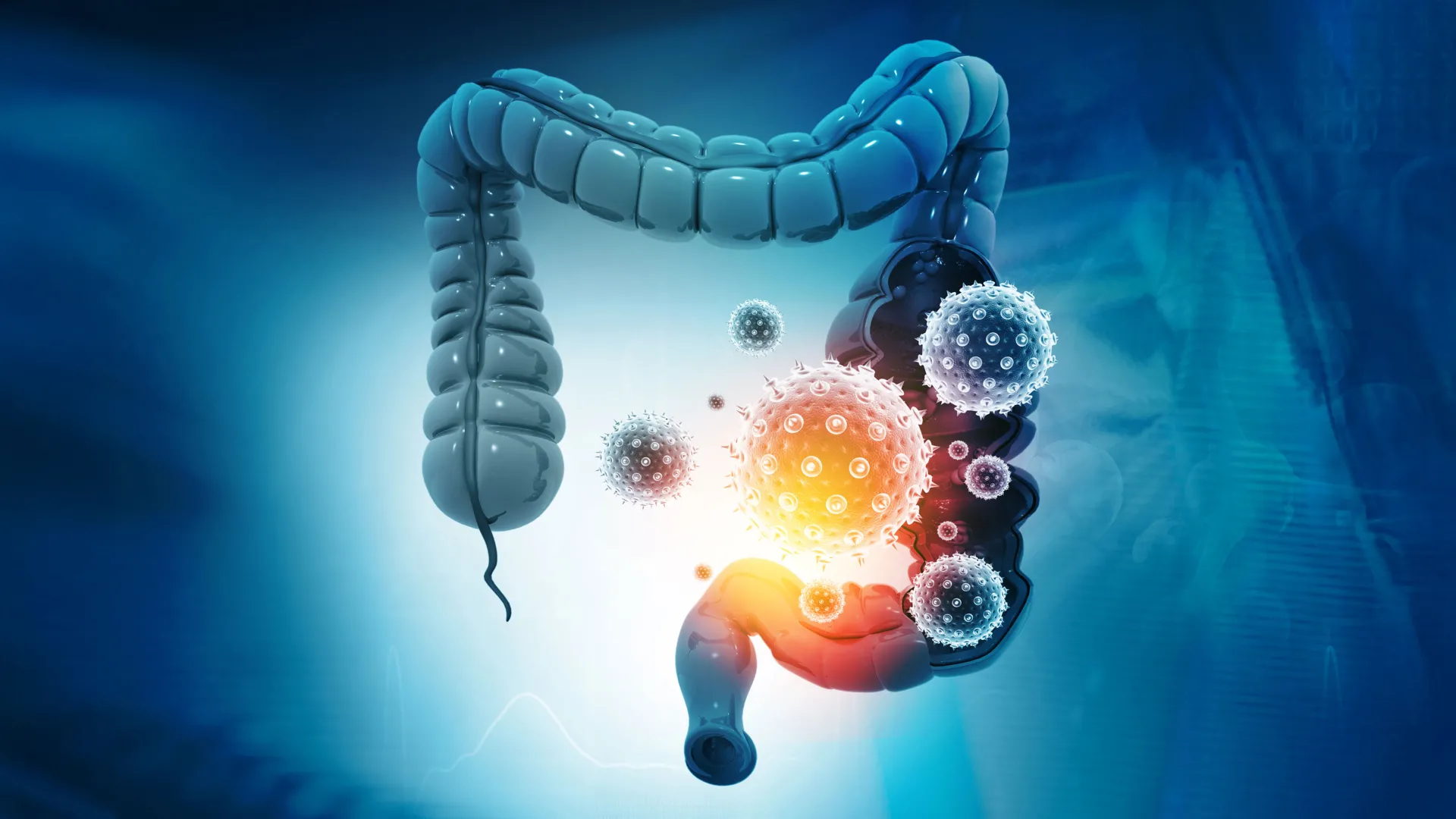
Researchers at the Johns Hopkins Kimmel Cancer Center have published a study in Nature explaining how a toxin made by the gut bacterium Bacteroides fragilis first attaches to cells lining the colon. The toxin, called BFT, has long been linked to inflammation and tumor formation in the colon, but its initial point of attack was unknown. The finding points to a possible new way of protecting the colon, including in relation to colorectal cancer.
Bacteroides fragilis can be found in the intestines of up to 20% of healthy people. Its presence alone does not mean cancer will develop, but some strains produce a toxin that disrupts the colon's protective lining, causes inflammation and encourages tumor growth. In a 2009 study in Nature Medicine, a team led by Cynthia Sears showed that the toxin can promote colon tumors. Earlier work had also shown that BFT breaks down E-cadherin, a protein that holds neighboring cells together, yet the toxin did not appear to bind to it directly.
CRISPR reveals the missing link
The team used CRISPR, a gene-editing technology, and worked with Matthew Waldor's laboratory at Harvard Medical School to switch off genes one by one in colon epithelial cells. One gene stood out: it codes for claudin-4, a protein that helps form tight junctions between cells. When it was disabled, BFT could no longer attach to the cells or attack E-cadherin. Sears and others had expected the receptor to be a signaling protein. Working with structural biologists at the Molecular Biology Institute of Barcelona, the researchers showed in laboratory experiments that BFT and claudin-4 form a tightly bound complex, with one toxin molecule pairing with one receptor molecule.
A decoy tested in mice
The researchers developed a soluble protein carrying claudin-4 sequences, designed to attract the toxin without allowing it to damage the colon lining. In mice, BFT attached to the decoy instead of colon cells, and the animals were protected from the toxin's damage.
The authors note limits. The exact three-dimensional structure of the toxin–receptor interaction has not been captured, and even AlphaFold has not fully resolved it. The mouse experiments showed protection from tissue damage but not prevention of colorectal cancer, and more work is needed to test safety and effectiveness in humans. The team is now exploring small molecules and other biologic treatments. The research was partly supported by the US National Institutes of Health.


