High court refuses well-known individual's bid to block Guardian and ITN allegations
The High Court in London has rejected an anonymous “well-known individual's” application to stop The Guardian and broadcaster ITN from publishing allegations of inappropriate sexual activity. The judge accepted publication would raise suicide risk, but ruled that protecting the man is the job of state health services.
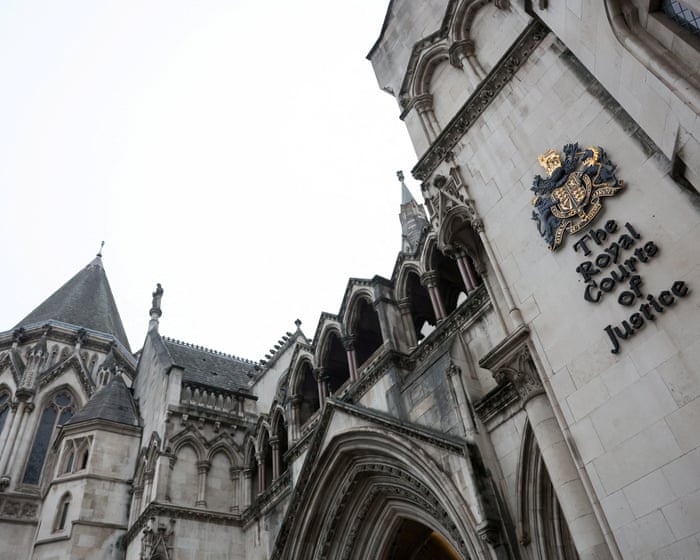
The High Court in London has dismissed an application by an anonymous “well-known individual” to prevent the Guardian newspaper and the broadcaster ITN from publishing allegations of inappropriate sexual activities. The man, identified in court only as PPT, denies the allegations. The ruling is significant because it addresses whether a person's risk of suicide can justify blocking media reports.
His legal team argued he was “highly likely” to attempt suicide if the allegations were published. To seek an injunction, he relied on three articles of the European convention on human rights: article two, the right to life; article three, which covers “inhuman or degrading treatment”; and article eight, which protects respect for private and family life.
The judge's findings
Mr Justice Nicklin accepted that a decision permitting publication, the anticipation of publication and publication itself would each materially and very substantially increase the claimant's risk of suicide. However, he concluded the conditions for blocking publication under those articles were not met. In his view, it fell to the state's health services to protect the claimant from harm.
The ruling says the state has assumed responsibility for the claimant's immediate safety through a psychiatric hospital and mental health services. He is detained under the Mental Health Act 1983, and the hospital directly controls his care, observation, treatment, access to means of self-harm, leave and eventual discharge. It has therefore taken on responsibility for the very risk that article two addresses.
The court found that the evidence shows the hospital can provide significant protection. Inpatient treatment cannot eliminate the risk, but it materially reduces the likelihood of suicide.
Anonymity remains
The claimant's anonymity stays in place for now, because the judge gave him permission to appeal against the ruling.