Russian grain transit through Latvia surged sharply in August
Latvian tax authority data show a sharp rise in Russian grain transit through Latvia in August, as Russia seeks new Baltic Sea export routes amid attacks on its Black Sea shipping. The government held an emergency meeting but stopped short of major restrictions.
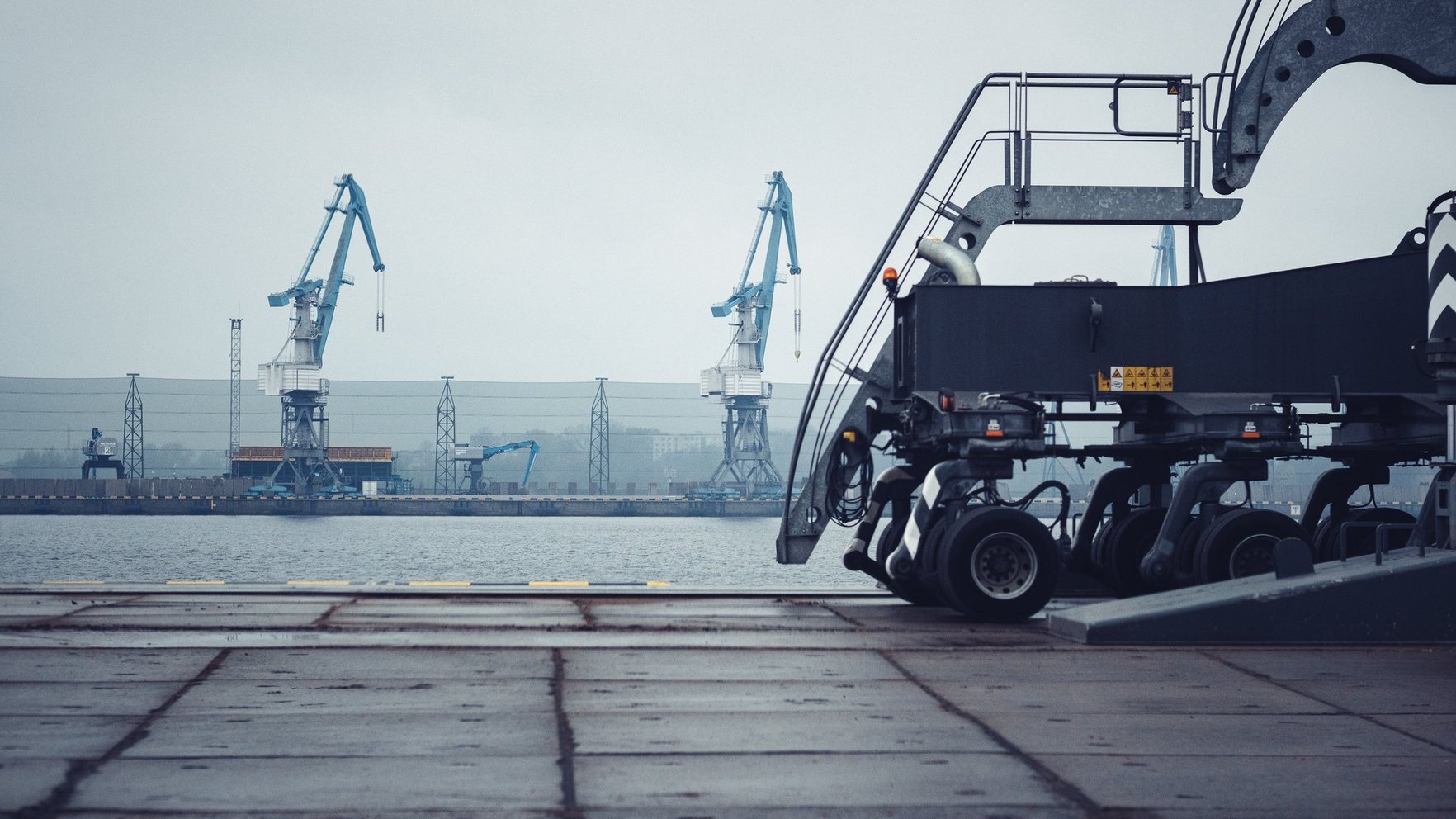
Data from Latvia's State Revenue Service (VID) show that transit of Russian grain cargo through Latvia rose sharply in August, Latvian broadcaster TV3's programme "Nekā personīga" reported. Over the three summer months, nearly 160,000 tonnes of grain passed through the country — significantly more than in the previous season — with August alone accounting for 46 percent of the year's total volume so far.
Raimonds Zukuls, deputy director general for customs at VID, said the increase is partly seasonal but confirmed a marked jump in recent weeks, with up to 80 railcars a day now crossing Latvia's eastern border checkpoints. He said the cargo is mainly heading to ports in the Kurzeme region — Liepāja and Ventspils — with Liepāja likely receiving the largest share.
Why cargo is shifting toward Latvia
According to information obtained by the international news agency Reuters, Russia is trying to redirect its grain export flows away from the Black and Azov seas, as attacks by Ukraine's armed forces have made those routes increasingly risky. Latvia's port capacity exceeds domestic needs, and this season Russia could attempt to reroute between five and ten million tonnes of grain through the Baltic Sea.
Government response
Prime Minister Andris Kulbergs convened an emergency cabinet meeting attended by VID officials, the management of state railway company Latvijas dzelzceļš (LDz), and the transport minister. However, the meeting produced no major restrictions — the only decision was to allow the Food and Veterinary Service to begin inspecting transit grain cargo at ports, a step that still requires separate cabinet approval.
The National Alliance party has proposed banning the transport and storage of Russian food cargo in Latvian ports, customs warehouses and free zones, and other coalition parties have gradually voiced support for at least verifying whether shipments contain grain stolen from Ukraine's occupied territories. An LDz representative said losing eastern cargo volumes could cost the company around 20 million euros. Juris Lazdiņš, head of the Farmers' Saeima, argued that continuing the transit effectively supports Russia's economy, while the Tax and Customs Police confirmed no criminal case has yet been opened over potentially stolen grain.