Ear Stimulation for High Blood Pressure: Trial Shows Limited Overall Effect
In a Queen Mary University of London trial of 63 patients, an ear-based electrical stimulation device was safe but did not significantly lower blood pressure overall. A clearer effect appeared in patients with more severe hypertension.
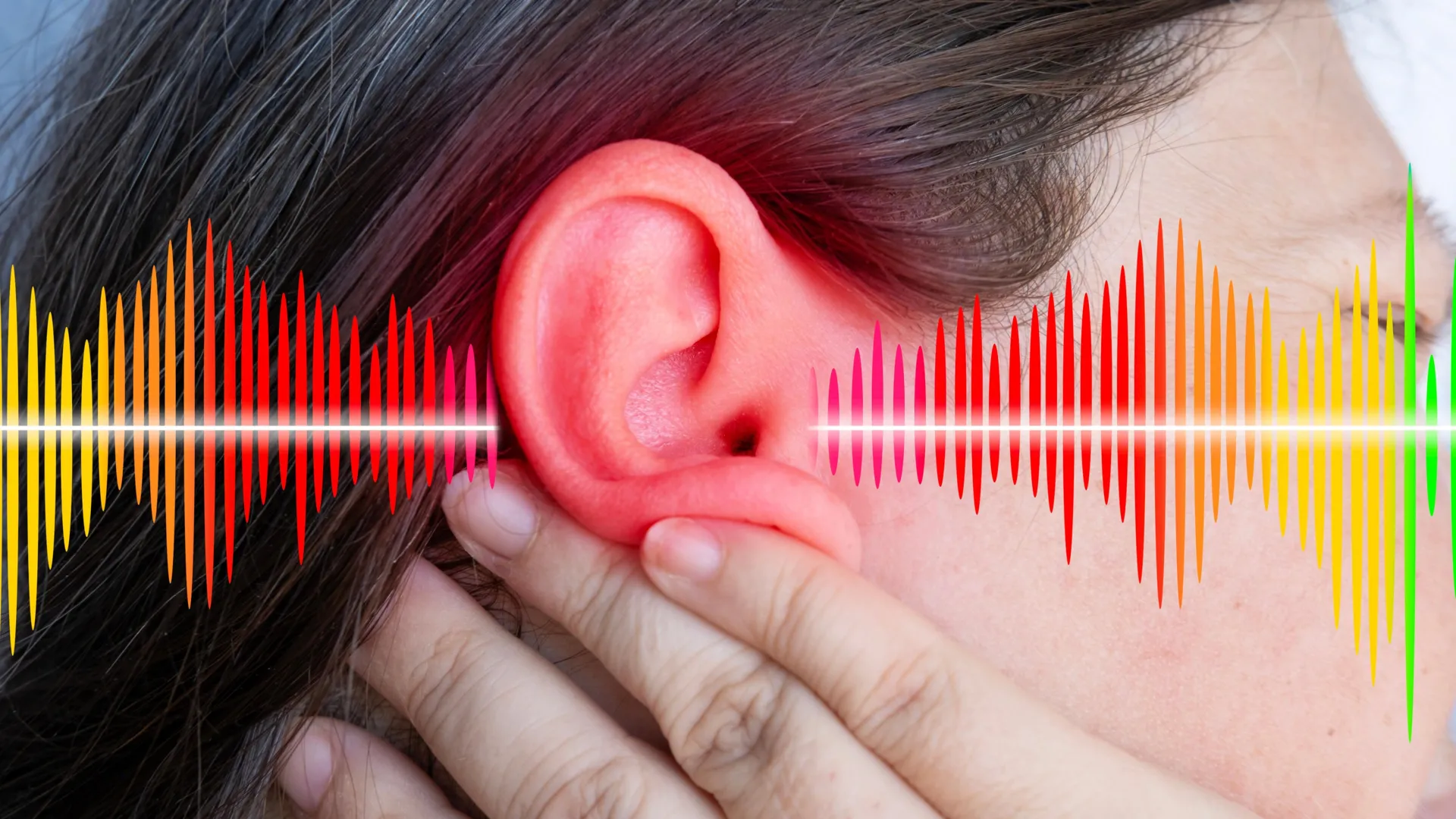
Researchers at Queen Mary University of London in the United Kingdom have tested a small device that sends gentle electrical pulses to nerves in the ear, aiming to treat stubborn high blood pressure, or hypertension. The device proved safe and practical for patients to use at home, but across all participants it did not lower blood pressure significantly compared with a placebo device. The findings matter because some patients' blood pressure stays elevated even while they take medication, and additional treatment options are needed.
How the device works
The technique is called transcutaneous autonomic neuromodulation. It seeks to influence the autonomic nervous system, which automatically controls heart rate, digestion and blood pressure. The handheld device, developed by Afferent Medical Solutions, uses two small clips placed on the tragus, the flap of cartilage just in front of the ear canal. Patients can give themselves the treatment without visiting a clinic.
How the trial worked
The SCRATCH-HTN trial was funded by the National Institute for Health and Care Research (NIHR). It enrolled 63 people with uncontrolled hypertension who were already taking at least one blood pressure medication but still had readings above recommended levels. Participants were randomly assigned to two groups: one received active stimulation, the other used a sham device for comparison. For the first two weeks, they used the devices for 30 minutes a day, then once a week for the next 10 weeks. Most followed the schedule.
No statistically significant difference between the groups appeared across the whole study population. However, a prespecified subgroup analysis, planned before the results were examined, showed a greater drop in blood pressure among patients with more severe hypertension who received active stimulation.
Researchers' assessment
Chief Investigator Dr. Ajay Gupta, Clinical Reader at Queen Mary University of London and Consultant Physician at Barts Health NHS Trust, said the technology could ultimately provide a cheap and scalable solution. The trial was small, though, and the subgroup result must be confirmed in larger studies. The study was published in Hypertension, a journal of the American Heart Association. The researchers stress that this is an early step, not proof of an effective new treatment.


