Eastern flank countries back Ukraine and Moldova, but differ on conditions
A comparison of nine EU Eastern flank countries shows broad support for Ukraine and Moldova's accession, but different priorities and demands. Some frame it as a security necessity, while others insist on strict membership criteria.
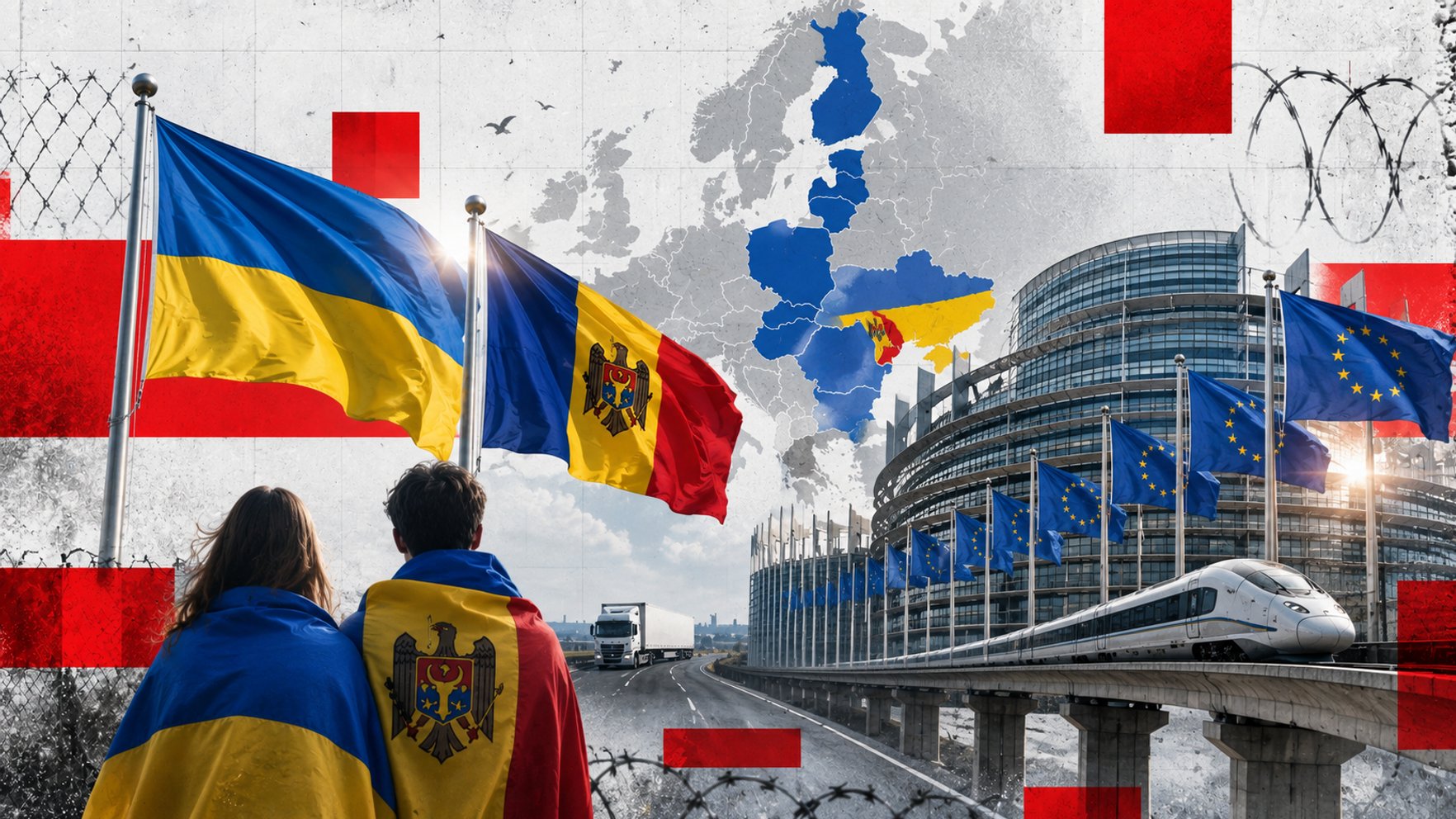
Russia's full-scale invasion of Ukraine in February 2022 turned EU enlargement from a mostly gradual, technical process into a geopolitical priority. The European Council's decision to grant Ukraine and Moldova candidate status and open accession talks highlighted that shift. A comparison of nine Eastern flank member states — Bulgaria, the Czech Republic, Finland, Hungary, Latvia, Lithuania, Poland, Romania and Slovakia — shows broad political support but significant differences.
Poland, Romania and the Baltic states are the strongest advocates, framing enlargement as a security necessity. Polish Prime Minister Donald Tusk has said there can be no secure EU without an independent and secure Moldova. Romania treats Moldova's accession as a strategic priority, with officials calling it the only path to stability. Lithuania and Latvia see membership as a way to curb Russian influence and strengthen democratic governance near the EU border. Finnish officials argue Ukraine's integration would improve the EU's own security.
Yet support is not unconditional. Most governments insist that Ukraine and Moldova meet the Copenhagen criteria and carry out reforms. Czech officials warn against softening conditions, recalling that Prague itself had to wait eight years. Slovakia and Finland stress a merit-based process. Romania, Lithuania and Latvia also reject any weakening of requirements. Hungary, after its 2026 government change, lifted its veto on opening the first negotiating cluster following an agreement with Kyiv on the Hungarian minority's rights, but Prime Minister Péter Magyar ruled out opening all clusters immediately, saying it would be unfair to Western Balkan candidates that have waited for years.
Domestic politics adds further friction. In Poland, historical disputes such as the Volhynia massacres remain sensitive, and far-right groups call for delaying Ukraine's accession. Bulgaria's public is cooler towards Ukraine than Moldova, and nationalist politicians oppose further enlargement. In Slovakia, a coalition party has criticised Ukraine's membership prospects. By contrast, Lithuania, Latvia and Finland enjoy broader consensus, with no ruling-coalition force fundamentally opposed. Romania shows broad unity on Moldova, while far-right forces reject Ukraine.
Economic concerns also play a role, especially in Poland, Bulgaria, Hungary and Slovakia, where farmers worry about competition from Ukraine's large agricultural sector. Bulgaria has seen protests over Ukrainian grain imports, and Slovak business groups fear enlargement could reduce EU funds available to current members.