Bacterial toxin from E. coli a leading suspect in rising bowel cancer among under-50s
MPs in the UK have heard that colibactin, a toxin made by some E. coli strains, is a leading explanation for the rise in bowel cancer among younger people. Researchers stress that a causal link is yet to be proven.
Exposure to a bacterial toxin early in life may be behind the rise in bowel cancer among people under 50, researchers told the UK House of Commons science and technology committee in London. The question matters because known risk factors do not fully account for the growing number of younger patients.
Over the past two decades, cases of early-onset bowel cancer have doubled in many countries. Rising obesity and falling physical activity contribute, but researchers believe other factors are involved. Dr Karl Smith-Byrne, a senior molecular epidemiologist at the University of Oxford, said established risk factors such as obesity, smoking and alcohol explain only about half of diagnosed cases.
Colibactin
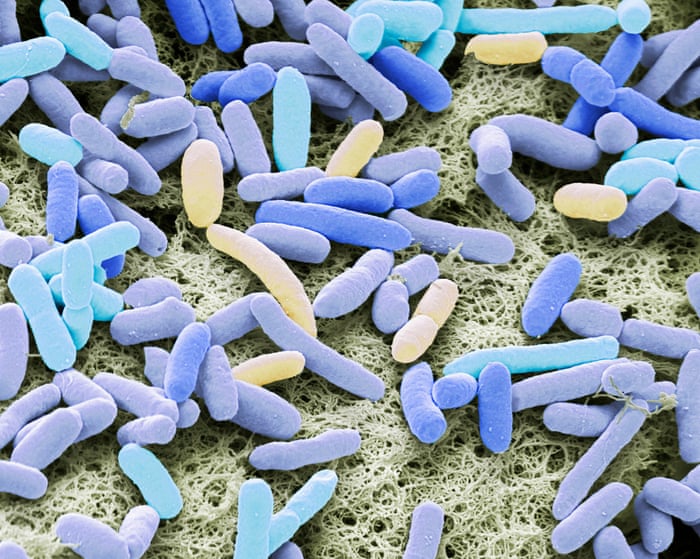
Last year, scientists identified colibactin, a toxin produced by some variants of E. coli bacteria in the gut, as a potential driver of early-onset colorectal cancer. Characteristic mutations caused by the toxin were three times more common in tumours from people under 40 than in those from people over 70. Smith-Byrne said this is probably the leading explanation at present, though it remains to be established whether colibactin actually causes bowel cancer.
Prof Mike Stratton of the Sanger Institute, who did not attend the hearing, has said colibactin causes mutations in some children but not others, with signs appearing as early as infancy. By age 10, affected children can carry a similar mutational burden to a 50-year-old.
Prof Elio Riboli, a cancer epidemiologist at Imperial College London, said colibactin is found essentially in people born after 1960 and suggested E. coli had mutated. Prof Helen Coleman, a cancer epidemiologist at Queen's University Belfast, called it the first new clue in quite some time, but said research continues. She said exposure is likely to occur in very early childhood or even before birth, which makes it hard to study.
Reducing known risks
Bowel cancer is the third most common cancer worldwide, accounting for about one in 10 cases. It remains far more common in people over 50, but global figures indicate diagnoses are rising steeply among younger people. Riboli noted that in the UK and US drinking and smoking are falling while obesity is rising and physical activity is declining. He said applying existing knowledge could prevent about 60% of cancers occurring now.