White House Teleprompter Operator Allegedly Won Big Betting on Presidential Speeches
President Donald Trump's teleprompter operator Gabriel Perez has been placed on administrative leave for allegedly making over $100,000 betting on the length of presidential speeches on Kalshi.
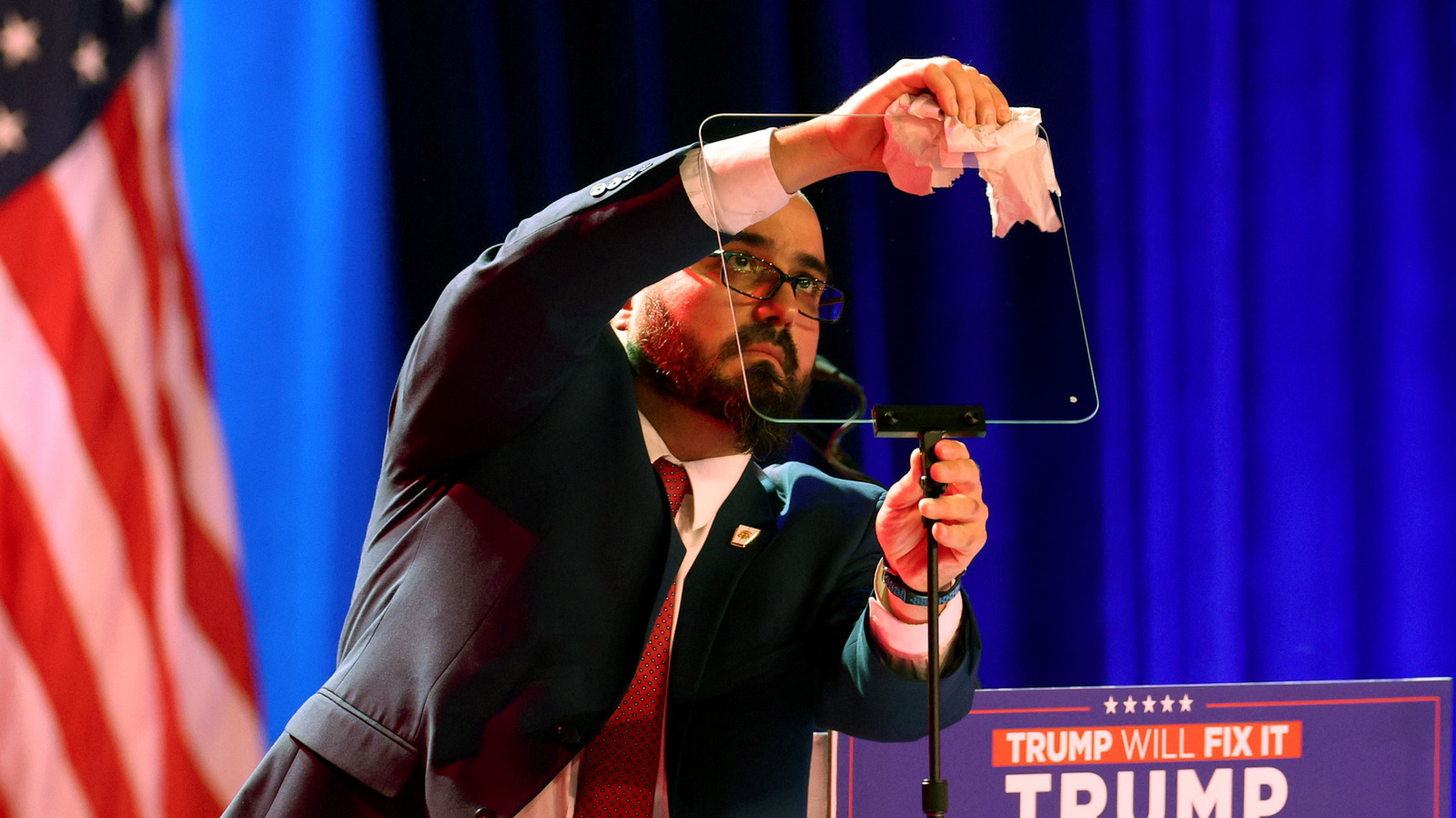
Gabriel Perez, who served as President Donald Trump's teleprompter operator, has been placed on administrative leave after it was discovered he placed bets on dozens of the President's speeches on the platform Kalshi, according to ABC News. Perez allegedly made more than $100,000 betting on the length of Trump's speeches, including the State of the Union address, a speech at the World Economic Forum in January, and remarks at a Medal of Honor ceremony in March.
ABC News noted that Perez typically had the final eyes on nearly all of the president's prepared remarks, which likely made it easier to place informed bets. He also reportedly backed out of certain bets when Trump went off script. Kalshi "promptly flagged and referred" those trades to the Commodity Futures Trading Commission (CFTC), and Perez has already confessed to some of the trades in an interview with investigators.
At a press conference, White House Press Secretary Karoline Leavitt said that the President is aware of Perez's actions and called them "deeply unfortunate" and a "disgrace." Leavitt added that Perez had been put on unpaid administrative leave and will no longer be employed at the White House.
In April 2026, Kalshi introduced new policies to prevent politicians and athletes from betting on their own elections or games. The company later suspended three political candidates from its platform for breaking those rules. Kalshi introduced further restrictions in June, requiring users to disclose where they work before placing certain bets. Attempts to curb insider trading may not have been very effective, and states trying to regulate prediction markets have been blocked. After New Jersey banned Kalshi, a US Circuit Court of Appeals ruled that the state had no right to ban the platform, putting power firmly in the CFTC's hands.