Wireless Charging Wastes More Energy Than Wired Charging – Here's Why
Studies show that wireless charging is 36–40% less efficient than wired charging, leading to significant electricity waste. Experts also highlight potential risks to battery longevity and the environment.
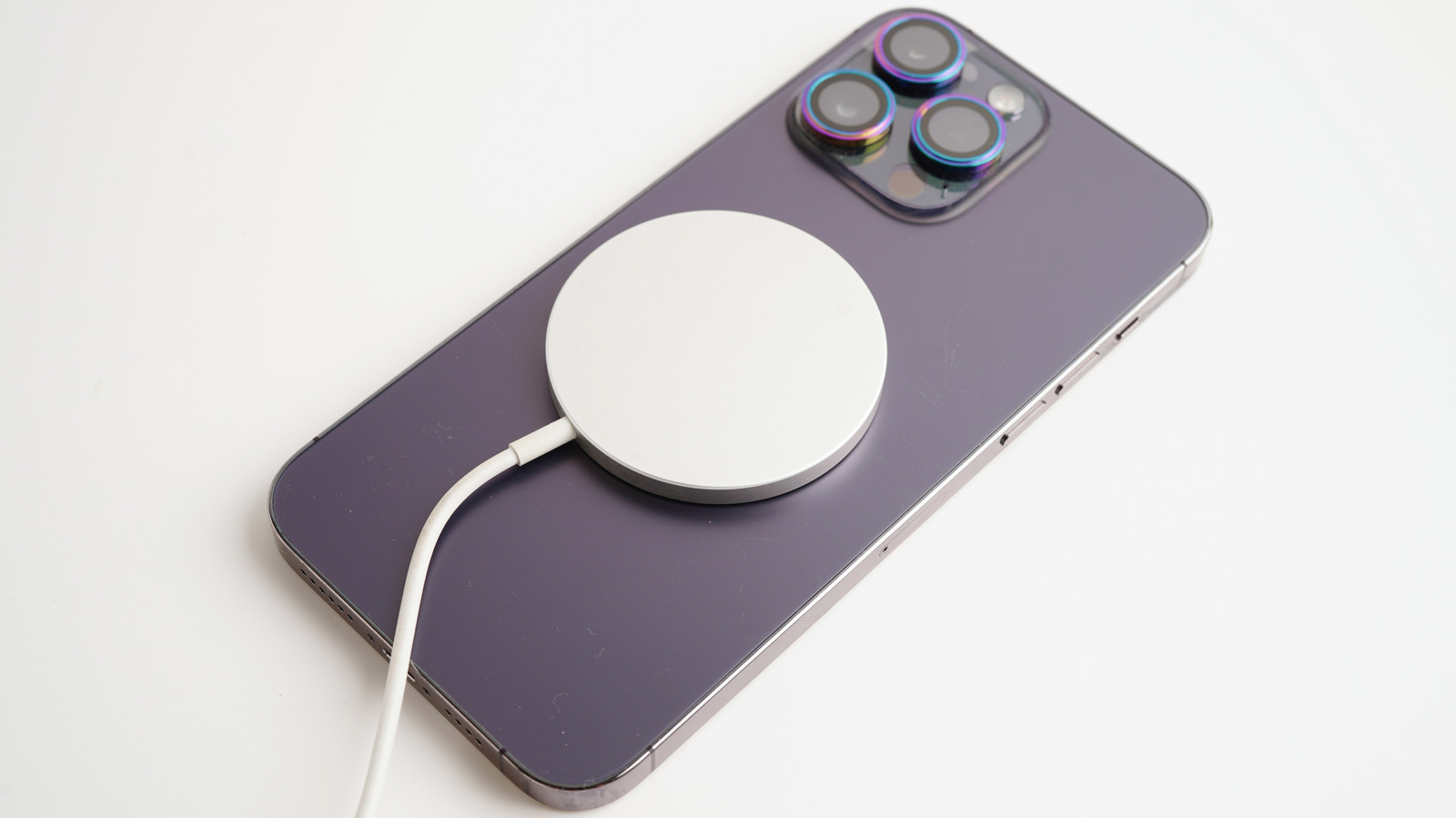
Wireless charging offers convenience, but it consumes considerably more electricity than wired charging. For instance, charging a smartphone from zero to 100 percent with a cable takes about 15 watt-hours (Wh), while wireless charging requires around 21 Wh – a 40% increase, according to a 2020 study. A 2024 test found that Apple's MagSafe charger uses 36% more energy than a wired counterpart, and misalignment on the pad can halve efficiency.
The cumulative energy waste is substantial. Assuming 30% of the 7.6 billion smartphones worldwide are charged wirelessly, the annual additional energy consumption reaches 4,830 gigawatt-hours (GWh) – enough to power hundreds of thousands of homes for a year. These numbers are expected to rise as wireless charging popularity grows.
The inefficiency stems from electromagnetic induction, which is less efficient than a direct wired connection. Energy must travel through multiple stages, and the air gap between device and charger leads to heat loss. Overall, wireless chargers lose 20–30% of energy as heat, on top of the 5–10% losses incurred from converting AC to DC.
Heat also poses risks. It can accelerate battery degradation, though modern phones have safety mechanisms that throttle charging speed when temperatures exceed 45°C. Cheap, unbranded chargers may lack essential safety features like temperature sensors. Furthermore, strong magnetic fields can interfere with medical devices such as pacemakers.
From an environmental perspective, wireless charging is more harmful: it uses more energy, generates more electronic waste, and may lead to faster battery wear, prompting earlier device replacements. While the technology is becoming more efficient thanks to better coil alignment and standards like MagSafe and Qi2, it will likely never match wired charging efficiency.
Wired charging has its downsides too: cables degrade over time, technology changes may require upgrades, and charging ports can wear out. Nevertheless, it remains the more energy-efficient choice compared to wireless alternatives.