Former Soviet-era political prisoner: Latvia still has not annulled his forced psychiatric diagnosis
Pēteris Lazda, a member of the national resistance movement and former Supreme Council deputy, says in an open letter that restored Latvia has still not annulled the schizophrenia diagnosis forcibly imposed on him during the Soviet era. He calls for louder discussion of the suffering endured by political prisoners, echoing a recent appeal by the President.
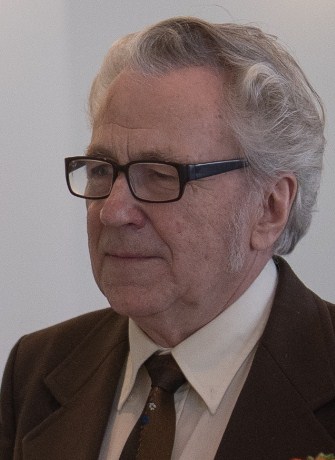
Lawyer and former Latvian Supreme Council deputy Pēteris Lazda has published reflections on the President's call to speak more loudly about the suffering endured by people politically repressed during the Soviet era. He believes this matters because younger generations, who never experienced the horrors of the totalitarian regime, lack the motivation to resist threats to freedom.
Lazda recounts his own experience: in 1969 he was expelled from doctoral studies at the Academy of Sciences for refusing to join the Communist Party. Over the following eight years he secretly prepared tens of thousands of leaflets calling on people to demand Latvia's withdrawal from the USSR. In 1978 he was arrested, psychiatrists diagnosed him with schizophrenia, and he was sent for indefinite forced treatment at a special hospital in Russia.
Diagnosis remains in force
After Latvia restored its independence, Lazda hoped to be freed from the diagnosis, but says it has not been annulled to this day. He notes that some psychiatrists in Latvia today still do not consider the diagnosis unfounded. Lazda argues the state has failed its constitutional duty to protect his honor and dignity, and has never expressed gratitude for his fight against the Soviet regime in the 1970s. He has not received any Latvian state award, while foreign institutions — including organizations in Denmark and Germany — have honored him, and an international panel of psychiatrists in Germany declared him entirely healthy.
He describes in detail how the diagnosis was produced during the Soviet period: following an order from a KGB investigator, a commission of psychiatrists prepared it using a questionnaire he says he never filled out or signed himself. He states that the judge who heard his case acted on KGB instructions, preventing him, as a lawyer, from speaking the truth in court.
Lazda expresses disappointment that he sees Latvia's state administration echoing the arbitrariness of the Soviet totalitarian regime, and calls on society not to forget the injustices committed under Soviet rule, urging that they be discussed openly.