Former politician Panteleyev explains how factions and committees work in the Saeima
Andrejs Panteleyev, a former Supreme Council deputy and head of the Latvian Way faction, explains in an interview how Latvia's parliament works in practice and how independent a deputy really is. The talk took place on 30 October, as the newly elected parliament began work without a coalition.
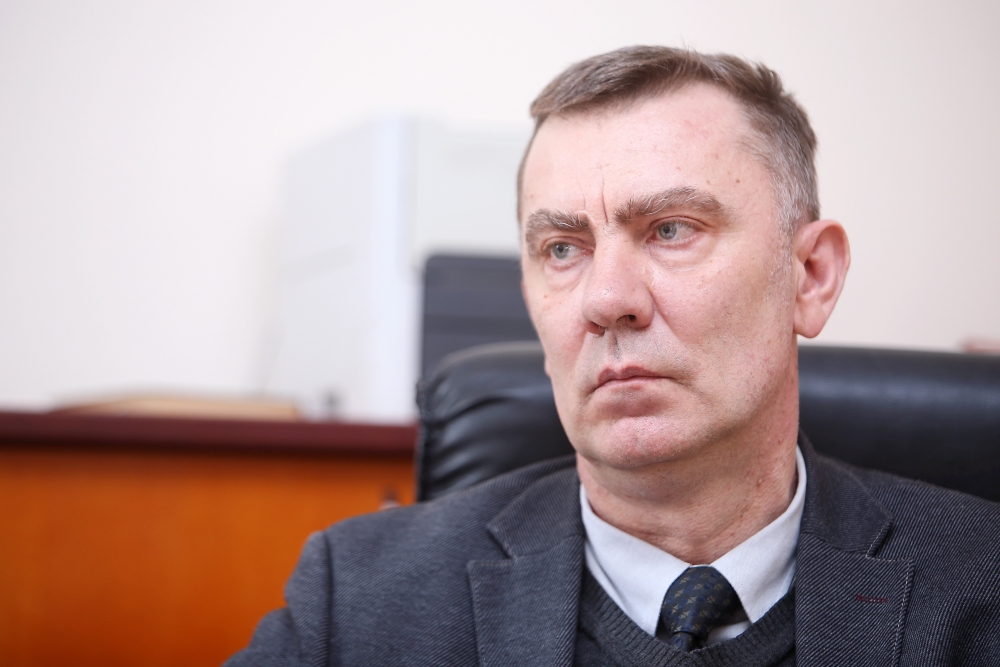
Latvia's newly elected parliament, the Saeima, has started its term without knowing what the governing coalition will be. Against this background, Andrejs Panteleyev, a publicist and teacher of social studies and philosophy at Jūrmala State Gymnasium, describes how the Saeima operates in practice. He was once chair of the board and of the parliamentary faction of the influential party Latvian Way, and as a Supreme Council deputy he voted for the country's independence. The interview was held on 30 October.
The presidium and the coalition
At its first sitting, parliament swears in deputies and confirms their mandates. Because the previous Speaker, Daiga Mieriņa, was not re-elected, the new term had to form its presidium. After the interview, on the evening of 3 November, Edvards Smiltēns was elected Speaker of the 15th Saeima.
Panteleyev notes that by tradition the majority of the presidium represents the governing coalition. Forming the coalition quickly also matters because committee chairmanships and majorities in key committees are divided according to it. He names Andris Kulbergs as the potential prime minister. The United List holds 41 mandates in the new Saeima, while Latvian Way had 36 in the 5th Saeima.
Factions, the coalition council and the deputy
Panteleyev argues that a larger faction gives more ability to control political processes, and that one strong governing party strengthens political accountability. The faction leader's task, he says, is to ensure deputies' discipline. The agenda, however, is set by the coalition council, which is mentioned neither in the Constitution nor in the Saeima's rules of procedure. He considers the Council of Factions, where opposition factions are also represented, largely a formality.
In his view the Speaker is both a coalition politician and the head of parliament, who must follow procedure. Although the Constitution provides for a free representative mandate, a deputy is elected from a party list and therefore cannot be fully sovereign.
New deputies and committees
Two thirds of deputies in the new Saeima are replaced. Panteleyev thinks about a year is needed to settle in, and that a key committee such as the Budget Committee should not be led by an inexperienced deputy. A committee chair sets the pace of sittings and can choose which experts to invite. As criteria of an effective Saeima he names a timely adopted budget and the Saeima itself abiding by its own laws.