Cat found in Bolivian forest, mistaken for a house cat, confirmed as new species
Scientists have officially confirmed a new wild cat species, Leopardus tilcayo, after a house-sized spotted cat found in a Bolivian forest turned out not to be a domestic kitten. The finding suggests there may be more oncilla species than previously believed.
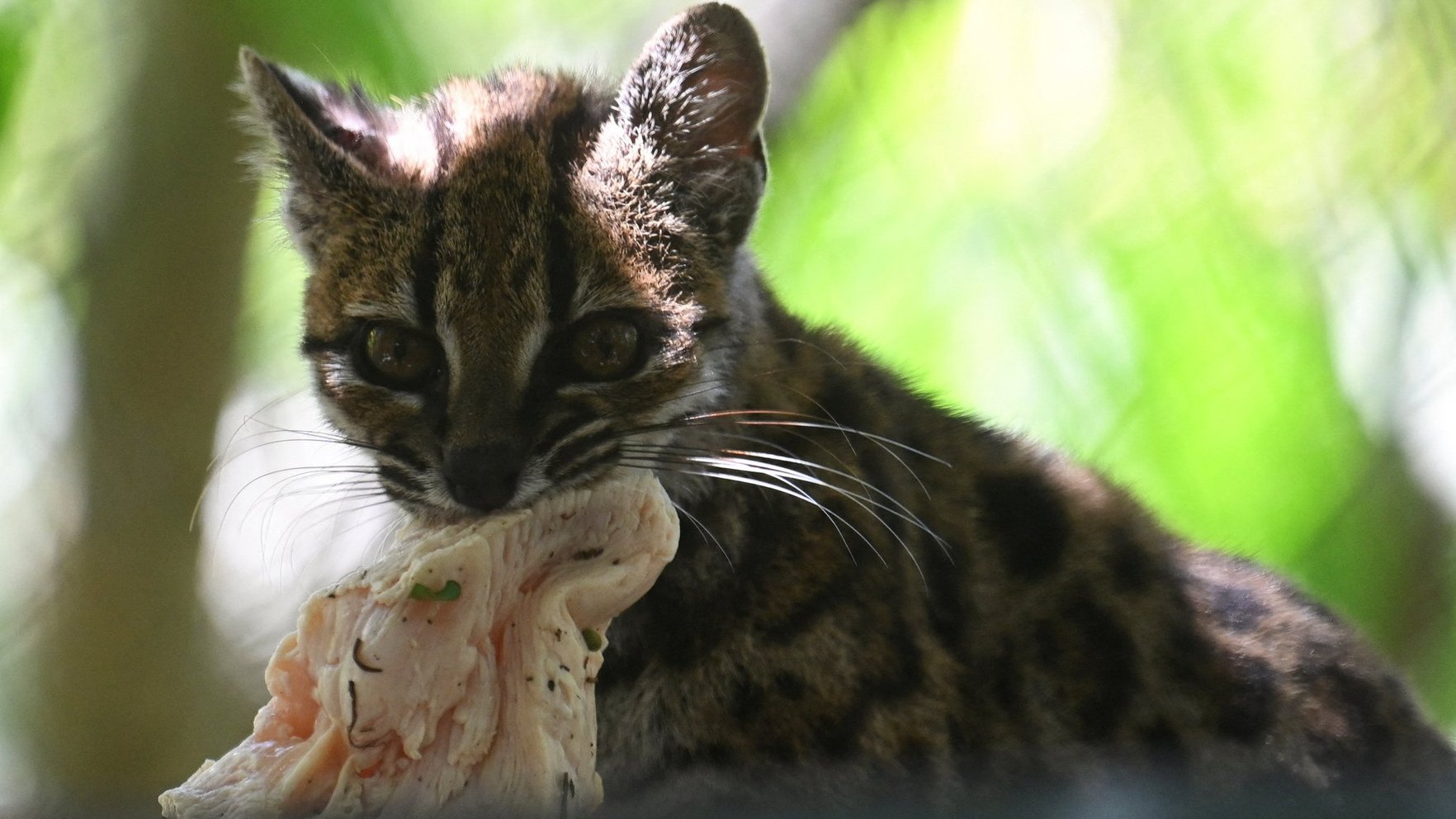
Scientists have officially confirmed a new species of wild cat living in the forests of Bolivia, the BBC reports. The small, spotted animal, roughly the size of a house cat, had long gone unnoticed because its appearance was confused with other oncilla species that share a similar spotted and striped coat pattern.
It started with a cat at a rescue centre
The discovery traces back to a ten-year-old cat named Tigrino, currently living at a wildlife rescue centre in Bolivia. A local resident had found the animal in the forest believing it was a domestic kitten, but as it grew, it became clear it did not behave like a house cat. Bolivian scientist Paola Nogales-Ascarrunza, who was volunteering at the centre at the time, noticed the cat looked unusual and began research together with colleagues from several countries.
DNA analysis confirms a new species
Researchers analysed DNA from both living animals and museum specimens and concluded the cat belongs to a distinct species, named Leopardus tilcayo. Researcher Eduardo Eizirik noted that very little information or photography existed of the animal, and no museum held a specimen, simply because no one had been looking for it.
The study, published in the journal Current Biology, revealed a further surprise: there may be five oncilla species rather than the previously recognised three. Oncillas are small spotted wild cats found from Costa Rica down through South America to Argentina and Bolivia.
Implications for conservation
Only one living representative of the new species is currently known, though scientists believe others exist in the wild. Dr Caroline Sartor of the University of Oxford, a co-author of the study, stressed that identifying a species is a prerequisite for protecting it — an animal cannot be safeguarded if its identity and habitat remain unknown. She added that the discovery shows how much biodiversity remains unstudied. The number of officially recognised cat species, previously 41, is set to rise as a result of the finding.