Price and slow test results held back bluetongue vaccination in Britain
Farming and veterinary representatives told a UK parliamentary committee that expensive vaccines, supply problems and delayed case confirmation limited bluetongue vaccination. The UK has recorded 3,472 BTV-3 cases this season.
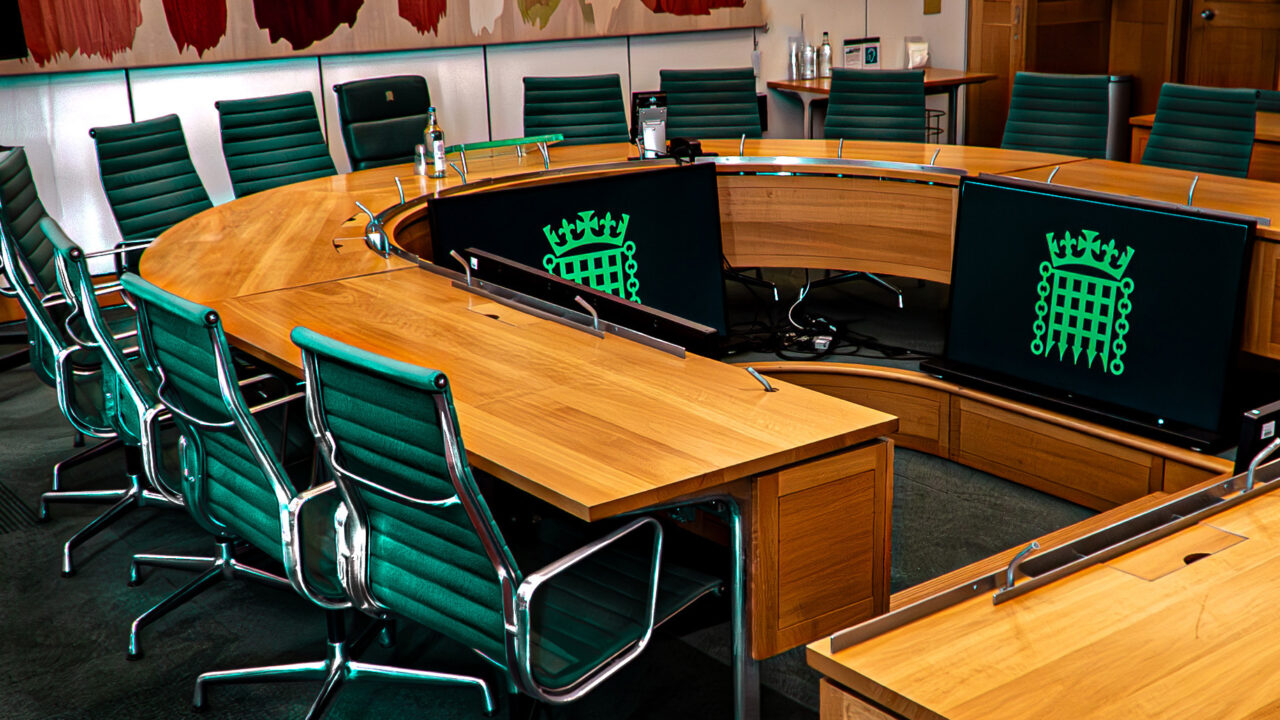
British farmers vaccinated against bluetongue less than they might have because the vaccines were costly and confirmation of cases was slow. This was heard on 3 November at a UK parliamentary Environment, Food and Rural Affairs (EFRA) committee session on the 2026/2027 outbreak, from Catherine McLaughlin, chief animal health and welfare adviser at the National Farmers Union (NFU), and Dr Gwen Rees, president of the British Veterinary Association (BVA). Bluetongue is a viral disease affecting ruminants such as sheep.
Vaccination
Rees said considerable efforts were made before the season to explain why vaccination matters, but the message did not fully get through. In her view, this is partly down to the difficulty of discussing risk amid uncertainty. Price also made the vaccines a hard sell: with extremely tight margins, she said, it is difficult to invest in a "just-in-case".
She added that scepticism has changed. Farmers are no longer worried about safety but question whether the vaccine works. McLaughlin said cost and supply issues still put farmers off, and that clearer communication on the benefits of vaccination is needed.
Delays in data
Rees pointed to a significant lag between cases being reported and samples being submitted, so the case map reflected the situation two to three weeks earlier. This made it hard to convey the risk to high-risk areas, and the scale of the outbreak in the South West was recognised late. Adding suspected cases to the map changed farmers' views and improved communication among vets.
McLaughlin said farmers reported waiting more than three weeks for results, which added to emotional distress. She called for a more streamlined process in future outbreaks.
Case numbers
According to the Department for Environment, Food and Rural Affairs, 3,472 cases of bluetongue serotype 3 (BTV-3) had been recorded in the UK this season as of 30 October: 2,917 in England, 500 in Wales, 55 in Scotland and none in Northern Ireland. No BTV-8 cases have been recorded this season. Rees warned that some effects, including on lambing, will only become visible in spring.