UK regulator softens vet-ownership disclosure rules, sparking threat of legal challenge
Britain's Competition and Markets Authority has watered down proposed wording requiring vet clinics to disclose ownership by large private equity groups, prompting a vets' association to threaten a judicial review over fears pet owners will be misled.
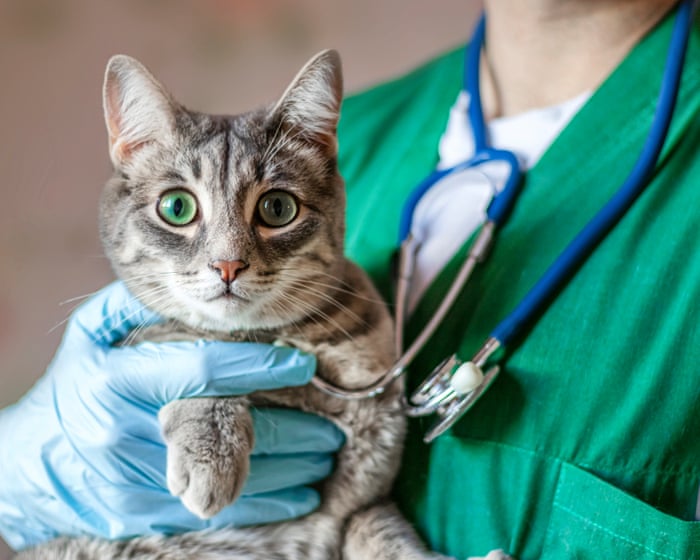
The UK's Competition and Markets Authority (CMA) investigated monopolisation in the veterinary sector and found that a lack of competition and ownership transparency has driven up prices and left customers poorly informed. The probe found pet owners pay 16.6% more on average at large vet groups than at independent practices, and concluded the £6.3bn market needs modernising.
More than 60% of UK vet practices are wholly or partly owned by six groups: CVS, Pets at Home, Medivet, IVC and VetPartners, all backed by private equity investors, plus Linnaeus, whose parent company is Mars Petcare, part of the US confectionery giant Mars.
Wording change sparks dispute
Earlier this summer, the CMA and ministers unveiled new rules, including a proposed £21 cap on pet prescription charges and greater transparency around clinic ownership. But the Progressive Veterinary Association (PVA) is now threatening the CMA with a judicial review, arguing the regulator altered its wording in a way that lets multinational owners obscure who really controls local practices.
The original wording required practices to disclose their ownership by naming the "corporate vet group." That has since been softened to "network or group," allowing companies to use the practice's own brand name or a subsidiary's name instead of identifying the parent conglomerate.
PVA director Dr Iain McGill said the change was bad news for pet owners, since large corporations would be able to hide their control of local practices behind brand names that can be misleading. He noted that, given a choice, pet owners often prefer independent practices, which the CMA found are typically cheaper.
The CMA has responded that disclosing the names of ultimate parent companies may offer little practical benefit, since such corporate names are often unrecognisable, whereas pet owners are more familiar with high-street brand names. A CMA spokesperson said all practices will in future be required to make their brand and ownership links clear on signage and online, so people no longer mistake a corporately owned clinic for a local independent one. The regulator said its proposals were backed by both large and small vet practices as well as consumer groups, and it is now working out how to implement the changes in practice.
/nginx/o/2026/08/30/17885245t1h80bc.jpg)