Knee Osteoarthritis Isn't Inevitable — Steps You Can Take
Doctors say knee osteoarthritis, which affects millions, isn't an unavoidable fate — lifestyle changes can ease pain and slow its progression. Regular exercise, healthy diet and weight control can meaningfully lower risk even for those with a family history.
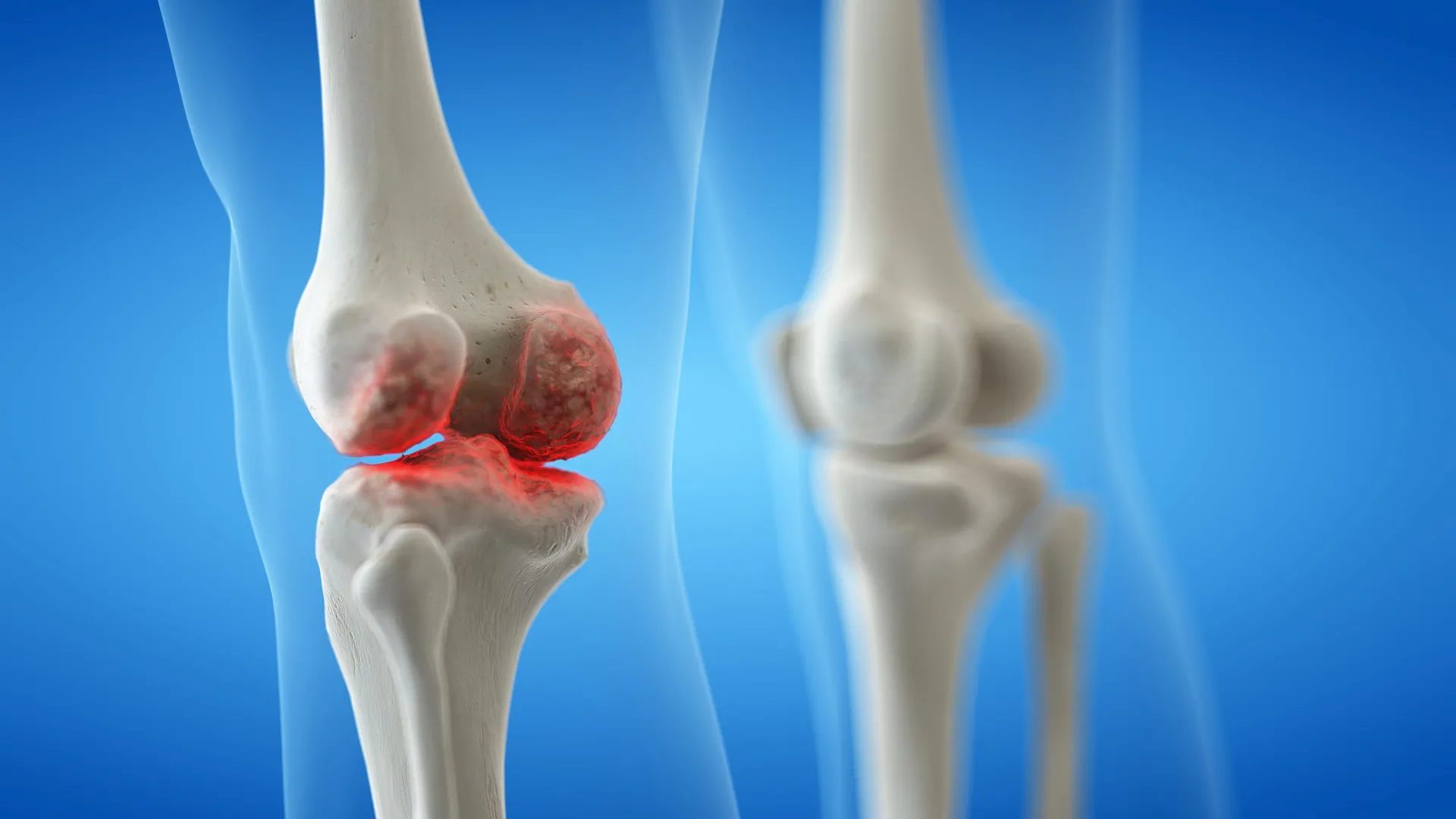
Knee pain is a common complaint, especially with age, and osteoarthritis is among its most frequent causes. The condition develops as the cartilage cushioning the knee joint gradually wears down, leading to pain, stiffness and mobility problems that can worsen over time.
Dr. Abby Cheng, an orthopedic surgeon and physiatrist at Washington University School of Medicine in St. Louis, explains that osteoarthritis affects more than just the joint itself — it can impact activity levels, fall risk, mood and overall quality of life.
A Broader Health Impact
More than 30 million adults in the U.S. have some form of osteoarthritis, with the knee being the most commonly affected joint. Roughly half of cases occur in people still of working age. Mobility difficulties can lead to missed work and lost income, and can discourage physical activity, raising the risk of heart disease, cancer and diabetes. Risk factors include weak thigh muscles, being overweight or obese, being female, older age, prior knee injury and a family history of the condition.
Easing Pain and Lowering Risk
Cheng notes that eating more plant-based foods while cutting back on processed and sugary items reduces inflammation in the body. Other common treatments include strengthening thigh muscles, using knee braces, taking anti-inflammatory medications, receiving injections, and, in some cases, knee replacement surgery.
Even small changes can have a big effect — Cheng points out that a person who is overweight losing 10 pounds reduces the stress on their knees by 40 pounds with every step.
Contrary to common belief, regular physical activity, including running, does not damage the knees and may help lower osteoarthritis risk. A healthy diet rich in whole grains, fruits and vegetables can also help protect the joints.
Cheng adds that even when osteoarthritis runs in a family, that doesn't mean there's nothing a person can do to reduce their own risk.