Road traffic noise may increase risk of Parkinson's disease, study finds
Long-term exposure to road traffic noise is associated with a higher risk of Parkinson's disease, according to the largest study of its kind involving 3.1 million participants.
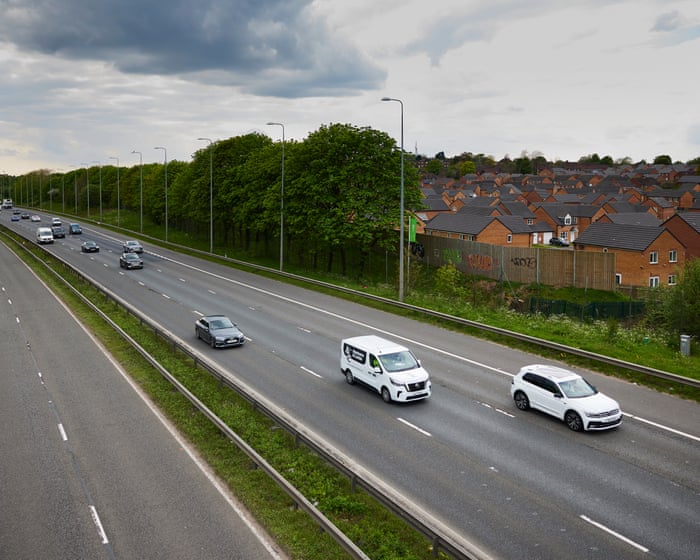
Long-term road traffic noise and Parkinson's disease risk
A new study published in JAMA Neurology has found that prolonged exposure to road traffic noise is linked to an increased risk of developing Parkinson's disease. The study, the largest of its kind, included 3.1 million Danish residents aged 40 and over, who were followed for 18 years using nationwide health register data.
Researchers modelled noise levels at the most and least exposed facades of each participant's home and calculated the difference. The results showed that at the most exposed facade, for every 11.5-decibel increase in noise level, the risk of Parkinson's disease rose by 3% over the study period. However, having a quiet part of the home may mitigate this association.
Although the researchers accounted for air pollution, they lacked data on participants' lifestyles. Nevertheless, they argue that lifestyle factors are unlikely to change the findings, as the association between noise and Parkinson's was consistent regardless of education and income.
Study author Thomas Münzel stated that these findings should move noise from a speculative to a credible risk factor for Parkinson's disease. However, other experts, such as Anna Hansell from the University of Leicester, noted that noise is more likely a general stressor rather than a specific environmental risk factor, and the study design does not prove causation.
Dr. Peter Chan from the University of Oxford commented that the findings are not unexpected and highlight that noise at home is not uniform, allowing people to mitigate exposure by moving to different rooms. John Stewart, chair of the UK Noise Association, urged governments and local authorities to focus on reducing noise from major roads.
Chronic noise exposure exceeding World Health Organization thresholds affects nearly one-third of Europeans.


/nginx/o/2026/10/01/17948710t1h4397.jpg)