How Much RAM a Raspberry Pi Really Needs
An Engadget guide argues that most Raspberry Pi projects need only 1GB or 2GB of memory. The pricey 8GB and 16GB models are hard to justify at current prices.
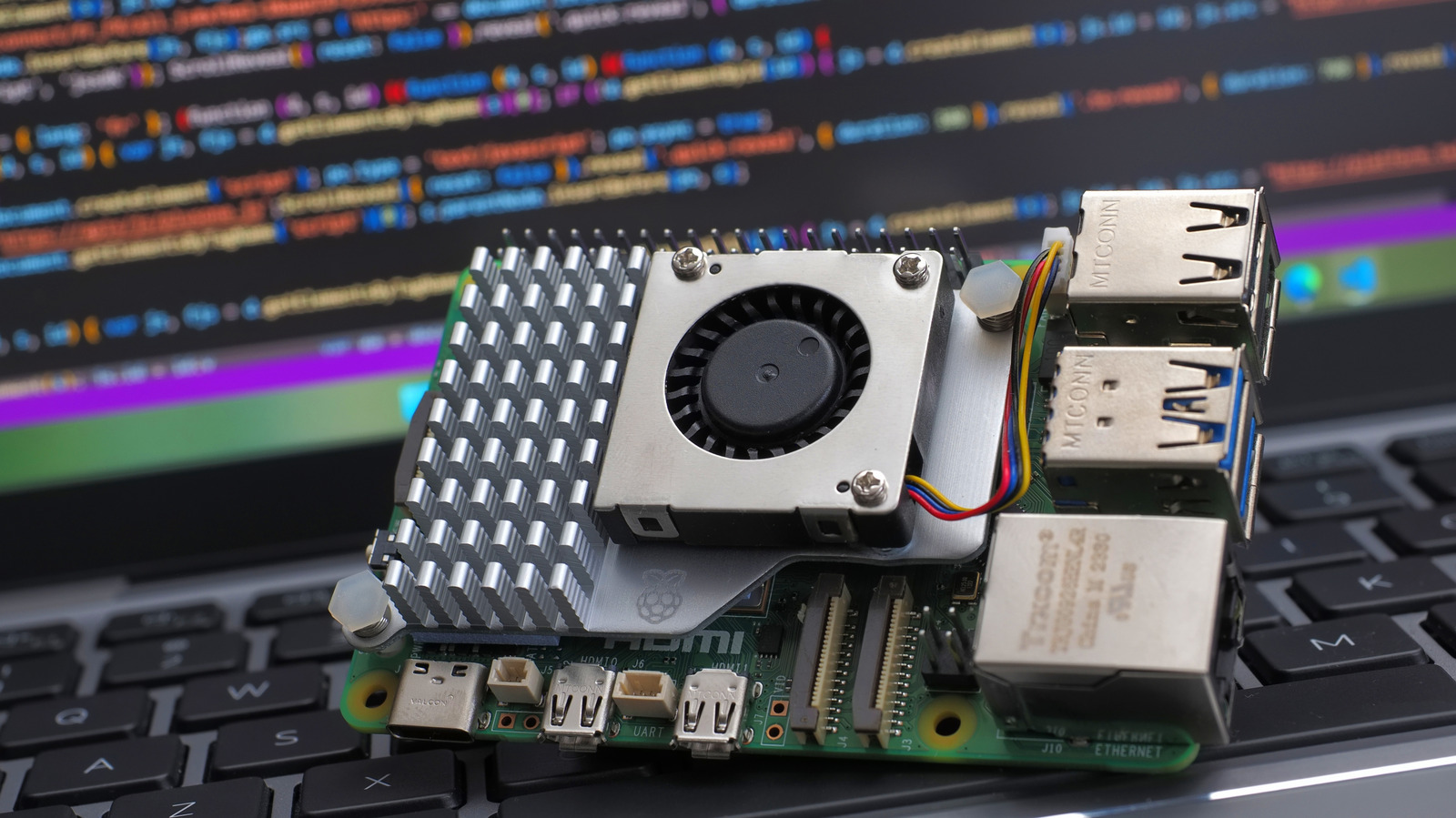
The Raspberry Pi 5, a popular single-board computer, comes in five versions with RAM ranging from 1GB to 16GB. Tech site Engadget concludes in a buyer's guide that many users need far less than they might expect. The choice matters because the memory cannot be upgraded after purchase.
A light operating system
Unlike Windows and macOS, which tend to use whatever memory is available, the Linux-based Raspberry Pi OS consumes only a few hundred megabytes. Still, 1GB is not enough in every scenario: a web browser or word processor fills it quickly, and three or four media-heavy Firefox tabs can force the board to swap data to storage, which slows it down.
For desktop use with a display, the author recommends at least 2GB so that several programs or tabs can run at once. Each step up in memory, however, moves the price further from the $45 base Pi 5; the 4GB model costs $110 with no other hardware improvements.
Headless use needs only 1GB
Many people use a Raspberry Pi as a media server, network-attached storage, a smart home hub or a security system with the official camera add-on. These projects need no connected display, known as headless operation, so the 1GB model is fully usable and one of the cheapest ways into the hobby.
The expensive models
The author advises against paying extra for the 8GB or 16GB versions unless a project requires the compact form factor, such as a battery-powered robot. They cost $175 and $305 respectively, whereas the 8GB model cost $80 when it launched in 2023. The company raised prices across its range in 2025 because of the ongoing RAM shortage.
Mini PCs with 8GB of RAM can be found for under $200, with more powerful processors, onboard storage and extra ports. The author also points to refurbished business-grade mini PCs such as the Lenovo ThinkCentre and HP EliteDesk, which he says far outperform the Pi 5. Their downside is higher power consumption, though the difference amounts to only a few dollars a year.
For occasional projects that do not involve a media server, the author suggests choosing the 1GB or 2GB model.