What Drains an EV Battery Fastest: Speed, Weight, Weather and Air Conditioning
An electric vehicle's range depends on driving speed, weather, cargo weight and climate control use. A few simple habits can reduce energy consumption.
Electric-vehicle ranges are rising, but real-world distance between charges still varies considerably with driving conditions. According to Recurrent, a US electric-vehicle watchdog, the average real-world range of 2026 models reached 325 miles (about 523 km), though the market's shift toward less efficient SUVs and trucks partly offsets that gain.
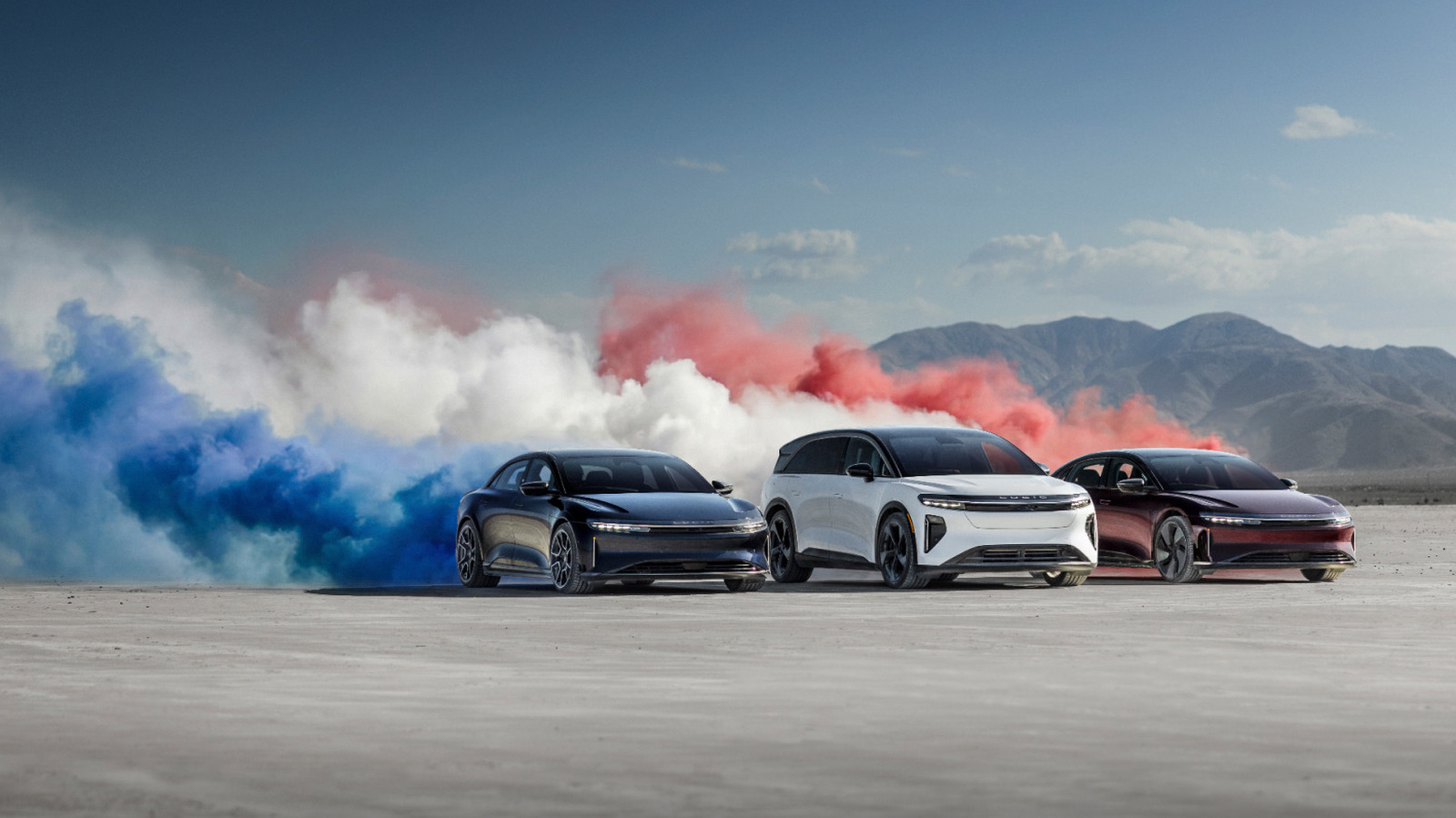
The source notes that some models, such as the Lucid Air, Chevrolet Silverado EV and BMW i3, can travel more than 400 miles per charge. Charging has also become faster: many drivers can add 100 miles of range in under 10 minutes, thanks to 800-volt architectures, improved thermal management and flat charging curves.
What uses the most energy
Unlike gasoline cars, EVs deplete their batteries faster on the highway than in stop-and-go traffic. Higher speeds demand more energy, especially during sharp acceleration. Aerodynamic drag and tire friction also increase, and the car gains nothing from regenerative braking, which feeds braking energy back into the battery and can extend range by as much as 20%.
Air conditioning and heating can also cut range, costing several miles per hour. The effect of navigation, infotainment and USB devices is minimal.
A 2025 Recurrent study found that range can fall by nearly a third in below-freezing temperatures, with large differences between manufacturers. At around 100 degrees Fahrenheit (about 38°C), range dips roughly 18%. Cargo and passenger weight also reduce range.
How to preserve range
Removing unnecessary heavy items from the trunk and using climate control more moderately can help. If a comfortable cabin is a priority, it can be heated or cooled while the car is still plugged in.
Driving style matters most. According to GridServe, driving 60 mph instead of 70 can save roughly six miles of range per hour. Accelerating gradually, avoiding boost functions and making use of regenerative braking also help.
Several manufacturers, including Chevrolet, Hyundai and Mercedes-Benz, let drivers monitor energy consumption in the infotainment system or a phone app.