Citadele: Renewable Energy Gives the Baltic States an Edge Over Western Europe
Rūta Ežerskiene, CEO of Citadele bank, says wind and solar development is helping the Baltic states reduce reliance on imported energy. In the third quarter of this year, Latvia's wholesale electricity price was roughly a third lower than Germany's.
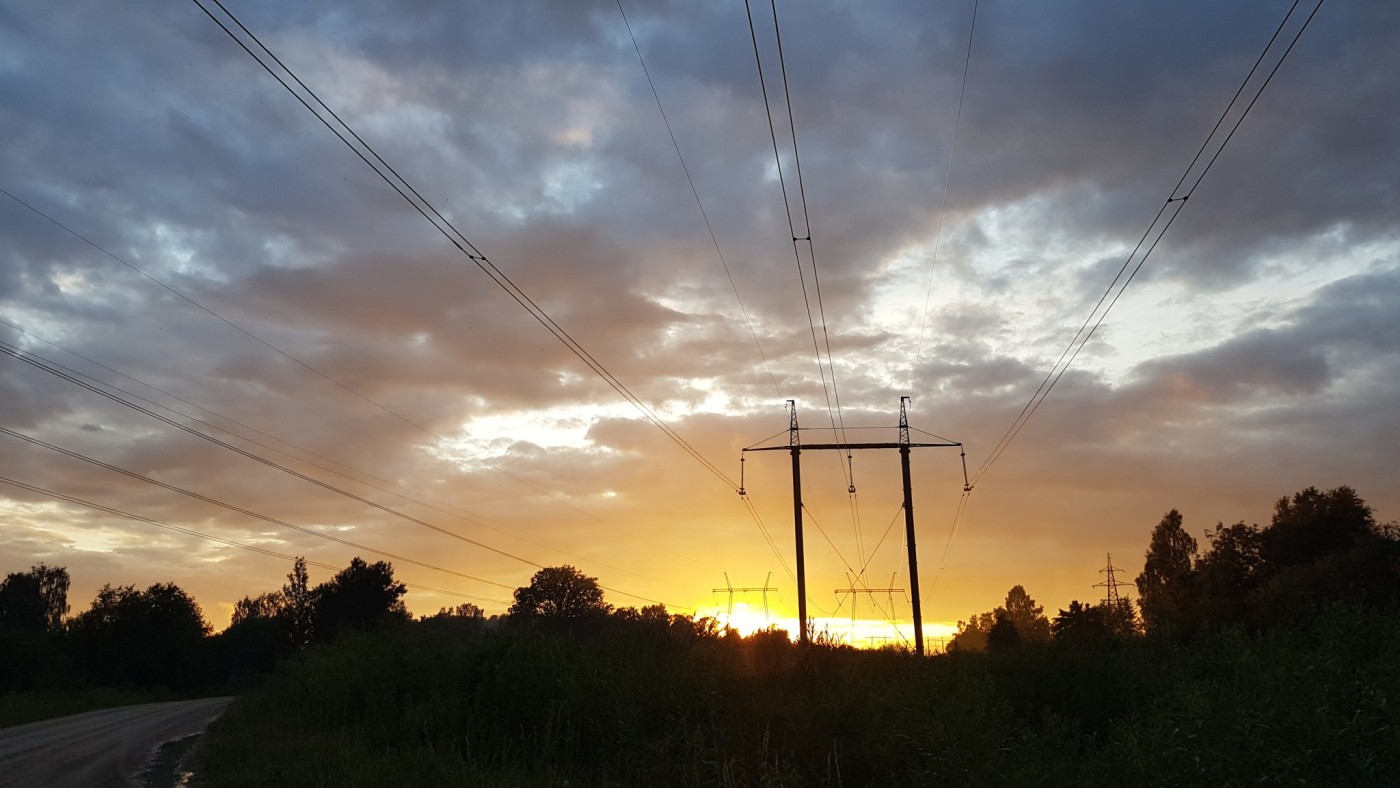
The growth of renewable energy gives Latvia, Lithuania and Estonia a competitive advantage over the largest Western European economies and helps reduce dependence on imported energy resources, according to Rūta Ežerskiene, CEO and chair of the management board of Citadele bank. She says that in the third quarter of this year the wholesale electricity price in Latvia was about one-third lower than in Germany.
A changed role for renewables
Ežerskiene explains that a decade ago wind and solar capacity was built mainly to meet climate targets. Now it also helps shield the economy from imported inflation and strengthens energy security. She notes that the war in the Middle East has again highlighted how geopolitical shocks affect energy prices: about a fifth of the oil traded worldwide passes through the Strait of Hormuz, so tension in the region quickly shows up in oil prices. In spring, Brent crude reached 115 US dollars a barrel; in July, as fighting resumed, it again rose above 100 dollars; in September it approached 110 dollars, and it now stands around 100 dollars.
Lower vulnerability
Since 2022 all three Baltic states have fully stopped importing Russian gas, oil and electricity, and in 2025 the synchronisation of their power systems with continental Europe was completed. Even so, integration into the European market does not fully protect against global price swings, so local generation capacity matters.
According to preliminary data from Eurostat, the EU's statistics office, renewables supplied 46.3% of gross final energy consumption in Latvia in 2025, 42.3% in Estonia and 38.5% in Lithuania. The EU average was 26.2%. Lithuania made the fastest progress, with its renewable share rising by more than three percentage points in a year.
Price gap
Ežerskiene says that on the Nord Pool power exchange the average wholesale price in the third quarter was about 59 euros per megawatt-hour in Estonia and 88 euros in Latvia and Lithuania. In Germany, the Netherlands, Belgium, Poland and Austria it exceeded 125 euros. In her view, this could mean lower bills for households and lower costs for businesses, but further investment in grids, energy storage and interconnections is still needed.