COVID-19 lockdowns in 2020 cut global fire activity by 12.3 percent
A study led by a Chinese Academy of Sciences researcher found that regions under mobility restrictions in early 2020 recorded 12.3 percent fewer active fires than in prior years. In some places, including Colombia and Honduras, fires increased.
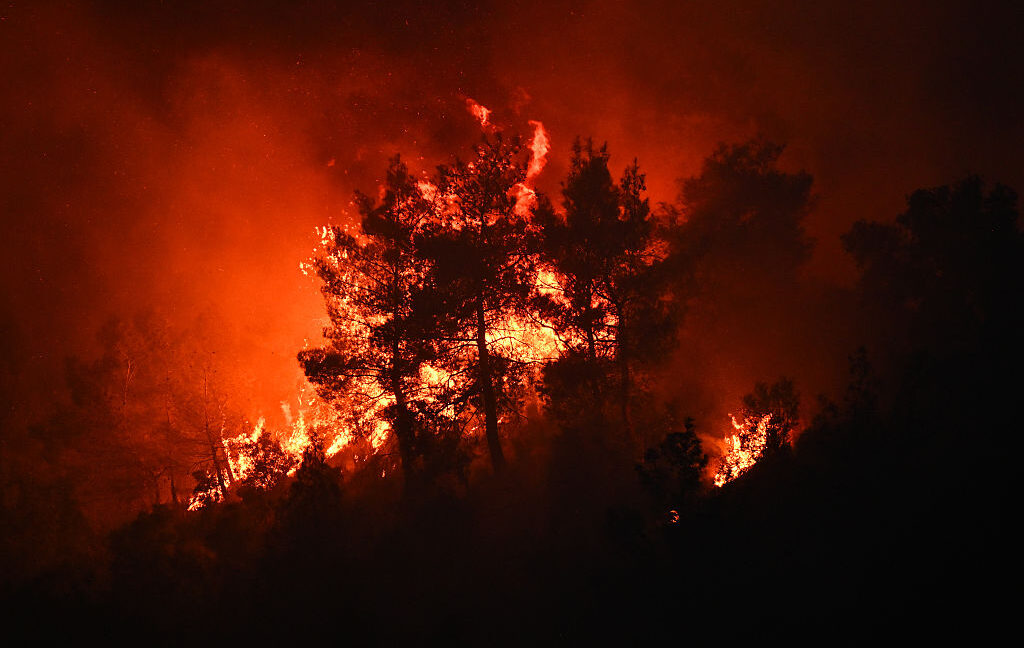
Areas under COVID-19 mobility restrictions in the first half of 2020 recorded about 12.3 percent fewer active-fire detections than the 2013–2019 average. The finding comes from a study published in Cell Reports Sustainability by a team led by Jianghao Wang, a professor at the Chinese Academy of Sciences. The results help clarify how human activity affects wildfires, an influence that is hard to separate from the weather.
A natural experiment
The researchers treated the pandemic as a "natural experiment": human mobility fell abruptly and on a large scale, while weather did not change in the same way. Restriction periods were defined using regional lockdown orders and mobile phone location data. Fires were tracked with the VIIRS sensor on the Suomi NPP satellite, operated with NASA and the US National Oceanic and Atmospheric Administration, which detects heat at 375-meter resolution. It cannot tell wildfires from prescribed burns.
Fires in forests fell by about 27.7 percent and in grasslands by 8.4 percent. Shrublands, savannas and croplands showed little difference. Without adjusting for weather, the drop was only 5.8 percent and not statistically significant. Wang stresses that 12.3 percent is a net effect, not the share of fires caused by humans, because fewer ignitions and weaker suppression partly cancel each other out.
Not every region saw fewer fires
Fires increased in much of South America, southern Africa and northeast Asia, including 31.4 percent in Colombia, 25.4 percent in India and 70.7 percent in Honduras. The researchers infer that reduced fire suppression capacity played a role, but Wang acknowledged this is an inference rather than a direct observation.
The study has limits. Mobile phone data may miss activity in rural areas, and only the first half of each year was analyzed, so regions with fires later in the year, such as the western US, may be under-represented.
Wang said the study does not evaluate fire policy, but a uniform approach is unlikely to work. Where fires fell, public education and beneficial prescribed burning may matter; where they rose, maintaining monitoring and firefighting capacity may be more important.