CRISPR Technology Makes Prostate Cancer Vulnerable to Immunotherapy
Researchers have developed a novel CRISPR-based approach that restores immunotherapy effectiveness against prostate cancer by making tumors 'immune hot'. The method works by lengthening shortened mRNA molecules that reduce immune recognition signals.
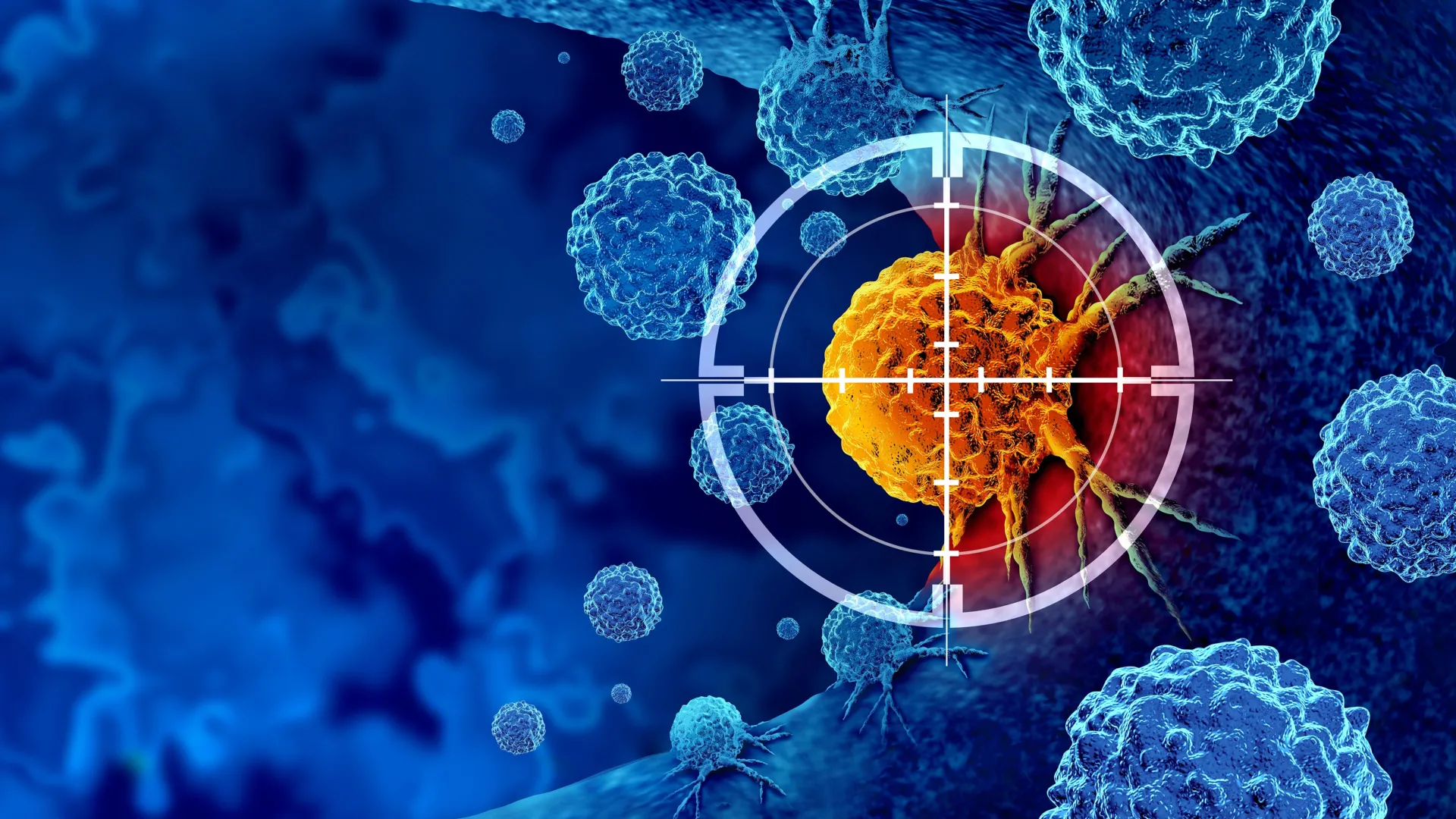
Scientists from Duke University School of Medicine and the University of Rochester have created a new therapy that could transform prostate cancer treatment by making it far more susceptible to immunotherapy. Prostate cancer is notoriously ‘immune cold’ – tumors contain very few T cells, rendering immunotherapy largely ineffective.
The researchers discovered that prostate cancer cells undergo specific mRNA shortening, leading to increased production of the SPSB1 protein. This protein degrades the MHC-1 complex, a molecular signal that helps T cells recognize cancer cells. Without MHC-1, immunotherapy cannot attract immune cells to the tumor.
Using the CRISPR Cas13 system, which operates at the RNA level, the researchers forced the shortened mRNA to regain its normal length. Instead of cutting DNA or RNA, the system was engineered to bind to a specific section of the mRNA, preventing cells from shortening it. This reduced SPSB1 protein levels, restored the MHC-1 complex, and made immunotherapy significantly more effective.
The study, published in Nature Biomedical Engineering, was conducted in mice and showed remarkable results – more immune cells infiltrated tumors and destroyed cancer cells. No off-target effects were detected.
“No one has ever done this before. It’s an excellent preclinical model showing that mRNAs can be forced to re-lengthen and when they do, there’s therapeutic benefit,” said Eric J. Wagner, PhD, co-author of the study.
The team now plans to test the technology in other ‘immune cold’ cancers, including pancreatic cancer, which also responds poorly to immunotherapy. The research was funded by the National Cancer Institute.