Dartmouth Provost Schnell Resigns Amid Controversy Over His Own AI Use
Dartmouth's provost, Schnell, has resigned. Ars Technica links the exit to his own use of AI, even though the school's president favors more AI on campus.
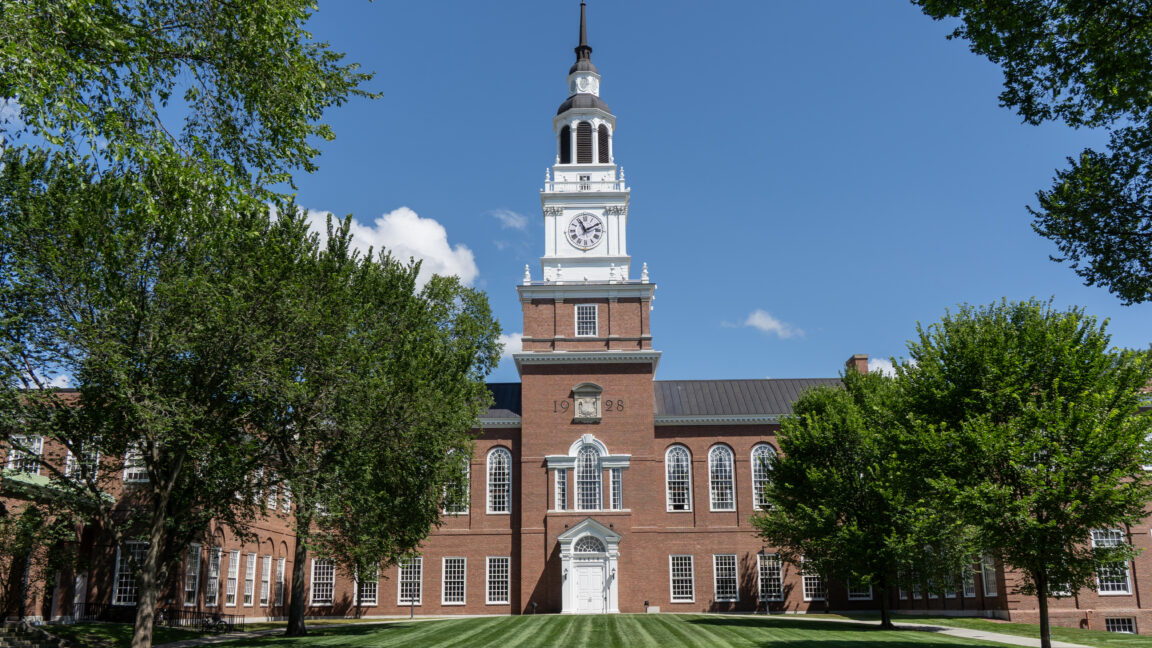
Schnell, the provost of Dartmouth, has resigned. Ars Technica reports that his own use of artificial intelligence (AI) cost him his job, even though he had warned about AI being used for cheating. The case matters because it shows how university leaders are trying to define where acceptable AI use ends and where disclosure obligations begin.
The president's position
Dartmouth President Sian Leah Beilock still wants more AI at the school. In September she published an essay in The Atlantic titled "Why I Want More AI at Dartmouth." She says the school's leaders should hold themselves to the highest standards, which appears to come down mainly to disclosure. Announcing Schnell's resignation, she wrote that leaders must model the transparency and human judgment they expect from students and scholars.
Schnell's paper on AI detection
In September 2026 Schnell published a paper on AI-text detection tools called "Who Wrote This?" In it he argues that the split between "human-written" and "AI-written" is far too simple. In his view, everything will become a mix of human judgment and AI work, and that is not a problem. What matters, he says, is that the human author takes full responsibility for the text.
The paper also describes how it was produced. OpenAI's GPT-5.6 Pro helped frame the question, suggested structures and titles, identified literature and generated parts of early drafts. Schnell says he chose the problem, journal and audience, checked the cited sources, corrected errors and rewrote most sections. He occasionally used GPT-5.6 Sol for language editing, and before submission he asked GPT-5.6 Pro and Anthropic's Claude Fable 5.1 to critique the manuscript.
He rejects calling AI a "co-author." In his words, contribution and authorship are different roles, and mathematical tools have long made substantive contributions without becoming authors.