With help from data, art museums are reframing the visitor experience
Museums are increasingly using data to enhance visitor experience, from exhibit layout to personalized recommendations. A study at the Van Gogh Museum in Amsterdam shows how digital guide data can help optimize museum layout and increase visitor engagement.
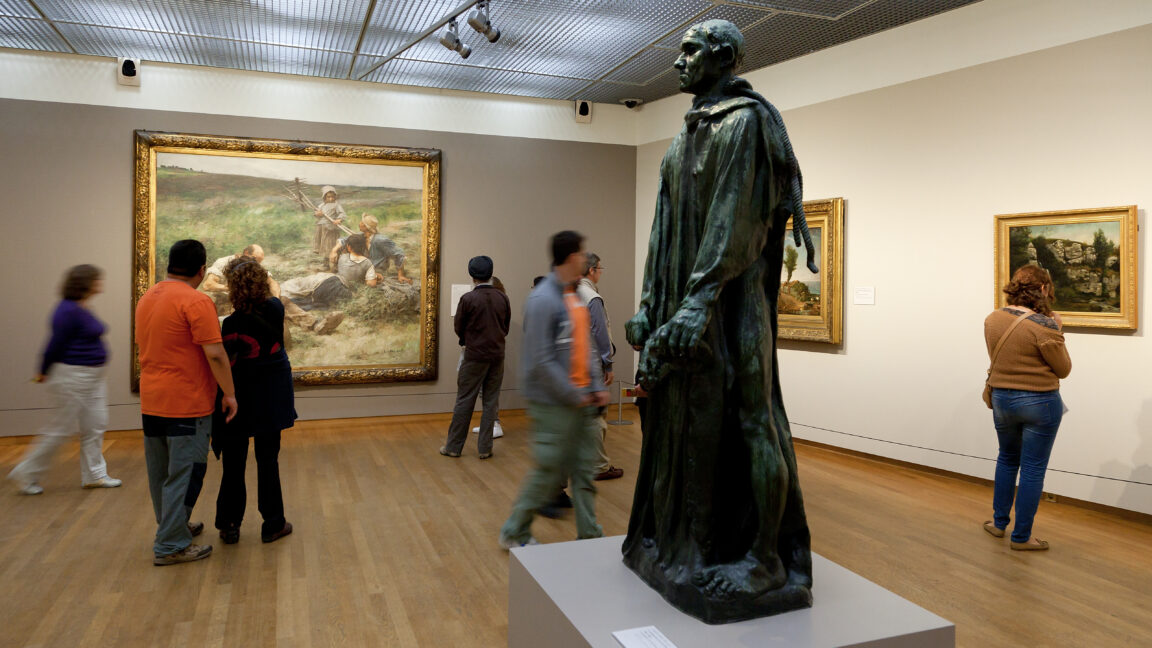
Art museums are evolving from traditional "ivory towers" into more open, participatory spaces. Data plays a growing role in this transformation. Researchers from MIT, Georgia Tech, and the University of Navarra, in collaboration with the Van Gogh Museum in Amsterdam, developed a model that analyzes visitor movement using data from digital multimedia guides.
The study, published in the journal "Management Science," used data from 25,000 randomly selected visits between 2019 and 2021. The model, called "pathway MNL," predicts visitor transitions between artworks with 63% accuracy and can estimate the likelihood of a visitor viewing a specific piece (81% accuracy) or leaving the exhibition (96% accuracy).
Results show that visitors respond to both the physical location of works and their placement on digital guides. Surprisingly, congestion can increase engagement—people are more likely to view works they might otherwise overlook, and crowding around a painting can serve as a signal of quality. Researchers also found that under time pressure, visitors prioritize masterpieces.
While museums rarely use digital guide data for decision-making, the situation is changing as digital teams grow and external collaborations increase. The Van Gogh Museum has already launched a new multimedia guide redesigned based on the study's insights.
However, experts caution that personalized recommendations should not be limited to what visitors already like. Museums have a "duty to expose" visitors to diverse works, including those that challenge or are not immediately appealing. Otherwise, there is a risk of reinforcing the existing canon.


