Fuel prices become flashpoint in France's presidential race
Record-high fuel prices in France have sparked public anger and protests, turning energy costs into a major issue ahead of next year's presidential election.
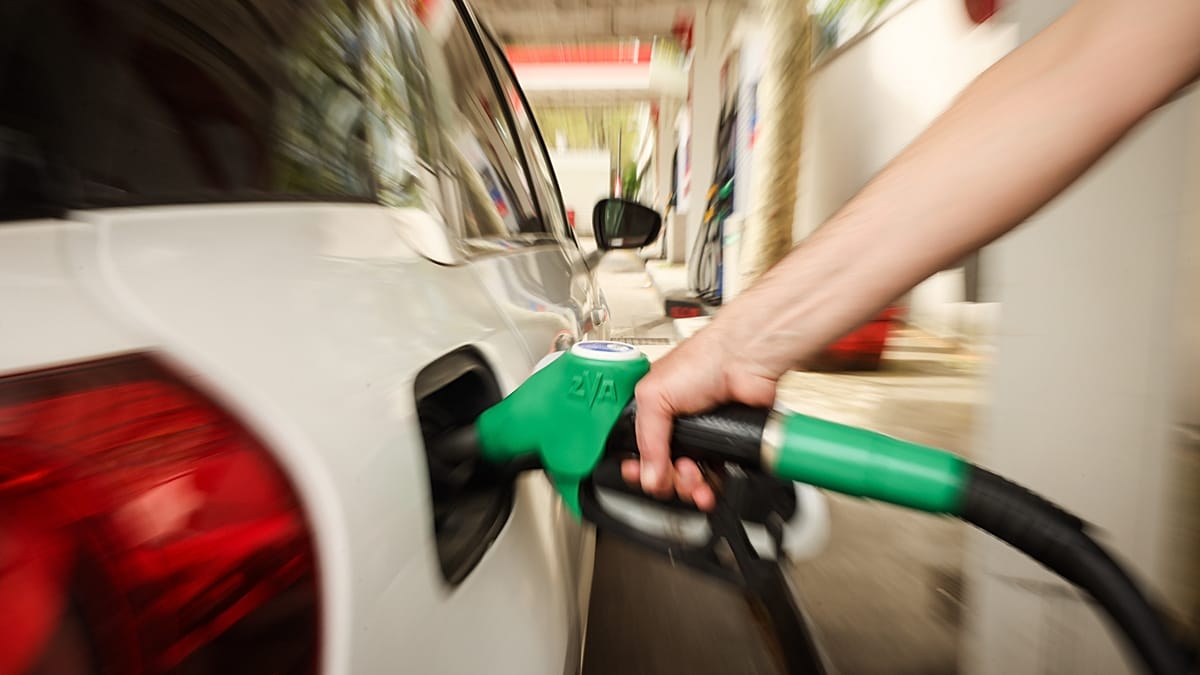
With seven months remaining before France's presidential election, fuel prices have become a heated political issue. A global supply shock, triggered by the Middle East conflict and the closure of the Strait of Hormuz, has pushed costs sharply higher and fuelled public frustration. Fishermen have blocked oil depots and port entrances in southern France, while farmers nationwide have staged protests over rising fuel costs.
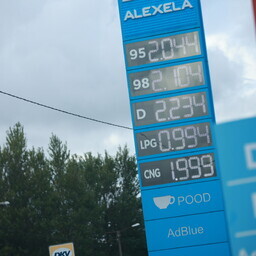
Diesel prices hit a new record of €2.41 per litre on Sunday. Petrol prices have also surpassed their 2022 peaks, with the widely used SP95-E10 blend rising above €2.17 per litre and SP98 averaging over €2.28.
In response, the government announced on Tuesday an expansion of targeted relief measures for the households hit hardest, costing €450 million and bringing total fuel-relief spending to €1.4 billion. This comes as France's budget deficit is projected to hit 5.4% of GDP this year — among the worst in the EU — with public debt nearing 120% of GDP. The government has also proposed a fuel "golden rule" for its 2027 budget, redirecting any extra tax revenue from higher fuel prices back to consumer support measures.
Why fuel costs so much
Economist Anna Creti of Paris Dauphine University notes that France's fuel taxes are higher than in many other European countries, generating significant state revenue but also adding heavily to pump prices. Since March, the government has relied on targeted subsidies rather than broad tax cuts, a stance economy minister Roland Lescure confirmed would remain unchanged.
Creti says the biggest profit margins lie in refining rather than distribution, and that the market remains subject to significant government oversight. France's large diesel fleet leaves it especially exposed to supply shocks, since diesel depends more heavily on imports than petrol.
Candidates' proposals
Political scientist Diane Bollet says the 2018 "gilets jaunes" protests forced politicians to take a clear stance on fuel costs. Marine Le Pen's National Rally is pledging to cut VAT on fuel from 20% to 5.5%, though this would conflict with EU rules. Jean-Luc Mélenchon proposes capping prices at €1.70 per litre for petrol and €1.80 for diesel. Other candidates, including Gabriel Attal and Édouard Philippe, back the government's current approach, while Raphaël Glucksmann emphasises reducing dependence on fossil fuels.