South African winemakers cut pesticide use and embrace conservation
Interviews by US researchers show South African wine producers increasingly using nature-friendly methods to lower costs and make their farms more resilient to drought and disease.
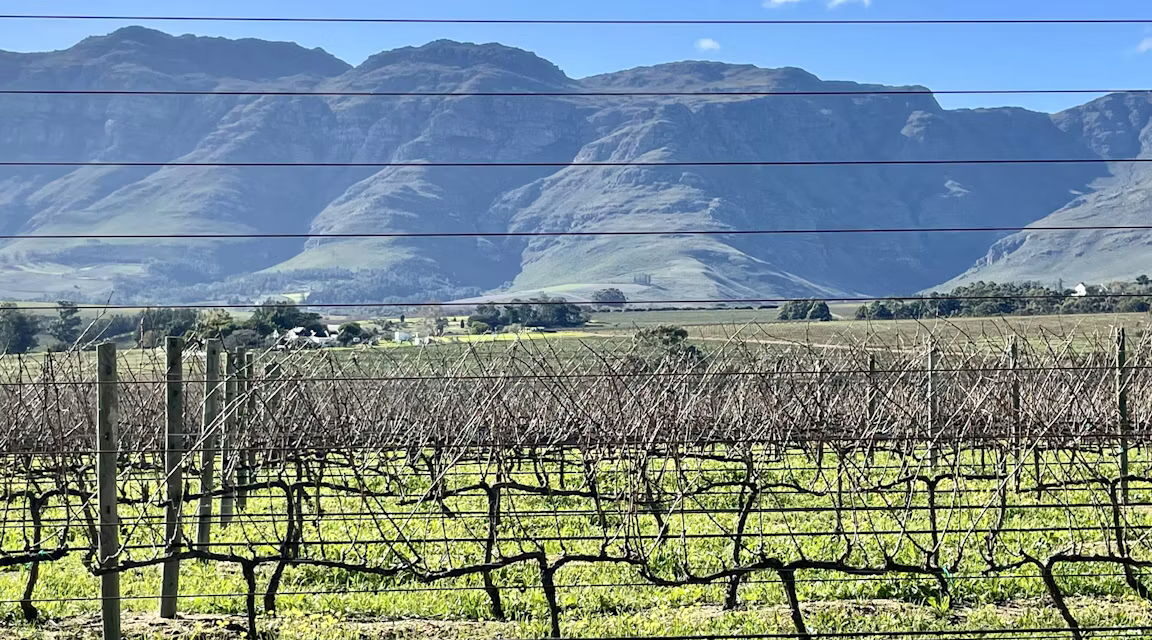
Winemakers in South Africa are turning more often to conservation practices because these help cut chemical costs and make their farms more resilient. That is the finding of US university researchers in geography and sustainability who interviewed growers in the country. The results were published by The Conversation and republished by the science outlet Ars Technica.
Less chemistry, more monitoring
Several producers said they are trying to rely less on chemical pesticides, whose costs keep rising. Some growers closely track pest populations and respond in a targeted way instead of spraying vineyards broadly. Others encourage beneficial insects and manage habitats that support natural pest control. Creating habitats for natural pest predators can also lower the overall risk of disease.
Chemical treatments remain part of many vineyard operations, but growers reported growing interest in other ways of preventing disease and pest outbreaks, such as pruning, which reduces total chemical use. Such practices are well established in South Africa's wine industry, though the interviews suggest their use has expanded in recent years.
Sustainability must also make economic sense
The researchers see these stewardship practices as investments in long-term business resilience for many growers. The producers interviewed described rising costs and market uncertainty: exports, labor and chemicals are all expensive. They stressed that healthy soils, water conservation and lower vulnerability to drought and disease are essential to keeping vineyards productive.
As concerns about drought, climate pressures and profitability grow, the area under vines in South Africa has also shrunk. Several growers said they are diversifying their business models and even switching crops to cope with hotter, drier conditions.
Lessons for wider agriculture
The researchers note that farmers around the world are facing the realities of a changing climate. In their view, effective solutions can come from recognizing how closely nature and production are connected, and from managing farms as part of larger ecological systems.