South Korea's new 'fake news' law takes effect amid free speech concerns
South Korea began enforcing a revised law targeting online false information on Tuesday, imposing tougher penalties on repeat offenders and requiring platforms to set up reporting systems, while critics warn of censorship risks.
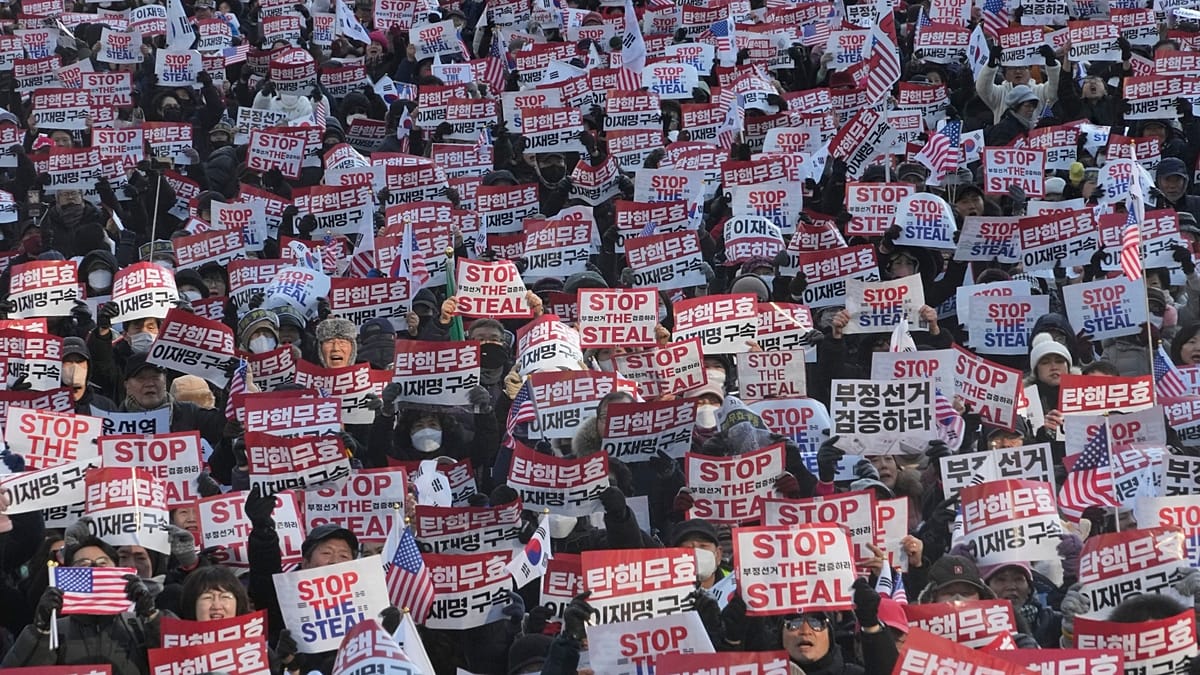
South Korea officially started implementing amendments to its Information and Communications Network Act on Tuesday, July 7, aiming to curb the spread of false and manipulated information online. The revised law increases penalties for repeat offenders and mandates major platforms to introduce new response mechanisms.
Under the new rules, users who intentionally spread illegal false or manipulated information could be ordered to pay up to five times the actual damages incurred. Repeat offenders whose content has been ruled illegal by courts face fines of up to 1 billion won (about €573,000).
Major platforms, including South Korea's Naver and Kakao as well as US tech giants Google and Meta, must establish systems for users to report suspected false or manipulated content. They are also required to publish transparency reports every six months detailing complaints received and actions taken.
Critics, including the opposition People Power Party (PPP), journalist associations, and civic groups, warn that the law lacks a clear legal definition of false or manipulated information, creating uncertainty and potentially enabling overly broad enforcement that could stifle free speech and encourage self-censorship.
PPP spokesperson Cho Yong-sool stated that platforms will likely over-remove content to avoid conflict with the government, investigative journalism will be suppressed, and citizens will find it difficult to express their opinions. The Journalists Association of Korea called for safeguards to ensure public-interest reporting and news-gathering are not hindered.
The law comes amid growing concerns over digital misinformation in South Korea, following a surge of false claims after the failed martial law attempt in 2024, including unsubstantiated allegations of Chinese interference in electoral processes. In a high-profile case, a right-wing YouTuber was indicted for using AI-generated audio to falsely claim that actor Kim Soo-hyun had dated a late actress while she was a minor. The allegations escalated into a major scandal, forcing Kim to suspend public appearances and delay a major project indefinitely.

/nginx/o/2026/10/06/17958748t1h4491.jpg)