Digital Wallets Explained: Four Main Types, From Store Accounts to Crypto
Digital wallets fall into four types: closed, semi-closed, open and crypto wallets. They differ in where the money can be spent and how it is stored.
Technology site Engadget has outlined the four main kinds of digital wallets, or e-wallets, which let people pay using a phone or computer: closed, semi-closed, open and crypto wallets. Knowing the difference helps users pick the option that suits what they want to buy and where.
Closed and semi-closed wallets
Closed wallets are controlled by a single company or store. Users top up and keep funds that can only be spent with that brand. Examples named include Starbucks, Uber Cash, Amazon Pay, Walmart Pay and Target Wallet.
Semi-closed wallets are more common outside the US. They allow payments across a range of pre-approved shops, online retailers, delivery and ride-share services. Examples include India's Paytm, the Philippines' GCash and GrabPay, which is available in Southeast Asian countries such as Malaysia and Thailand.
Open wallets
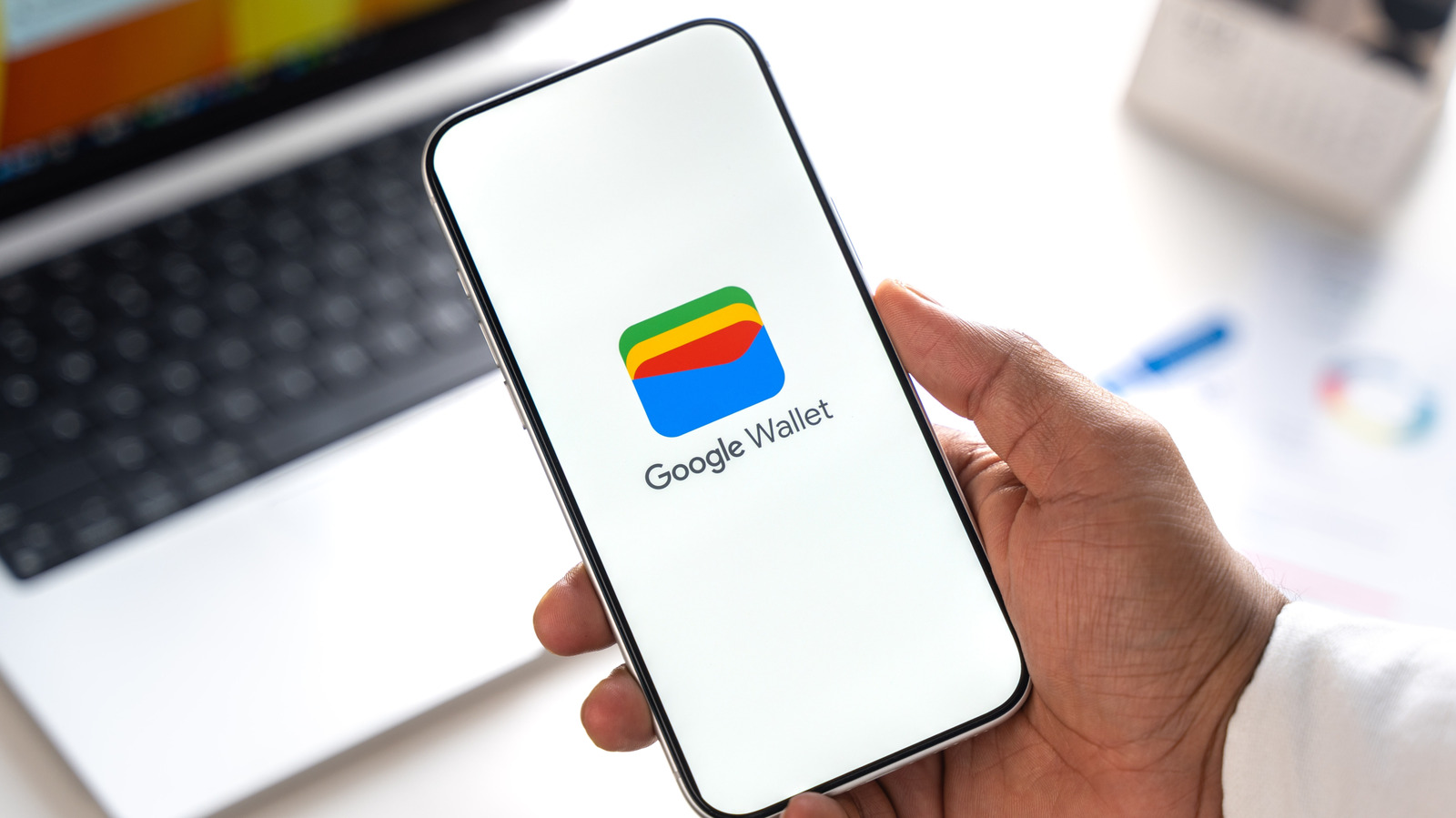
Open wallets are a digital version of a physical wallet, minus loose cash. Depending on the device and location, they can also hold ID such as driving licences and passports. Apple Wallet and Samsung Wallet are examples, as are offerings from Google, PayPal and Venmo. They allow online purchases, tap-to-pay in stores and sending money to friends and family. Access is often protected by biometric checks such as Face ID or fingerprint scans, making it harder for an attacker who steals a device to make payments.
Crypto wallets
Cryptocurrency wallets come in two forms, hot and cold. Blockchain networks maintain the ledger where Bitcoin or Ethereum exist, while the wallet determines how the keys that unlock those funds are stored and accessed.
Hot wallets are used through a phone or computer and are connected to the internet. They offer instant transactions but are more exposed to online attacks. Cold wallets do not need an internet connection and can be used via a USB drive or smart card. Private keys stay offline, though access requires pairing the wallet with an online device. Hot wallets suit fast transfers, while cold wallets are better for protecting crypto at the expense of immediate convenience.