How EV Battery Cooling Systems Keep Packs at a Safe Temperature
Most modern electric cars manage battery temperature with a thermal management system, usually based on liquid cooling. It helps limit aging and handle the heat produced by fast charging.
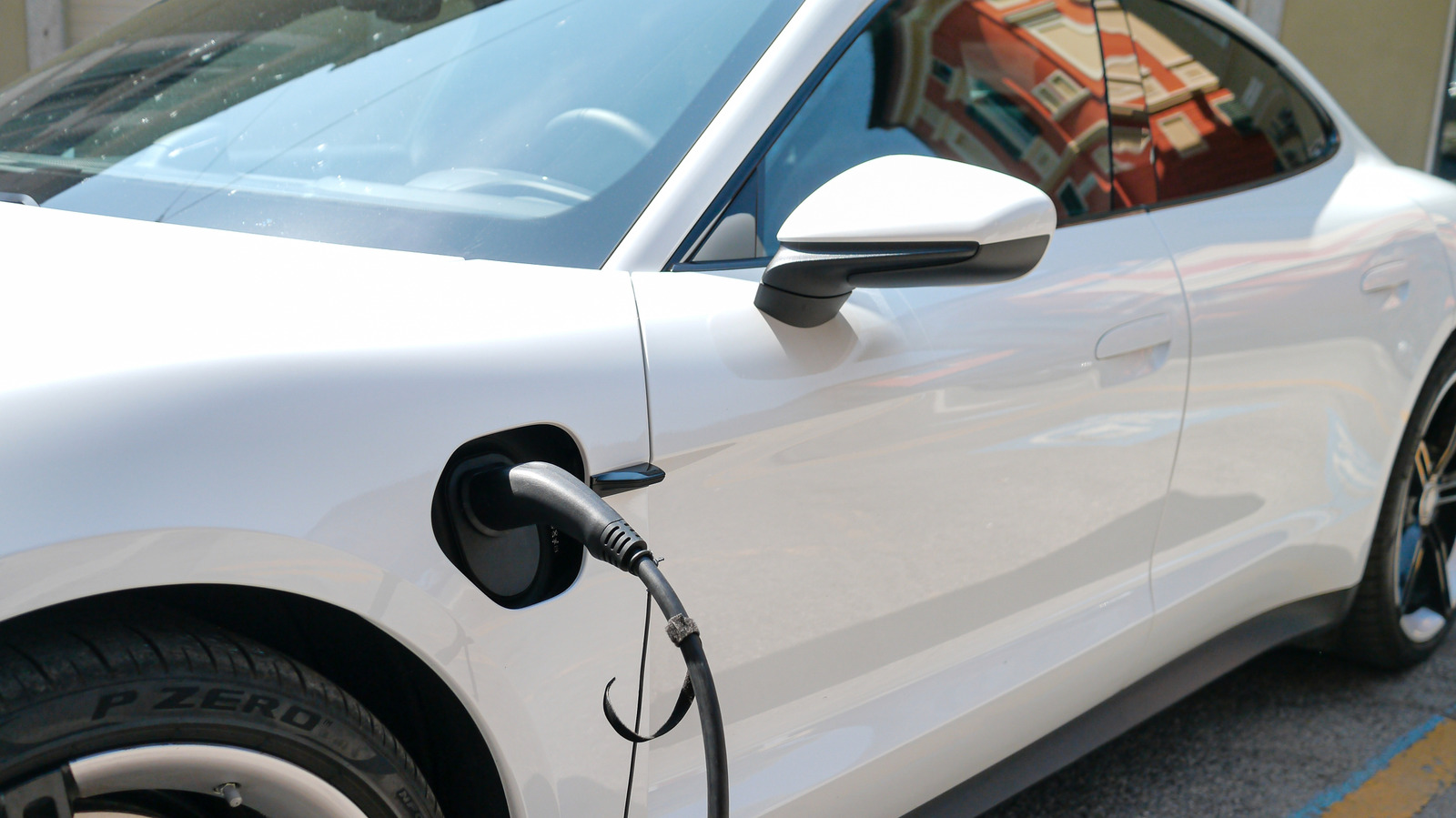
Keeping an electric vehicle's battery at the right temperature has become a key part of car engineering: in most modern EVs, a thermal management system both warms and cools the battery pack. It affects charging speed, battery lifespan and range in cold weather.
Preparing to charge
In freezing weather, a car arriving at a fast charger with a cold battery may charge more slowly. Many EVs prepare the battery while driving if the charger is set as a destination in the navigation. Tesla's manual advises doing this 30 to 45 minutes before arrival, and Porsche warns that charging power may be lower without it.
Why cooling is needed
Fleet management company Geotab tracked more than 22,700 EVs and found that batteries lost 2.3 percent of their health per year on average. Cars in hot climates lost about 0.4 percentage points more annually than those in mild ones. Vehicles that often used chargers above 100 kW lost 3 percent a year, compared with 1.5 percent for those that rarely did.
Fast charging, with 300 amps or more passing through the pack, produces a lot of waste heat. A 2021 review in the journal Energies found that a temperature difference of more than 5 degrees Celsius across a cell can speed up aging by 25 percent. In a cold battery, internal resistance rises, and fast charging can cause lithium plating on the electrodes. Recurrent, which studied over 30,000 US EVs, found batteries averaged 78 percent of ideal range at freezing and about 70 percent at -7 degrees Celsius.
Air, liquid and refrigerant
The original Nissan Leaf in 2010 used passive air cooling for its 24 kWh pack, while Tesla, GM and Ford used liquid systems. The third-generation Leaf unveiled in 2025 switched to a liquid-cooled 75 kWh battery. According to Energies, liquid cooling needs two to three times less energy than air, so most EVs use it.
The BMW i3 ran refrigerant from its air conditioning directly to the battery, while McLaren's Speedtail submerges its cells in electrically insulated oil.
Where the heat goes
The coolant loop is usually linked to a radiator for light loads and, via a heat exchanger, to the air conditioning for heavier loads such as fast charging. Tesla's Model Y uses a valve nicknamed the "Octovalve", while General Motors says its Ultium heat pump uses waste heat from the battery, power electronics and passengers to warm the cabin, adding about 10 percent more range.