European cardiologists issue first guidelines for managing heart and kidney disease together
The European Society of Cardiology, working with the European Renal Association, has published its first guidelines on treating cardiovascular disease alongside chronic kidney disease, since the two conditions can accelerate one another. The guidelines call for earlier screening and closer coordination between specialists to reduce serious complications.
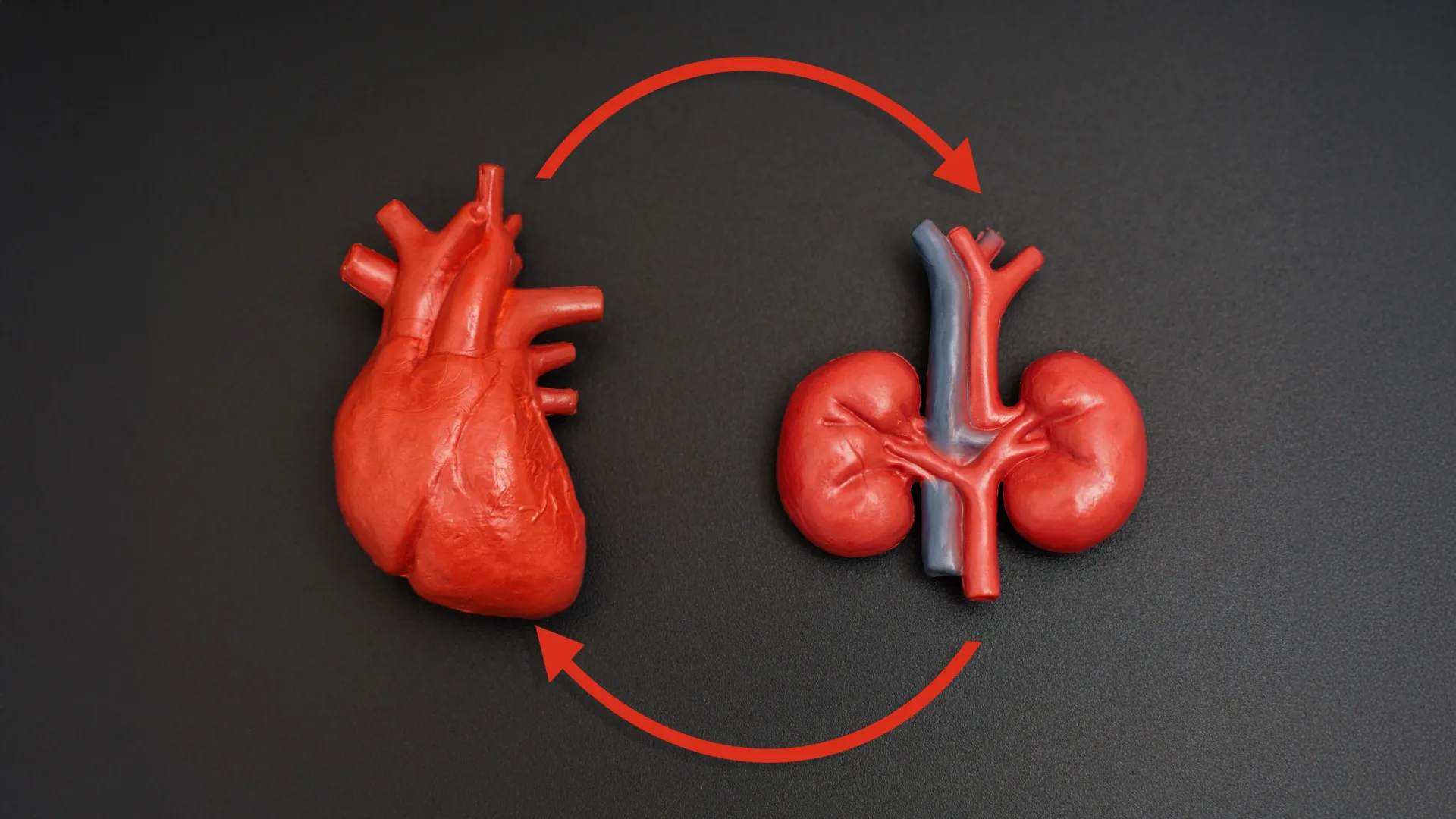
The European Society of Cardiology (ESC), in partnership with the European Renal Association, has released its first dedicated guidelines for managing cardiovascular disease (CVD) in patients who also have chronic kidney disease (CKD). The recommendations were published in the European Heart Journal and presented at ESC Congress 2026.
CKD is diagnosed when abnormalities in kidney structure or function persist for at least three months and affect a person's health. An estimated 100 million people across Europe live with the condition, which significantly raises their risk of developing cardiovascular disease.
A cycle that feeds itself
Task Force Chair Associate Professor Kevin Damman, from University Medical Centre Groningen, explained that both diseases carry a heavy burden of disability and lost years of life, and that CKD can speed up CVD progression while CVD can worsen kidney function — leading to earlier cardiovascular events and earlier need for dialysis. He noted that recent advances have produced simple treatments capable of substantially lowering risk for both conditions.
Screening and early action
The guidelines are organized around a strategy covering screening, risk triage, addressing kidney-related risk, adjusting cardiovascular treatment, and planning coordinated health services. Every patient diagnosed with cardiovascular disease should now be tested for kidney problems through blood and urine analysis. Risk is then assessed using validated scoring tools that account for kidney function.
A key recommendation is early use of RAS inhibitors and SGLT2 inhibitors together with statin therapy, which can slow CKD progression and reduce cardiovascular risk. Because reduced kidney function affects how the body processes certain medicines, the guidelines also specify which treatments remain safe to use in these patients.
Better coordination between specialists
Task Force Chair Professor William Herrington, from the University of Oxford, said many CKD patients are already treated within cardiology, so the new guidelines promote wider use of kidney function and urine albumin testing among cardiovascular patients. Close communication between cardiologists and nephrologists, along with involving patients and families in care decisions, is described as essential to patient-centered treatment. A patient-friendly version of the guidelines has also been created to help people understand their condition and take part in shared decision-making with their care teams.