Experimental Drug Reverses Severe Fatty Liver Disease by Restoring Gut Health
Researchers at Michigan Medicine have developed an experimental compound, DT-109, that reversed severe fatty liver disease in animal models by targeting the gut-liver axis. The study opens new therapeutic possibilities for metabolic dysfunction-associated steatohepatitis (MASH) and potentially other diseases.
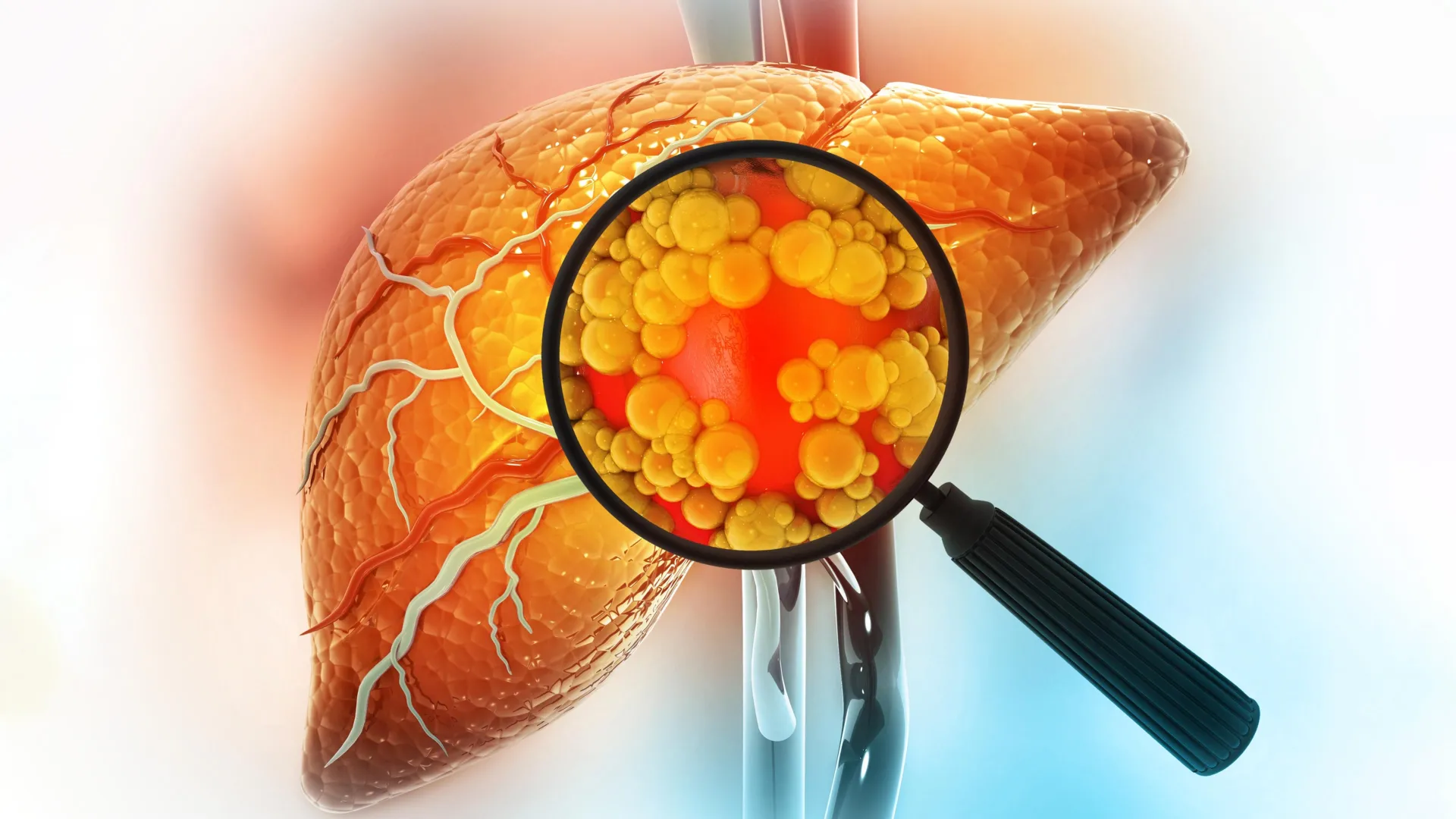
An experimental drug developed at Michigan Medicine has shown the ability to reverse severe fatty liver disease in animal studies by restoring gut health. The findings, published in The Journal of Clinical Investigation, suggest that targeting the connection between the gut and liver could offer a promising new approach for treating metabolic dysfunction-associated steatohepatitis (MASH). MASH is a serious form of fatty liver disease that affects about 7% of people worldwide and can progress to cirrhosis, liver cancer, and liver failure, yet effective treatment options remain limited.
The investigational compound, known as DT-109, is a glycine-based tripeptide. Researchers found that it reversed MASH in animal models by interrupting a harmful biological process linking the gut and liver. Specifically, DT-109 reduced the overgrowth of the bacterium Clostridium perfringens, which produces ammonia in the gut. High ammonia levels damage the intestinal lining, weakening the barrier. Once compromised, harmful microbial products enter the bloodstream and reach the liver, triggering inflammation. DT-109 strengthens the gut barrier, reducing the influx of these toxins.
In both mice and nonhuman primates, DT-109 lowered ammonia production, restored intestinal barrier integrity, and significantly improved MASH severity. Nonhuman primates are particularly relevant because their liver biology and gut microbiota closely resemble those of humans. The study also found that DT-109 primarily acts in the gastrointestinal tract but has far-reaching effects.
Beyond MASH, the compound may have benefits for cardiovascular disease and inflammatory bowel disease. Previous studies showed it reduced atherosclerosis plaques and prevented vascular calcification in nonhuman primates. The University of Michigan has patented DT-109 and licensed it to Diapin Therapeutics, which supplied the compound for the study. Future research will focus on safety and efficacy testing in human clinical trials.