Experts: Frequent government reshuffles in Ukraine cause institutional problems
Analysts criticize the recent government change process, highlighting reduced parliamentary role, lack of a government program, and significant resource losses.
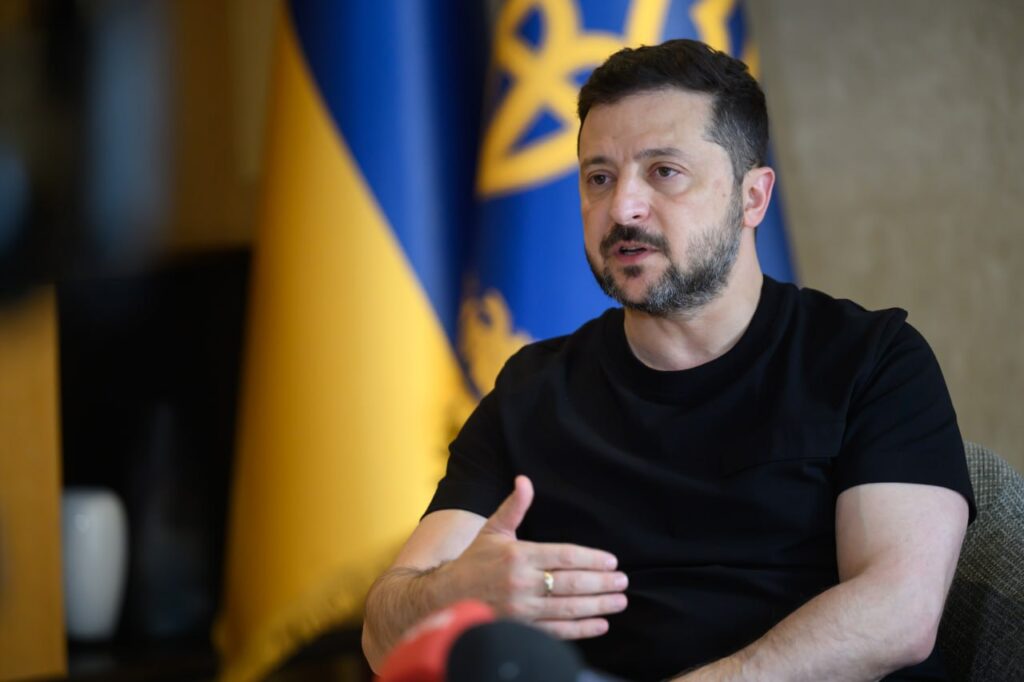
A week before the first anniversary of Prime Minister Yulia Svyrydenko's government, President Volodymyr Zelensky announced a change in political strategy and a government reshuffle. The next day, the Prime Minister submitted her resignation, which was approved by parliament, leading to the automatic resignation of the entire cabinet. No reasons were publicly provided, and MPs learned about the changes from social media rather than official consultations.
According to analysts from the Laboratory of Legislative Initiatives (LLI), this situation reveals deeper problems in Ukraine's governance. Although legally the government is accountable to both the President and Parliament, decision-making is effectively concentrated around the President, while Parliament's oversight role is weakened. MPs should systematically evaluate the government's work, but in practice this does not happen, and they often act merely as implementers of presidential decisions.
An even greater issue is that the Svyrydenko government failed to get its action program approved. The program was submitted to parliament in September 2025 but was never adopted. Consequently, there were no clear criteria to evaluate the government's performance, and its resignation did not constitute a full accountability cycle.
Moreover, government changes in Ukraine are often accompanied by ministerial restructuring – merging, splitting, or renaming ministries. This process takes several months, during which resources are spent not on implementing policies but on internal reorganization. LLI cites the Ministry of National Unity as an example of a failed and costly experiment.
Analysts urge the new government to develop a comprehensive action program with measurable goals and to avoid radical ministerial changes. They also note that 142 government-drafted bills not yet adopted in the first reading will have to go through the legislative process anew, potentially delaying Eurointegration and international support.