Experts: Winter Tyres in Latvia Should Be Fitted Before Independence Day
After the first cold nights in Latvia, tyre shops are seeing more customers switching from summer to winter tyres. A road safety expert at the Road Traffic Safety Directorate (CSDD) says, based on 10 years of statistics, that the change should be done before the national holidays.
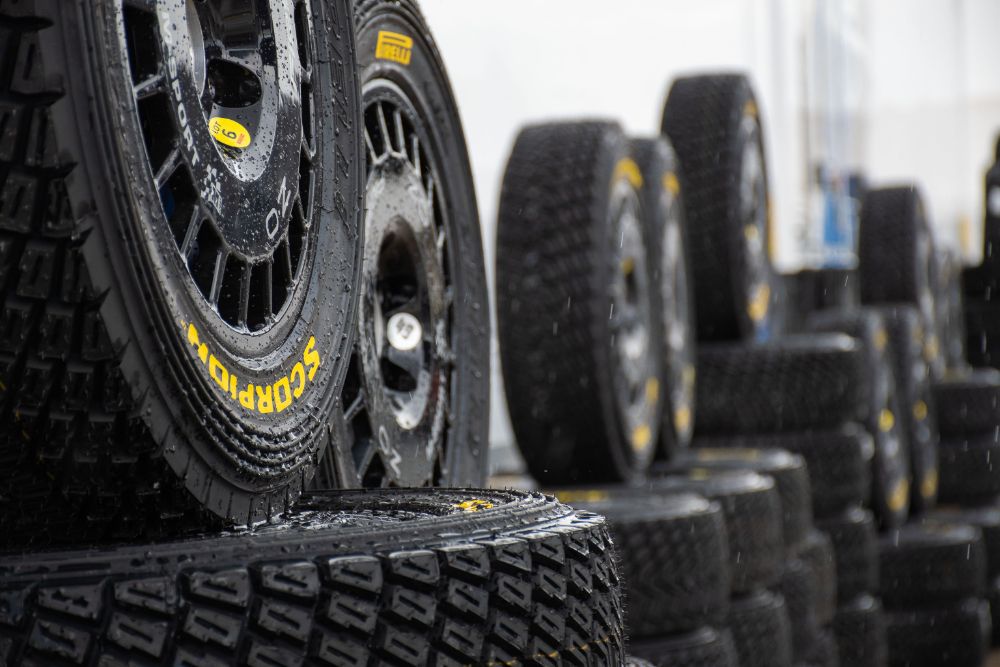
Drivers in Latvia are increasingly heading to service shops to swap summer tyres for winter ones after the first cold nights. Road safety experts, as reported by 360TV Ziņas, warn of icing risks in the early morning hours, even though daytime weather remains relatively warm, and urge motorists not to leave the change until the last minute.
Garages get busier
After the first cold night, the workload of tyre fitters rose to roughly 40%. Kristaps Seržants, a representative of the company "Riepu Garāža", said the first wave of activity came last week, and a slight influx was noticed again this morning. The first to arrive are those who already have the tyres with them, as well as customers who want to buy new ones and need a specialist's advice. Based on Seržants' experience, about half of all drivers put the change off until the end of November.
When to change
Specialists suggest changing tyres when you start feeling like putting on gloves. Oskars Irbītis, a road safety expert at the Road Traffic Safety Directorate (CSDD), urges drivers to follow weather forecasts, as air temperatures can differ considerably between regions of Latvia. If sub-zero nights are expected in the coming weeks, or temperatures approach zero, it is the right time to change.
According to Irbītis, statistics from the past 10 years show that icing becomes critical across the whole country about 3–4 days before the national holidays. He therefore says tyres should be changed by then.
Concerns about wear
Tyres can also be changed earlier. Specialists dismiss concerns that winter tyres can be damaged by driving on dry asphalt in above-zero temperatures. Seržants says the tyres have been tested: when the air temperature is below 10 degrees, no serious harm is done to them. A couple of hundred or even a thousand kilometres before the change would otherwise be made will not cause problems either.
Both tyre fitters and drivers would find it more convenient to change tyres in good time, while queues have not yet formed at service shops.