Expert: Estonia and Lithuania Have No National Airline, Yet Estonia's GDP per Capita Is Higher
Pēteris Leiškalns of the Latvian Employers' Confederation questioned on TV24 whether a national airline is essential for economic development. He noted that Estonia's GDP per capita is about 20% higher than Latvia's.
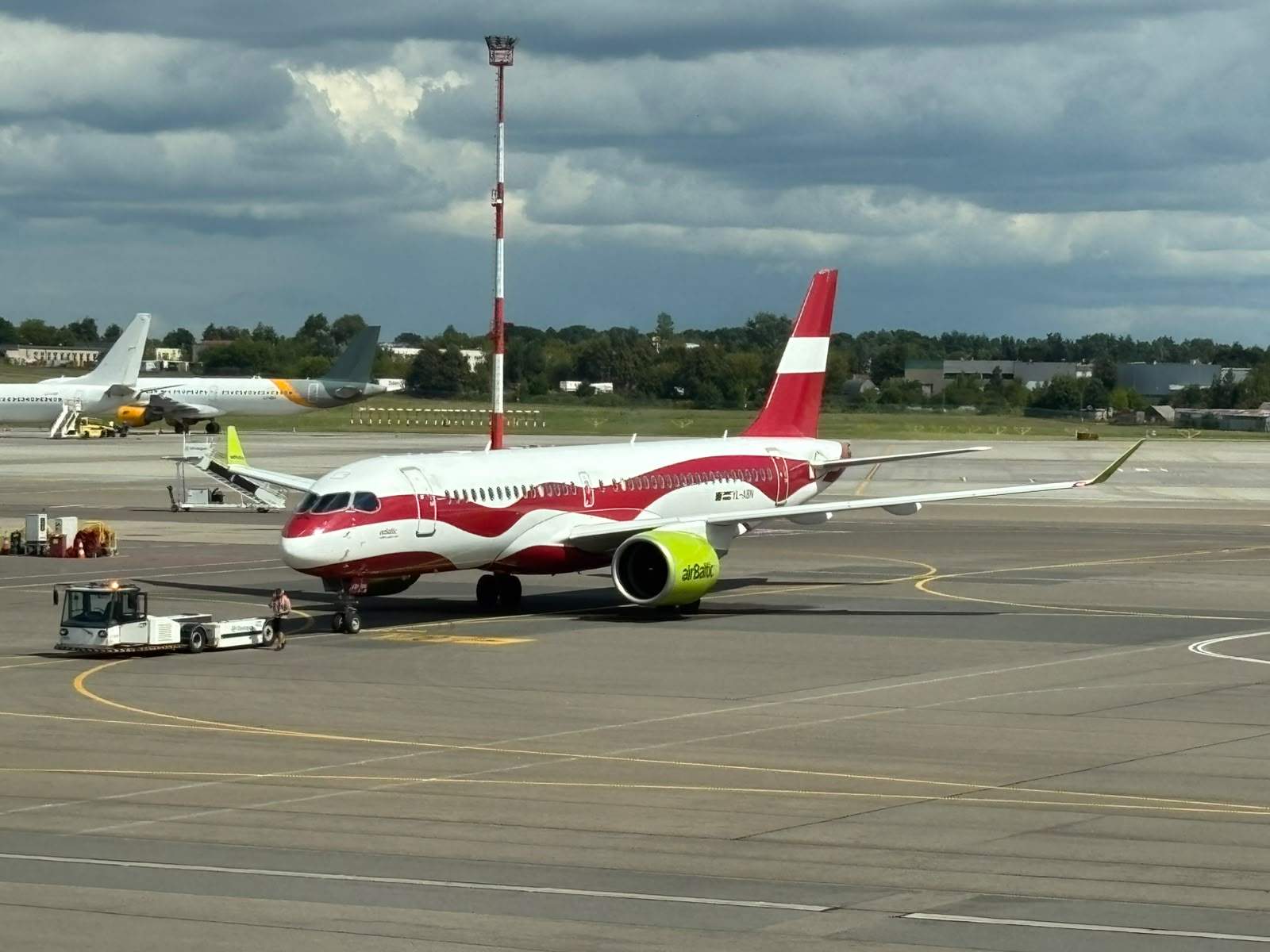
Pēteris Leiškalns, an expert on social security and healthcare at the Employers' Confederation of Latvia (LDDK), questioned on the TV24 programme "Preses klubs" the view that a national airline is a key precondition for a country's economic growth. The discussion took place on 15 October and assessed the role of Latvia's national carrier airBaltic and the state's investment in it. The topic is current because the company is undergoing a legal protection process.
Comparison with neighbouring countries
Leiškalns said it is often stressed in Latvia that a national airline is very important for the economy. However, Lithuania has no such carrier, and neither does Estonia, yet Estonia's gross domestic product per capita is roughly 20% higher than Latvia's, he said.
He added that other factors certainly play a role in such a comparison. Even so, in his view it casts doubt on the assumption that having a national airline automatically brings greater economic strength.
The situation at airBaltic
On the company's current state, Leiškalns said it is in a legal protection process, during which specialists involved supervise its operations. They decide which decisions may be taken and which actions are not permitted. The expert viewed this arrangement positively, since otherwise the company could simply go bankrupt.
He acknowledged that ticket buyers and the state, which has made contributions of about half a billion, relied on the company, and that the present situation creates problems for them. Nevertheless, there is hope that passengers at least could get their money back.
Another view
The programme's other guest, Kārlis Šadurskis, a professor and member of the Vienotība party, shared a personal observation. He said that when he returns and lands in Riga, he feels glad to be home, while residents of neighbouring countries sometimes have to take connecting flights.