Analyst on WSJ report: talk of direct Russian military attack on NATO is foolish
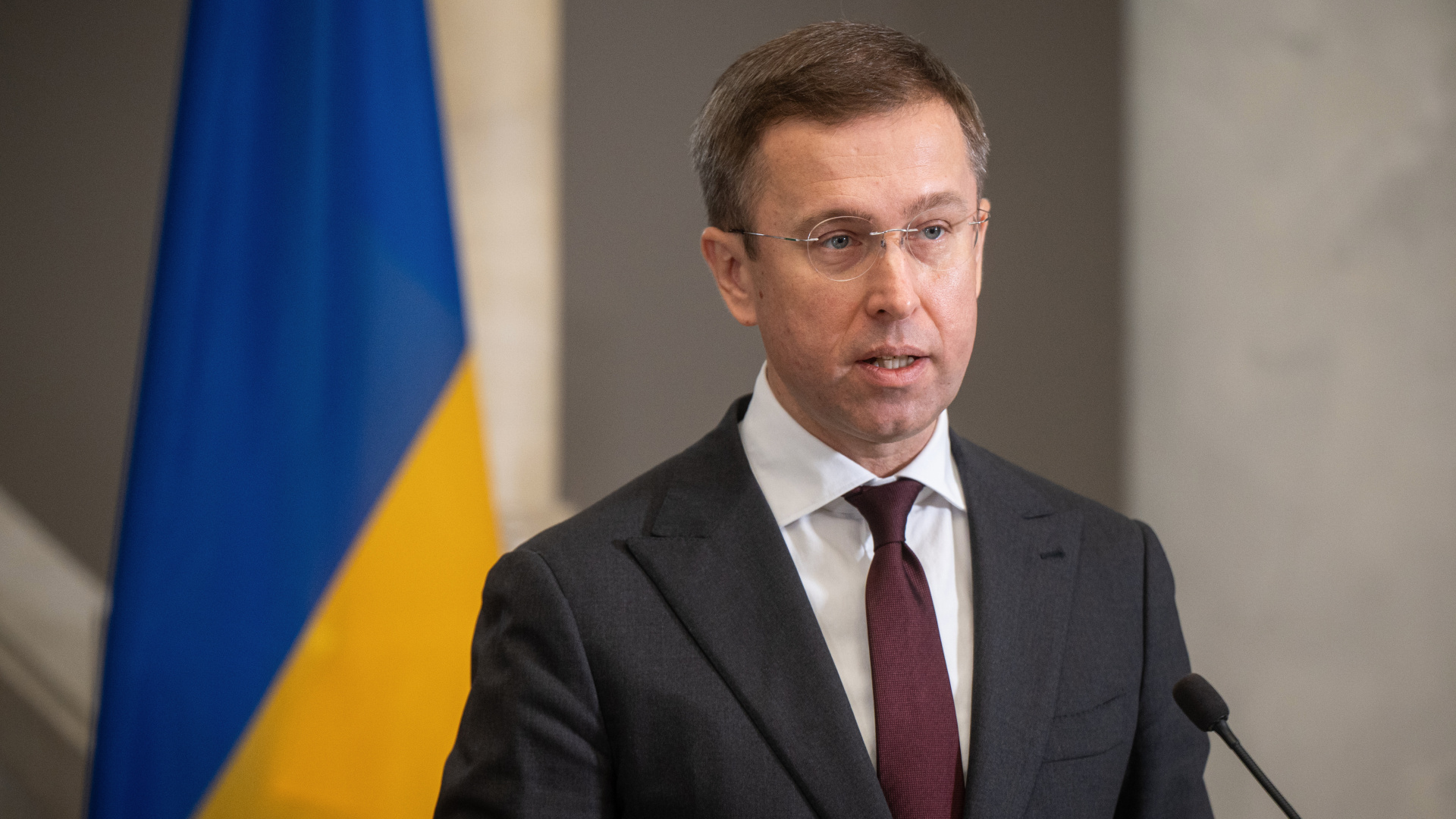
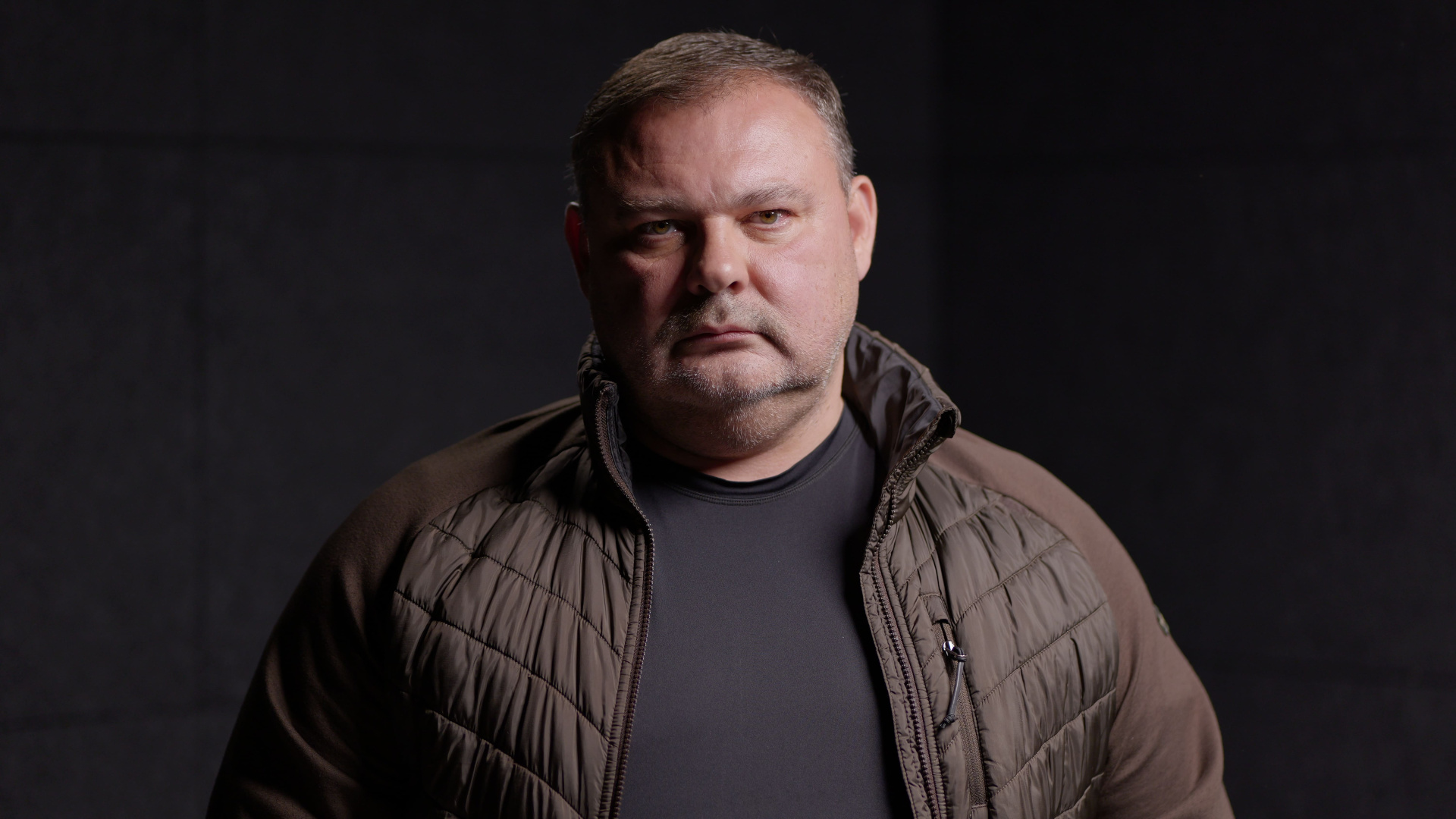
Estonian foreign policy expert Rainer Saks dismisses a WSJ report citing US intelligence about a possible Russian attack on a NATO state, calling it speculation rather than a solid intelligence assessment.

The Wall Street Journal has published an intelligence assessment suggesting that Russian regime leader Vladimir Putin, facing difficulties in seizing Ukraine, could test NATO within the next few years by attacking a member state — through either cyberattacks or a small-scale ground incursion.
Foreign policy expert Rainer Saks says the report relies on anonymous sources and fragmented information, with no official comment provided. He argues that vague predictions Russia "might do something" don't indicate concrete plans, and the stated timeframe — from this autumn until 2029 — seems absurd. In Saks's view, as long as Russia isn't actually planning an attack, publishing such assessments in this context actually benefits Russia by letting it manipulate the narrative further.
Two possible scenarios
Saks explains that a Russian attack testing NATO unity is realistically possible under only two scenarios: either the alliance collapses internally, which cannot currently be claimed despite some disagreements among members, or Russia carries out a full mobilization after State Duma elections, since its current forces in Ukraine are insufficient. Without martial law and full mobilization, he believes Russia will not pursue highly aggressive plans.
Ammunition shortages on both sides
On the depletion of US missile stockpiles, linked to involvement in the Middle East and support for Ukraine, Saks notes that Russia faces similar or even deeper problems with air defense — evidenced by the success of Ukraine's long-range strikes, including a recent attack on a Wildberries warehouse in the Urals, 1,800 kilometers from Ukraine.
Saks says there are genuine grounds for concern about the overall situation — European and US governments have failed to stop the war, and support for Ukraine, while substantial, has not been sufficient. He also expresses puzzlement that, four years into the full-scale war, European leaders still cannot ensure adequate production of needed military equipment.