Expert: Trump's Approach to the Ukraine War Stems from Deal-Making, Not Loyalty to Putin
Political analyst Māris Andžāns said on TV24 that US President Donald Trump's actions are shaped by his business background and deal-oriented thinking. In his view, this risks putting more pressure on Ukraine than on Russia.
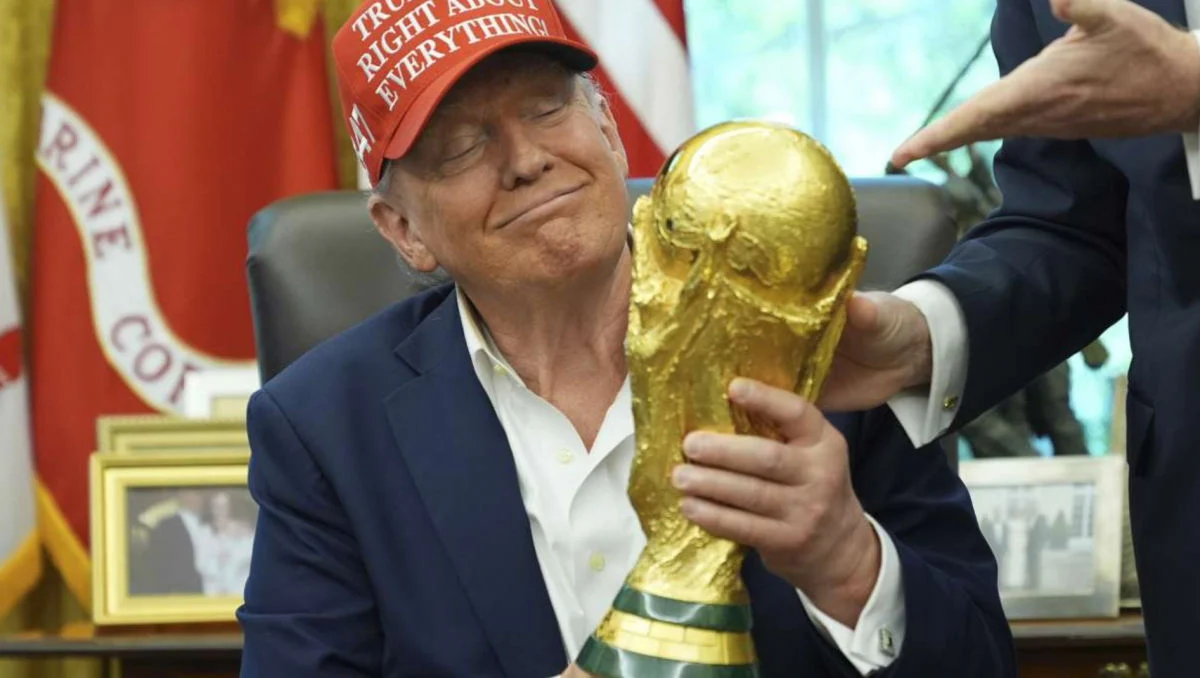
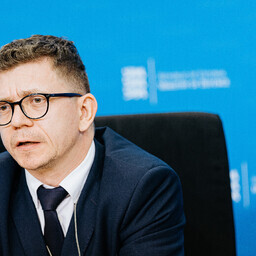
US President Donald Trump views the war in Ukraine largely as a conflict between two countries that must be settled at the negotiating table. That was the assessment of Māris Andžāns, director of the Center for Geopolitical Studies and associate professor at Riga Stradiņš University, given on 7 November during a TV24 special broadcast on the US midterm elections in Latvia. He argued that this approach risks placing the greatest pressure for the sake of peace on the country that is defending itself against aggression.
A deal-making lens, not loyalty
Andžāns acknowledged that Trump's sympathy for authoritarian leaders is well known, but said his conduct cannot necessarily be explained by special loyalty to Russian President Vladimir Putin. In the expert's view, Trump's own mindset matters more, shaped largely by his experience as a businessman and a habit of seeing the world as a series of deals.
Accordingly, Andžāns said, Trump sees the war in Ukraine in simplified terms: two countries are fighting, and his task is to secure an agreement. The question of which state is the aggressor and which is defending itself recedes into the background.
Dependence on US support
The expert stressed that it is much easier for the Trump administration to pressure Ukraine than Russia. Ukraine remains dependent on US technology and military support, including the Starlink and Starshield systems.
He also voiced concern about PURL, an initiative that allows European countries and Canada to buy American weapons for Ukraine with their own funds. If the US were to end this mechanism, Ukraine's situation would become even harder.
Talks with Russia
Andžāns recalled visits to Russia by US special envoy Steve Witkoff and Trump's phone calls with Putin. He described the 28-point peace plan, drawn up with the participation of Witkoff and Russian representative Kirill Dmitriev, as effectively an offer of capitulation for Ukraine.
According to the expert, Trump's policy does not always indicate sympathy for Russia. Even so, his transactional thinking and desire for a quick deal could lead to a situation in which Ukraine is asked to make far greater concessions than the aggressor state.