Electric vans start replacing generators on job sites
Vehicle-to-Load technology lets electric vans power tools directly from their traction battery, often eliminating the need for a separate fuel generator. In Latvia, this feature is offered on models such as the Kia PV5.
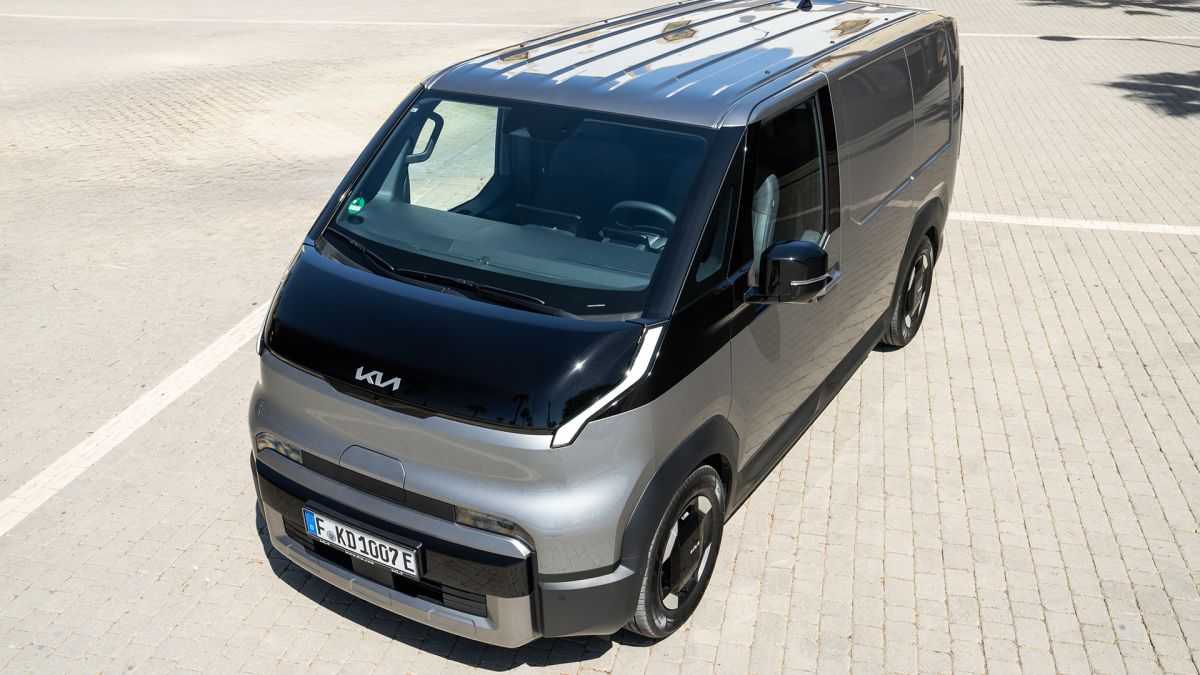
Electric vans on job sites are increasingly serving as more than just transport — they're becoming power sources too. Thanks to Vehicle-to-Load (V2L) technology, tools and other equipment can be run straight off the van's traction battery without needing an extra inverter or separate battery pack. For many tradespeople, this removes the need for a separate petrol or diesel generator, freeing up cargo space, cutting maintenance costs, and reducing noise at the work site.
Kia PV5 as an example
The Kia PV5, named International Van of the Year for 2026, offers V2L with 220V output and up to 3.5 kW of power — more than the Ford E-Transit Custom's Pro Power Onboard system, which delivers up to 2.3 kW. In Latvia, the feature is bundled into the Charging Pack option, priced from 435 euros. The 3.5 kW output is enough for drills, circular saws, and work lighting, though not for heavier equipment like a three-phase compressor or industrial welder.
Minimal impact on range
Running tools at the full 3.5 kW for an hour consumes only about 3.5 kWh — under five percent of the Kia PV5's largest 71.2 kWh battery — reducing WLTP range by roughly 20 kilometers. The system prevents the battery from fully draining, always keeping enough charge reserved for the return trip. An 11 kW AC charger can fully recharge the van overnight, while a 150 kW DC fast charger takes about half an hour to go from 10 to 80 percent. Models sold in Latvia come standard with a heat pump, helping preserve range in winter.
Practical benefits for businesses
The technology suits installation crews working all day without refueling a generator, vendors needing refrigeration where no power connection exists, or property owners needing lighting or freezer power after a storm. The Kia PV5 is available in Latvia with a seven-year or 150,000 km warranty, payload up to 790 kg, cargo volume up to 4.4 cubic meters, and a choice of two battery sizes.