Energy Drinks and Caffeine: American Heart Association Warns of Heart Risks
On 2 November the American Heart Association stated that energy drinks and supplements containing caffeine and stimulants are linked to serious cardiovascular events. In a commentary in Latvijas Avīze, Pēteris Apinis explains the effects of their ingredients and urges moderation.
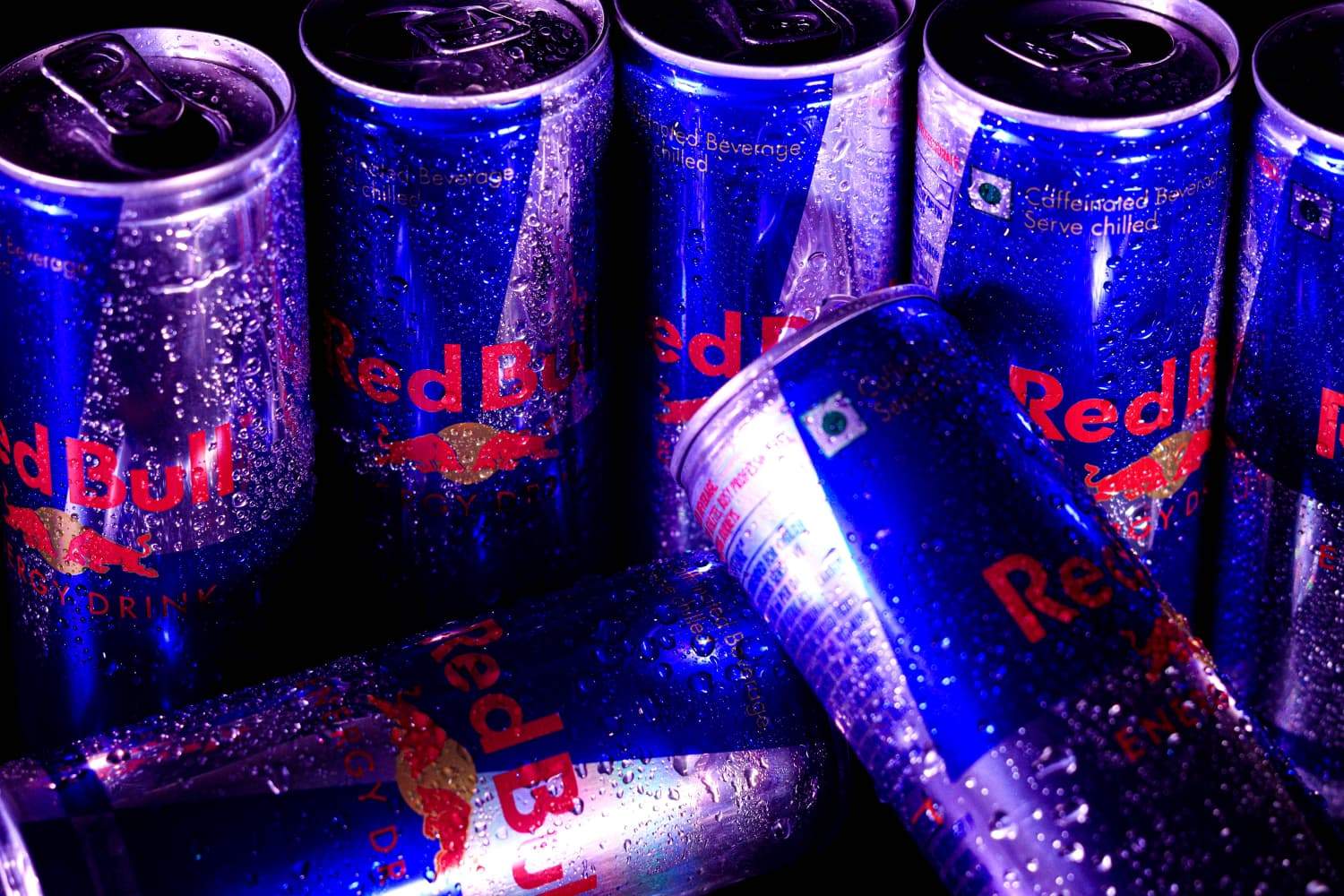
The American Heart Association (AHA) said on 2 November that energy drinks and dietary supplements containing caffeine and stimulants are more often linked to serious cardiovascular events than products without these ingredients. In an article published by Latvijas Avīze on 15 November, author Pēteris Apinis discusses the topic and urges readers not to overuse energy drinks.
What the research shows
The AHA report draws on initial studies. They found that cardiac arrest was reported 11 times more often, and heart attacks 4.5 times more often, in connection with products containing caffeine and stimulants. Users of these drinks and supplements also reported chest pain, loss of consciousness and rapid heartbeat more frequently. Roughly 45% of adverse-event reports were from people aged 18 to 34.
The opposing view
The author also cites arguments in the drinks' favour: they have been consumed for over thirty years, and the European Food Safety Authority has said there is no scientific basis for treating them differently from coffee or tea. At the same time, taurine concentrations in the drinks are many times higher than in a normal diet, and combined with large caffeine doses they increase the strain on the heart.
Other ingredients
Apinis notes that guarana contains 2–4 times more caffeine than coffee beans, but in excess can cause insomnia, anxiety, a faster heartbeat and raised blood pressure. A single can may contain 10–20 teaspoons of sugar, and he says there is no scientific basis for the high B-vitamin doses.
Caffeine and recommendations
In moderate amounts, up to 400 mg a day or about four cups of coffee, caffeine is linked to a lower risk of liver disease and type 2 diabetes. An overdose can cause tachycardia, arrhythmia, anxiety and sleep disruption. The author warns that abruptly stopping use can cause withdrawal symptoms, that energy drinks promote dehydration, and that mixing them with alcohol masks intoxication and strains the heart. He admits he consumes a lot of caffeine himself, so his view, he says, is open to debate.