EU Commissioner: Digital Fairness Act to target unfair online practices
European Commissioner for consumer protection Michael McGrath says he will present the Digital Fairness Act and an enforcement reform next week. He says unfair online practices cost EU consumers about €10.3 billion a year.
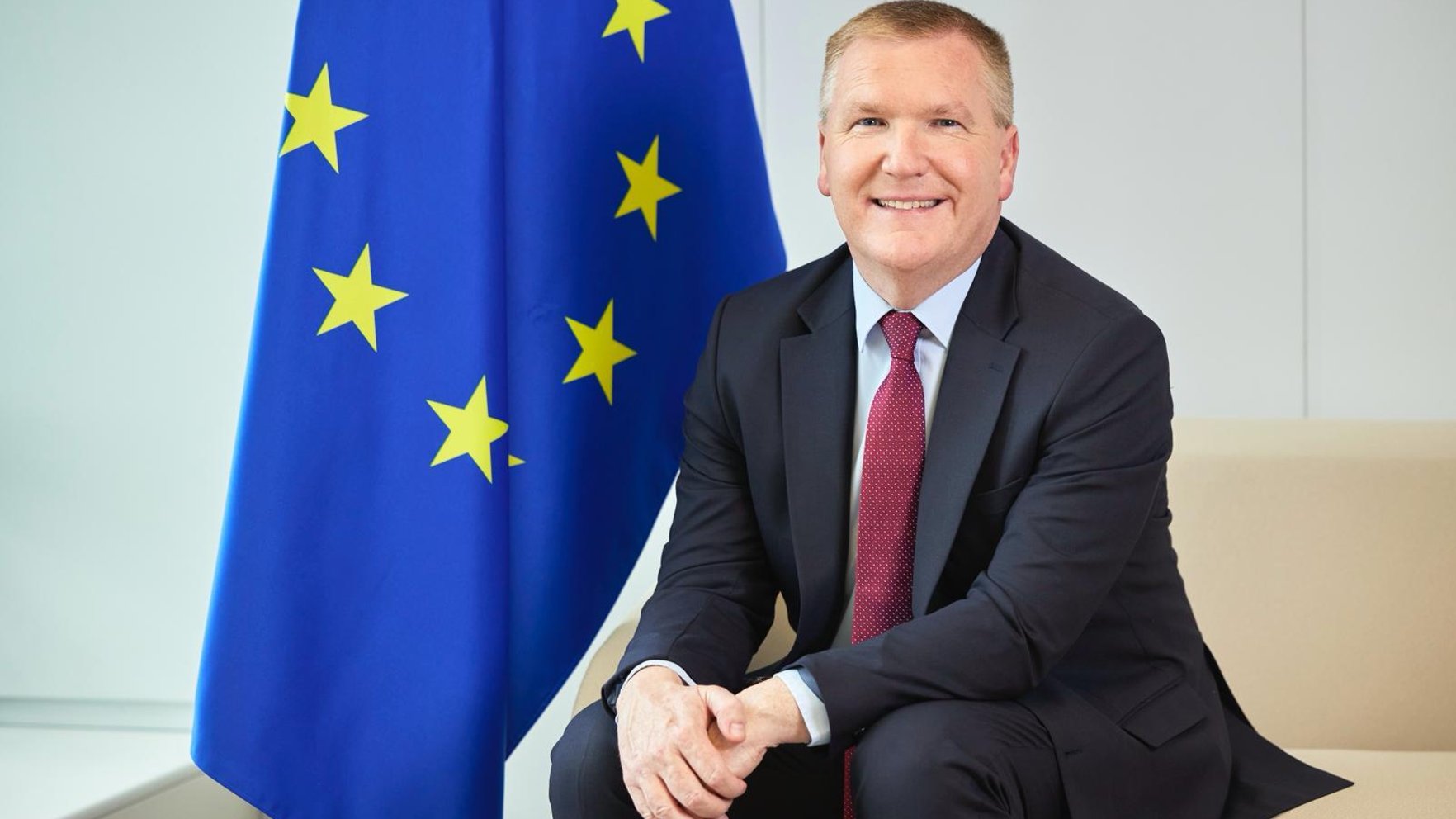
Michael McGrath, the European Commissioner responsible for consumer protection, has written in an opinion article published by Delfi that he will present the Digital Fairness Act and a reform of the EU enforcement framework next week. In his words, together they will be the most significant update to EU consumer protection law in the past twenty years. The aim is to give the EU's 450 million consumers the same level of protection online as offline.
Problems identified
The commissioner says websites and apps are often designed to push people into decisions they did not intend to make. He cites hidden fees, misleading prices, manipulative design and subscriptions that are hard to cancel. According to him, more than 80% of popular e-commerce sites and mobile apps use similar techniques.
He also mentions undisclosed advertising on social media, prices and ads personalised using private data, and gambling-like features in video games. In addition, customer service increasingly consists solely of an AI chatbot. He says these risks particularly affect children, older people and those under financial pressure.
The Commission estimates that unfair online commercial practices cost EU consumers about €10.3 billion a year. The commissioner stresses that law-abiding businesses are harmed as well.
What the planned measures involve
McGrath explains that the current rules were drafted before e-commerce and the attention economy emerged, leaving gaps and "grey areas" in the legislation. In a public consultation, 68–72% of respondents backed new EU rules against manipulative design, unfair personalisation and misleading influencer marketing.
The Digital Fairness Act will target manipulative marketing, unfair personalisation, problematic influencer marketing and subscriptions that are difficult to manage. The plans also include stronger cooperation between national authorities and broader powers for the European Commission to investigate large-scale infringements affecting several EU countries.
The commissioner argues that uniform rules will also help small and medium-sized enterprises by creating a more level playing field.