EU Companies Keep Helping Russia's LNG Exports Despite Sanctions
Although a full EU ban on Russian LNG imports takes effect in January 2027, a temporary exemption still lets European firms transport, trade and insure Russian LNG shipped to third countries.
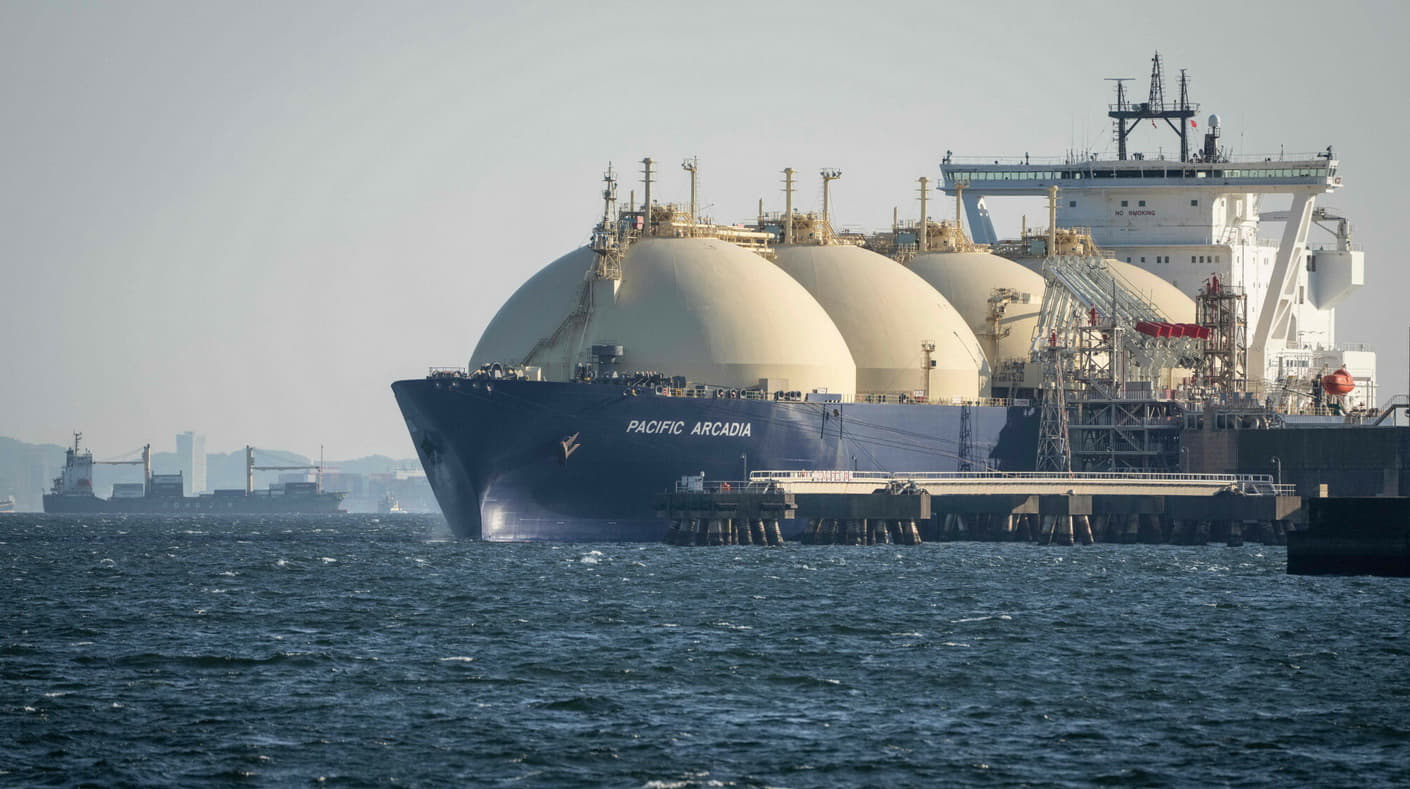
Starting January 1, 2027, the European Union will enforce a complete ban on imports of Russian liquefied natural gas (LNG). However, when adopting its 21st sanctions package, the EU preserved a temporary exemption for certain deliveries to third countries under old contracts. The exemption runs until July 25, 2027, and is limited to 2025 delivery volumes with quarterly reporting from the involved European operator.
This means current sanctions policy is redirecting the geography of Russian LNG exports rather than isolating them entirely. Cargoes that once went to European terminals will instead head to China, India or other countries, often using vessels managed by European companies and transfers between icebreaking and conventional LNG tankers.
Companies want business as usual
Spain's Naturgy has purchase obligations for Russian LNG worth roughly €10.95 billion; in February 2026 it said it intended to discuss possible force majeure with Yamal LNG but has not announced an unconditional contract termination. France's Total Energies plans to keep buying from Yamal LNG at least through 2026 and still holds a 20% stake in the project, though in 2026 it is beginning talks to exit the sanctioned Arctic LNG 2 project.
Germany's state-owned SEFE (formerly Gazprom Germania) is considering an early halt to its long-term Yamal LNG contract, with the federal government urging it to exit by 2027. Greece, during negotiations over the 21st sanctions package, defended its shipping sector's interests, including Dynagas, which operates five icebreaking LNG tankers carrying a third of Yamal's annual exports.
A ban on vessel transfers is needed
British sanctions policy will be critical in 2027. A general trading licence introduced in the UK allows LNG transport from Yamal LNG and Sakhalin-2 terminals to third countries, along with related financial and brokerage services; it expires January 1, 2027. Not renewing it would block six more icebreaking tankers and affect insurance for Dynagas's Greek fleet.
Another weak point is the absence of a full ban on selling or transferring LNG tankers — the 21st package only introduced a duty to report such sales, while broader restrictions are due for review by the EU Council on October 25, 2026.
The author argues the EU and UK must fully bar their companies from assisting Russian LNG exports regardless of destination market, impose real restrictions on tanker sales and transfers, and expand the sanctions list to include the Yamal LNG and Sakhalin-2 projects, warning that otherwise Russia could keep earning revenue that helps finance its war against Ukraine.