EU Inc stalls: European Parliament committee fails to vote on single company form
The European Parliament's Legal Affairs Committee failed on 19 October to vote on its draft report on EU Inc, a proposed single EU company form. Trade unions warn of risks to workers, while startup founders say negotiations are watering down the core idea.
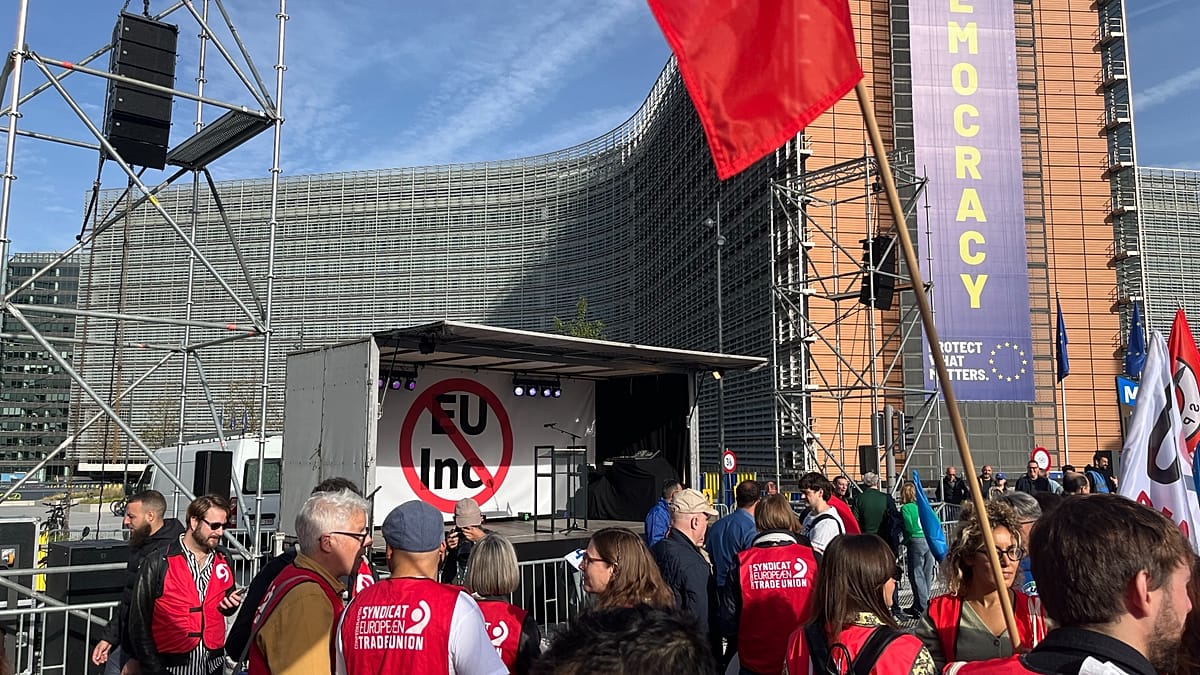
The European Parliament's Committee on Legal Affairs (JURI) failed on 19 October to vote on its draft report on EU Inc, the European Commission's proposed optional EU-wide company form, also known as the "28th regime". It aims to reduce fragmentation across the bloc's 27 legal systems and make it easier to launch and scale businesses. The Commission presented the proposal on 18 March 2026 and hoped for agreement by the end of the year, but lawmakers still appear far apart.
What the proposal envisages
EU Inc would sit alongside national company forms, with one harmonised rulebook. A company could register in one member state through a central EU interface within 48 hours. Minimum capital is €1 and no opening deposit is needed. Formation, governance, share issuance and liquidation would be fully digital, without notary or chamber fees. Existing firms could convert without dissolving. A harmonised European employee stock option scheme is also planned. Contracts, working time, dismissal protection and social security would remain governed by the country where employees work, and tax residency would not change.
Dispute over workers' rights
In Parliament, talks have stalled after JURI twice failed to secure a majority for the draft report by rapporteur René Repasi (S&D). He stresses the need for legal certainty and safeguards against misuse, and warns that stock options should never replace fair wages or social contributions.
The European Trade Union Confederation (ETUC) warns of "regime shopping": companies registering in states with weaker labour protection. It also points to the possible avoidance of worker consultation and fast-tracked liquidation that could leave wages unpaid.
Founders' objections
The EU-INC campaign, backed by more than 26,000 founders and investors, said on 15 October that the original proposal "no longer exists". Co-initiator Simon Schaefer criticises the role of national courts and the removal of a central registry from the Council's first compromise draft. The campaign wants five elements restored and says it could seek a delay rather than accept a watered-down version. The legal basis and fraud risks have also been questioned by a group of company law experts and Germany's Federal Chamber of Notaries.