‘Ferritin face’ trend on TikTok: what specialists say about iron deficiency
Social media users are spreading the term “ferritin face” for pallor, dark circles and hair loss supposedly signalling low iron stores. UK doctors say iron deficiency can affect appearance but cannot be diagnosed from the face.
Influencers on TikTok are increasingly warning about “ferritin face”, a term describing pallor, dark circles under the eyes, dry skin and hair loss that they claim point to low iron stores in the body. British medical experts have explained what is accurate in these claims and when to see a GP.
What is ferritin
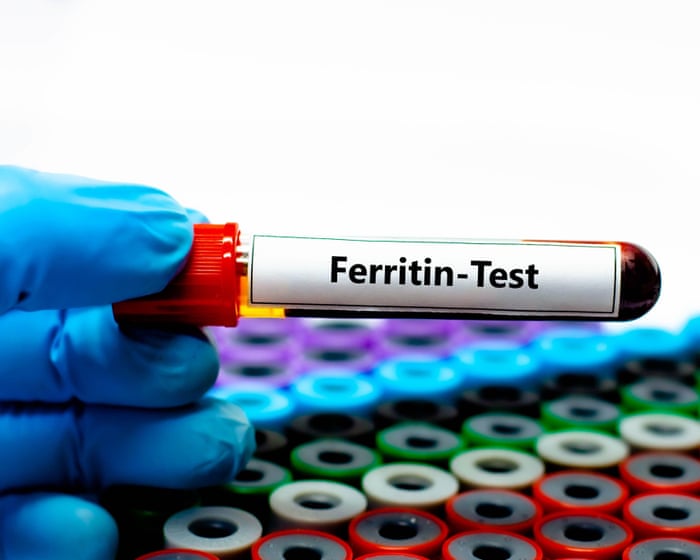
The body does not make iron, so it is normally obtained from food. Ferritin is a protein that stores iron, mainly in the liver, and releases it in a controlled way. Ferritin levels can be measured with blood tests, although experts caution that the result is not always a reliable guide.
Under guidelines from the National Institute for Health and Care Excellence (NICE), a blood ferritin level below 30 micrograms per litre indicates iron deficiency. Sue Pavord, professor of practice in medical haematology at Oxford University hospitals, said a level below 50 might also point to deficiency.
Can low ferritin change appearance
Dark circles, grey skin, cracked lips and hair loss can have many causes, including genetics, stress and dehydration. Experts say, however, that low iron stores can have an effect. Pavord explained that a person with deficiency would feel very fatigued and their skin could look dull and saggy. The face alone cannot be used for diagnosis. Prof Toby Richards of the University of East London and the Iron Clinic said such changes are more pronounced in people with very low iron stores.
Causes and what to do
Periods and pregnancies are the most common causes. Others include too little iron in the diet or poor absorption, for example with coeliac disease, and blood loss from gastrointestinal problems. Athletes can also be affected.
Richards advised people at higher risk to ask for a blood test including a full blood count, ferritin, B12 and folate. Those at risk include women with heavy periods, pregnant women, women who have had children, and vegetarians and vegans. Older people need a clinical assessment to look for possible bleeding from the bowel.
Iron tablets are available over the counter. Pavord said taking them without confirmed deficiency is unlikely to do harm, particularly for young women. Richards noted that marketed products are usually lower-dose supplements, whereas a deficient person needs a full treatment dose and a repeat blood test after three months.
Pavord welcomed the greater awareness and called for an end to normalising fatigue. Dr Asiya Maula, a GP at the private firm The Health Suite, cautioned that people may recognise themselves in a list of symptoms and assume deficiency without checking the actual cause.