Fitch Assigns Negative Watch to airBaltic, Warns of Potential Default
Fitch Ratings has placed Latvian national airline airBaltic's credit rating and secured bonds on negative watch, citing acute liquidity pressure and a possible default or debt restructuring without external support.
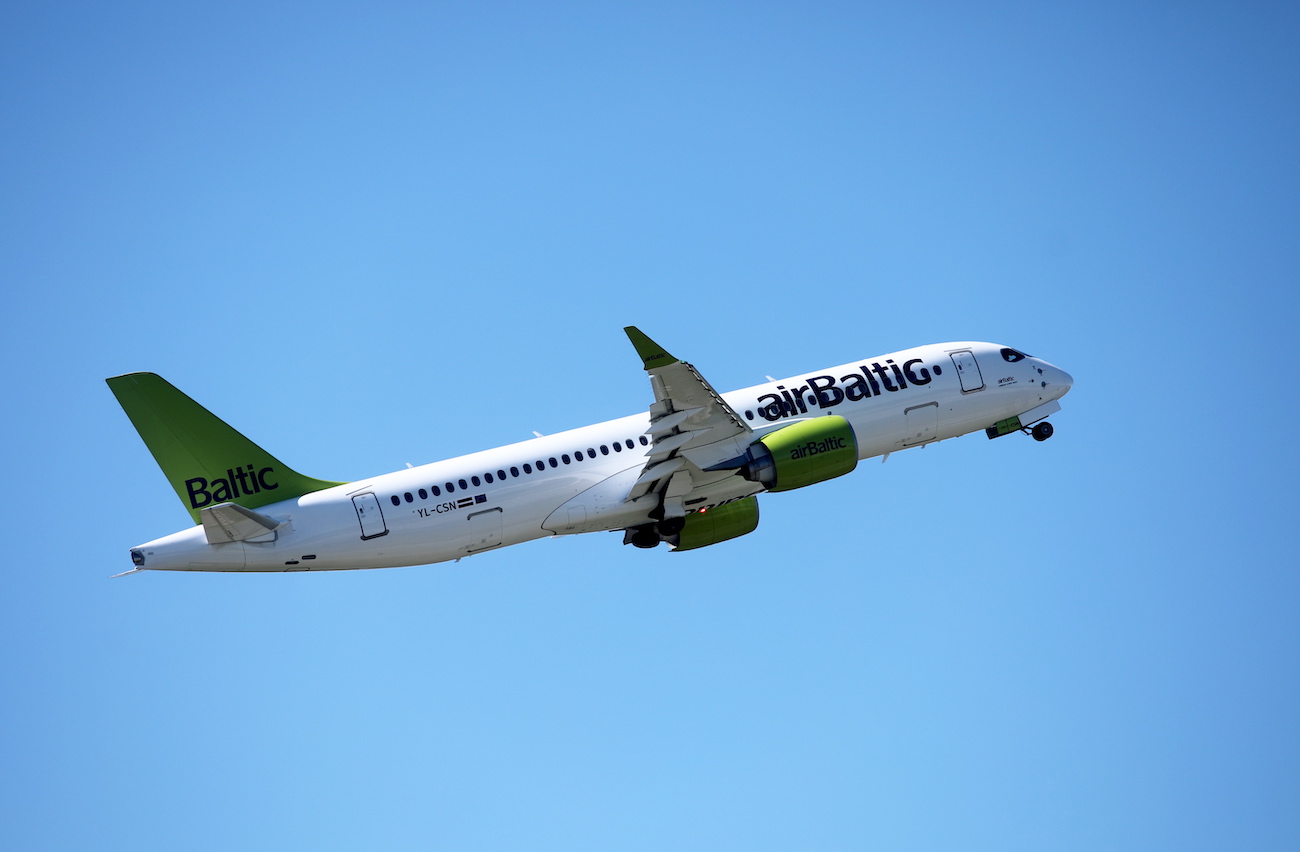
International credit rating agency Fitch Ratings has assigned a negative watch to both airBaltic's long-term issuer default rating (CCC-) and its 380 million euro secured bonds (CCC-), with a recovery rating of RR4. The decision reflects the airline's deteriorating financial flexibility and severe liquidity pressure. Without additional external support, Fitch warns that a liquidity crisis or debt restructuring meeting its distressed debt exchange criteria could occur.
Fitch analysts describe airBaltic’s financial profile as weak, with unsustainably high lease-adjusted debt and poor financial metrics that are expected to persist through the rest of 2026. On June 26, airBaltic failed to fund its bond reserve account to the required level of approximately 21 million euros, leading to a higher quarterly interest payment on August 14 of 16.5%, up from 14.5%. The agency views this as evidence of weakening liquidity and a possible default this year. Without additional financing, debt restructuring may be necessary, and rising fuel prices are adding further pressure.
The 30 million euro short-term state loan granted in April has had limited impact. Similarly, any additional investment from owners—the Latvian state and Lufthansa—would have limited sustainability. Fitch also notes that EU regulations hinder timely and substantial state investment.
airBaltic Group posted a net loss of 70.064 million euros in the first quarter of this year, 2.4 times higher than in the same period of 2025. Revenue rose 12.3% to 149.086 million euros. For the full year 2025, revenue increased 4.2% to 779.344 million euros, while the net loss narrowed to 44.337 million euros. Passenger numbers reached 5.2 million, up 1% year-on-year.
Currently, the Latvian state holds 88.37% of airBaltic shares, Lufthansa 10%, and other investors 1.63%. Under the planned initial public offering (IPO), Lufthansa would hold at least 5%, and the state must retain at least 25% plus one share. In August last year, both the state and Lufthansa committed to investing 14 million euros each before the IPO. However, airBaltic has suspended its IPO and no longer considers it a capital source for 2026. Due to expected negative free cash flow in 2026, the airline will require an additional cash injection of 100 to 150 million euros for the 2026/2027 winter season.