Photographer Alina Birjuk looks for the baker's hand in Tallinn's croissants
Estonian photographer Alina Birjuk photographed croissants from Tallinn bakeries at the same scale and without bakery names. The project grew into a reflection on how Estonia and Switzerland value food and its producers.
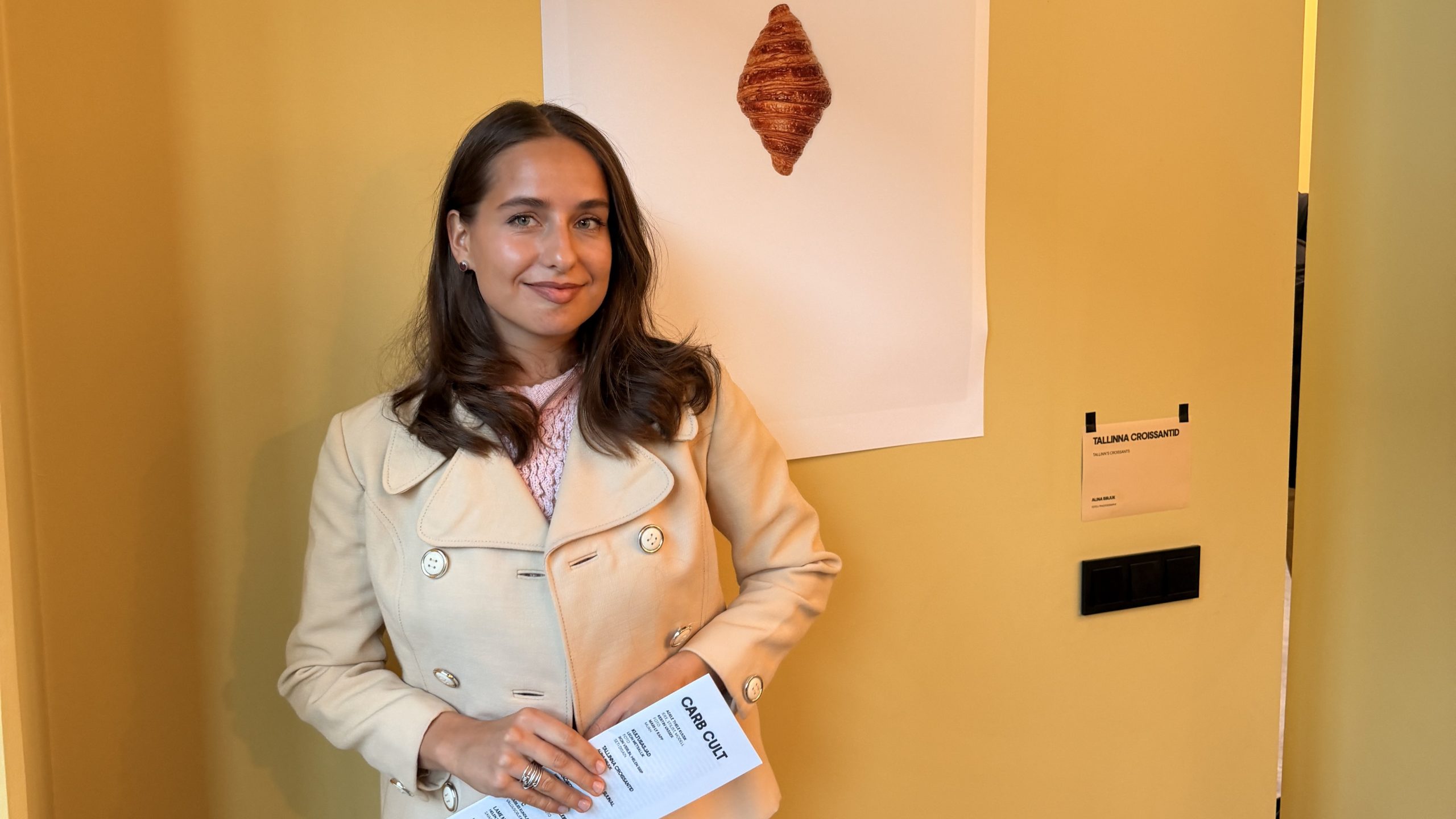
Estonian photographer Alina Birjuk, who now lives in Switzerland, has created a photo project on croissants from Tallinn bakeries. It began as a search for the perfect pastry, but turned into a portrait of the city's bakers and a reflection on what Estonia could learn from Switzerland about valuing food and the people who make it. Birjuk is also a contributor to Estonian World.
In the photographs, the croissants sit side by side on a white background, each given the same amount of space, and the bakery names are left off. There is no league table and no brand to tell viewers what to think. "I wasn't chasing flawless; I was chasing the trace of a hand behind the counter," she said. Selected works were shown in Tallinn in September 2026 in "Carb Cult", part of Design Night, in collaboration with Paper Mill.
Before returning to Tallinn, Birjuk spent months following the croissant trail in Zürich. She expected a clear winner, but found Tallinn's croissants "quietly, consistently good". The differences lay in details: Karjase Sai's flakes of salt, Crustum's yeast-free pastry, and the way François Boulangerie lets customers collect a fresh croissant from a box or service window.
What Switzerland taught her
In Switzerland Birjuk encountered restaurants and farms built around local produce. Swiss restaurants must state the country of origin of meat and fish. In 2024, organic products made up 12.3 per cent of Swiss food sales, with annual spending of €481 per person, according to the Research Institute of Organic Agriculture.
Estonia has 22.5 per cent of its farmland in organic use, but produces only about 30 per cent of the vegetables it consumes, down from around 60 per cent a decade earlier. The country wastes about 167,000 tonnes of food a year, worth an estimated €164 million. Birjuk would like to see more appreciation of Estonian producers and fair pay for their work.
With Swiss photographer Céline Müller she runs Ruhe Visits, a project documenting farms, restaurants and craftspeople.