Hundreds of thousands rally across France in support of schoolchildren and against heavy policing
At least 400,000 people joined protests in French cities on Saturday to back high school students' demands for more teachers and building repairs. Clashes with police followed the Paris march, and almost 1,000 people were arrested nationwide.
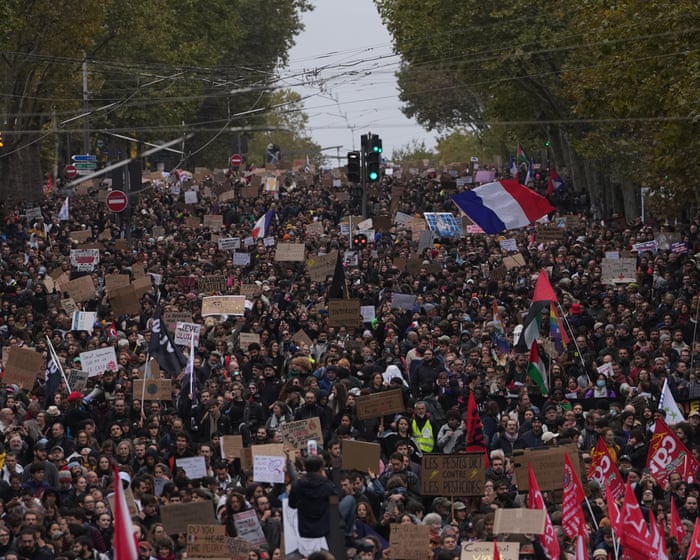
Hundreds of thousands of people took to the streets of French cities on Saturday, 24 October, to support schoolchildren's demands for more teachers and repairs to run-down school buildings. The protests come as President Emmanuel Macron, whose term ends next year, faces a social and political crisis.
The government estimated that at least 400,000 people took part nationwide, while trade unions put the figure at double that. In Paris, at least 110,000 marched along the eastern edge of the city. Participants backed high school students but also complained about the high cost of living and the government's heavy-handed policing. In their view, riot police had been deployed against school protesters over the past month instead of political solutions being offered.
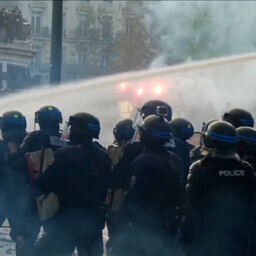
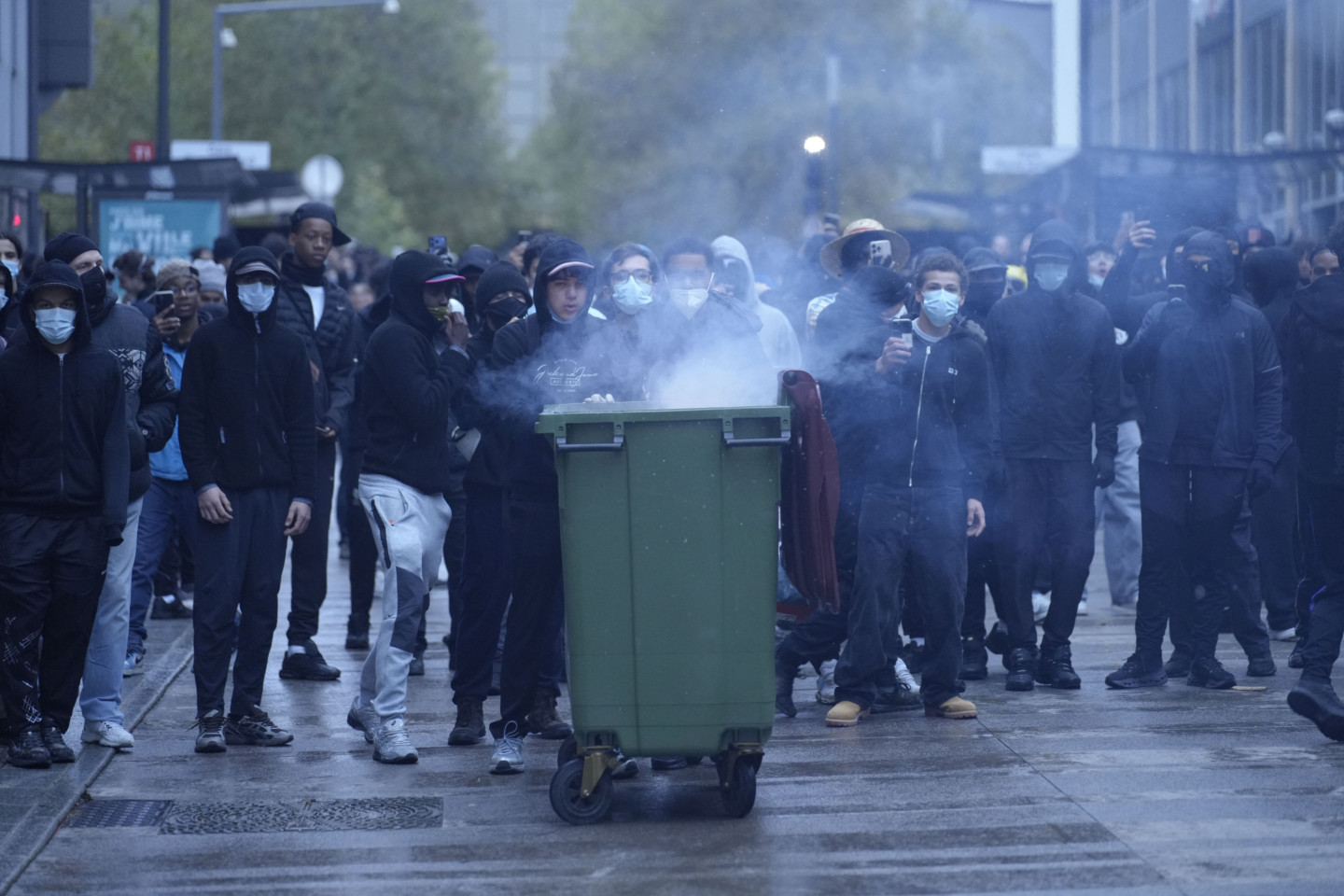
The Paris march was largely peaceful, with brass bands playing and children and grandchildren present. After it ended at Porte de Vincennes, groups of masked men dressed in black, who did not appear to have been part of the march, threw glass bottles and stones at police. Officers responded with teargas, water cannon and stun grenades. Police also used teargas in Lyon, Lille, Montpellier, Nantes and Toulouse to stop protesters reaching city centres, and bins were set on fire in Marseille.
The interior ministry reported almost 1,000 arrests. More than 70,000 police were on duty. Last Saturday saw one of the most violent days of unrest in years, with public buildings burned, hundreds of shops destroyed and looted, and at least 2,700 people arrested.
Origins of the crisis
The crisis began in mid-September, when pupils aged 15 to 18 started protesting against staff shortages, leaking and crumbling buildings, and a lack of chairs in overcrowded classrooms. The movement grew into the biggest youth movement in years, joined by trade unions, teachers and parents. Police investigations are under way after some children and protesters were maimed or injured by explosive police weaponry.
Many demonstrators expressed anger at Macron for banning non-union protests that the government deemed illegitimate and for keeping protesters out of city centres.
In Orléans, thousands of people chanted anti-fascist slogans in protest at a congress of the far-right National Rally party led by Marine Le Pen, a frontrunner in next year's presidential election.