Light wakes sleeping cancer cells and makes them vulnerable again
Swiss researchers developed a light-controlled system that destroys glucocorticoid receptors in cancer cells, bringing them out of dormancy and making them more susceptible to therapy. The system spares healthy tissue by using light to selectively deactivate the process.
A new method to awaken cancer cells
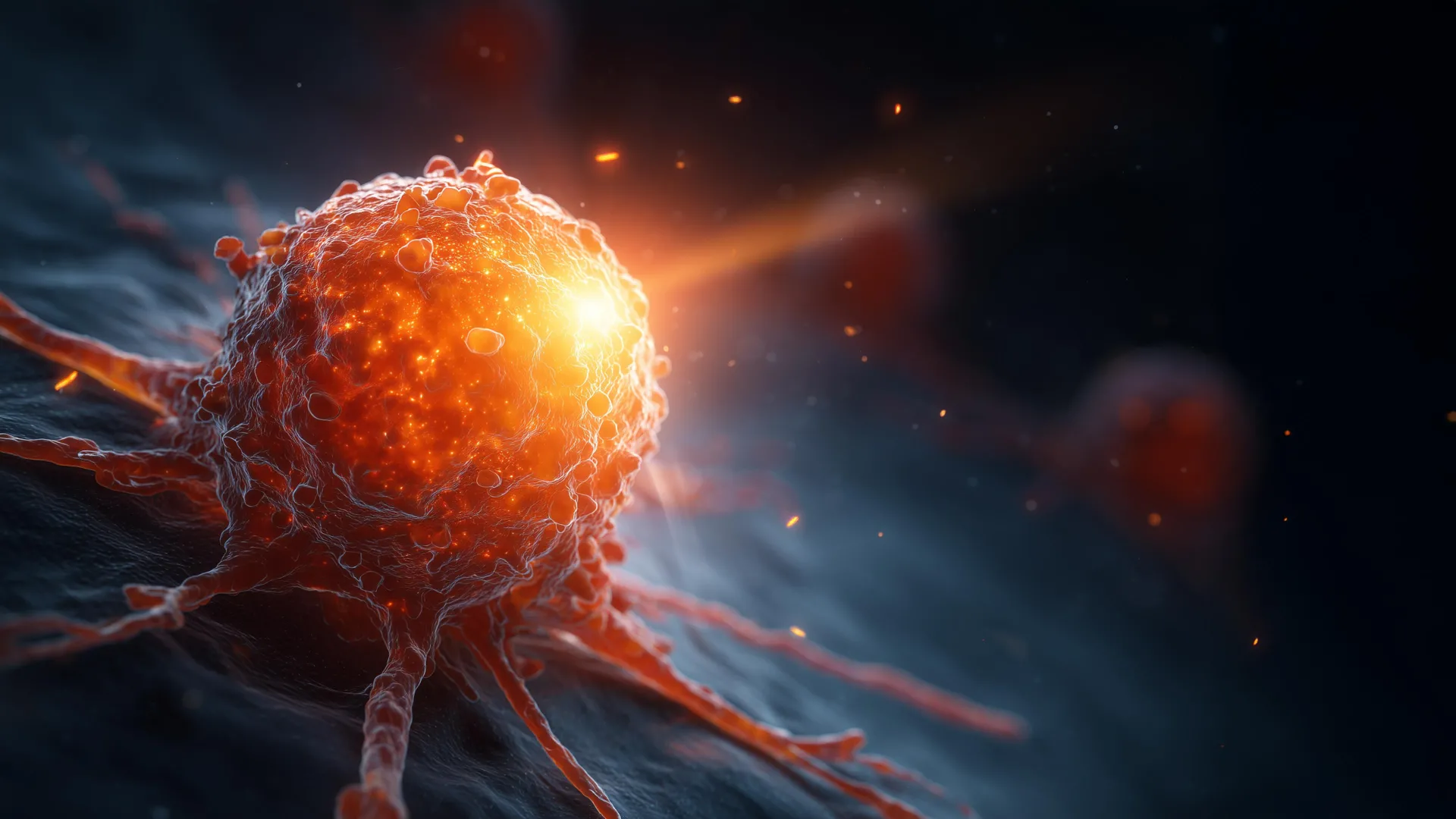
Some cancer cells can enter a dormant, sleep-like state that helps them survive treatment. Instead of growing and dividing, these cells become largely inactive, allowing them to avoid the effects of many cancer drugs. In certain forms of cancer, including some types of lung cancer, stress hormones trigger this response via glucocorticoid receptors. Once activated, these receptors push cells into dormancy, reducing cell division and therapy effectiveness. Researchers have sought ways to disable these receptors and wake the cells, making them easier to target.
Targeted approach spares healthy tissue
Glucocorticoid receptors are found throughout the body and play essential roles in controlling inflammation and supporting normal immune function. Eliminating them everywhere would cause serious side effects. Scientists at ETH Zurich have created a system that destroys these receptors inside tumor cells while using light to selectively switch off the process in nearby healthy tissue. "This system is based on existing medical technology and therefore offers a realistic prospect of localized therapies," says Robin Scheuplein, joint first author of the study.
How the light switch works
The new approach harnesses a natural cellular recycling process. The team designed a molecular switch with three parts: one attaches to the glucocorticoid receptor, another to the enzyme responsible for tagging proteins for disposal, and between them is a flexible connector. Under normal light, the connector stays extended, positioning the enzyme to tag the receptor for destruction. When exposed to a specific wavelength of light, the connector bends, preventing tagging and receptor destruction.
Laboratory results and future prospects
In lab cultures of lung cancer cells, the treatment rapidly broke down glucocorticoid receptors within tumor cells. Analyses of gene activity indicated the cells emerged from dormancy. "Of course, this will now need to be verified in living organisms as well," says Scheuplein. One limitation is that light penetrates only a few millimeters into tissue. For lung cancer, an endoscope could be used. For deeper tumors, the team hopes to develop versions responding to near-infrared light. The modular system could also target other receptors, such as estrogen receptor in breast cancer or androgen receptor in prostate cancer.