Hague court convicts ex-Kosovo president Thaci a second time, over witness interference
The Kosovo Specialist Chambers in The Hague has convicted former Kosovo President Hashim Thaci of obstructing justice and trying to influence witnesses, sentencing him to 17 months. The ruling has reignited debate in Kosovo over justice and the court.
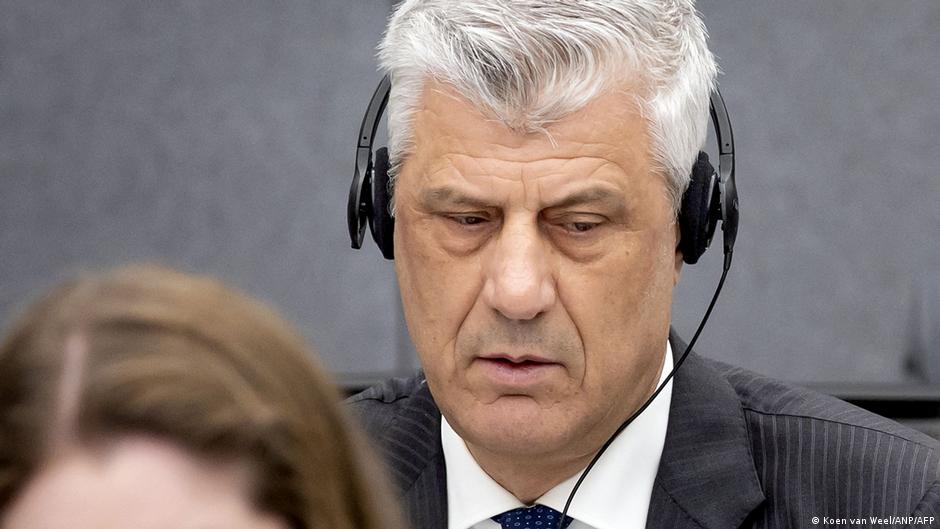
The Kosovo Specialist Chambers, a court in The Hague, on Tuesday convicted former Kosovo President Hashim Thaci of obstructing justice and attempting to influence witnesses during his war crimes trial. He received 17 months in prison, to be added to the 25-year war crimes sentence the same court imposed on 16 September. The verdict has renewed debate in Kosovo about justice and trust in judicial institutions.
What the court found
According to the Specialist Prosecutor's Office indictment, Thaci passed confidential information about witnesses to visitors at the detention facility in The Hague and instructed them on how to influence testimony. Three other men were also convicted: Bashkim Smakaj, former head of the Kosovo Intelligence Agency; Hajredin Kuci, a former justice minister; and Fadil Fazliu.
Thaci was the political leader of the Kosovo Liberation Army (KLA) during the 1998–1999 Kosovo War, and many in Kosovo regard him as a hero. The September verdict was met with anger and dismay, and he has said he will appeal it.
The court
Kosovo's parliament set up the Specialist Chambers in 2015, at the urging of the European Union and the United States, to investigate serious crimes allegedly committed by KLA members during and after the war. Because of security concerns, including witness intimidation, it sits in The Hague, the Netherlands.
Government and parliament response
The government said justice must not only be done but be fair, transparent and credible. After the September verdict, it formed a working group, chaired by Foreign Minister Glauk Konjufca, to draft an appeal strategy. Prime Minister Albin Kurti said the group considers the first-instance judgment unjust legally and morally and that the government is seeking a correction on appeal.
Parliament is also weighing amendments to the law governing the court. The draft would narrow its mandate, cap prison sentences at 15 years, allow sentences to be served in Kosovo and introduce presidential pardons for people convicted by final decisions.
Experts' views
Political analyst Artan Muhaxheri said the initiative could at first glance look like interference in the judicial process, so it must be shown not to conflict with Kosovo's obligations toward the EU. Ehat Miftaraj, executive director of the Kosovo Law Institute, said there is a fundamental difference between legally grounded criticism of courts and attempts to delegitimize them, adding that there is room for criticism of both sides.