Honda partners with QuantumScape to advance solid-state battery technology
Honda has announced a partnership with California-based QuantumScape to develop solid-state batteries, a technology promising greater range, faster charging and improved safety. The move is part of Honda's broader push toward carbon neutrality by 2050.
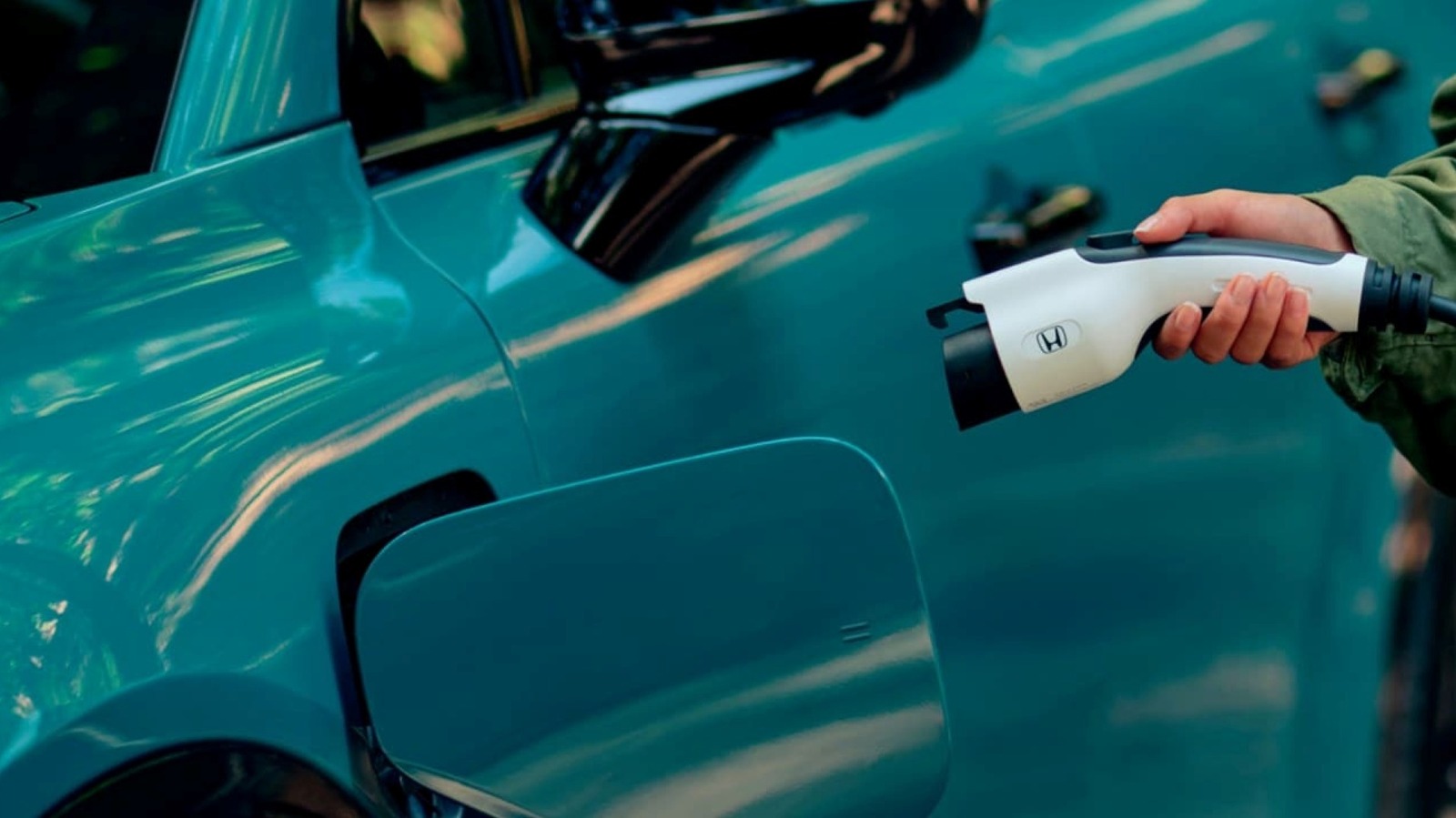
Honda has announced a partnership with California-based battery developer QuantumScape to research and develop solid-state batteries and related manufacturing techniques. The announcement came in June, shortly after Honda canceled the North American launch of three electric models — the Honda 0 SUV, Honda 0 Saloon and Acura RSX — contributing to the company's first annual financial loss in nearly 75 years. The deal signals that Honda is betting on solid-state technology as a key part of its EV strategy.
QuantumScape, based in San Jose, is known for developing next-generation solid-state lithium-metal batteries. It already struck a similar deal with Volkswagen's battery company PowerCo last year. Atsushi Ogawa, chief operating officer at Honda R&D's Research Center of Excellence, said QuantumScape's platform showed "compelling and unique advantages" in a technical study and could add value across a range of applications. QuantumScape also sees its batteries as a solution for data centers, drones and robotics. Honda aims to reach carbon neutrality by 2050.
Solid-state batteries replace the liquid electrolytes used in standard lithium-ion batteries with solid materials such as oxides, sulfides or polymer salts. This allows the use of more energy-dense anodes, including lithium metal. QuantumScape describes its cells as "anode-free," with the anode forming in situ on the first charge. The technology promises higher energy density, potentially increasing an EV's range from 350 to 400–500 miles. Recharging could reach 80–90% in minutes. Solid electrolytes eliminate leakage risk, are non-flammable, degrade less and can operate at extreme temperatures. They could also reduce dependence on graphite anodes from Chinese suppliers.
Honda began its solid-state push in 2024, with plans to produce prototypes in Sakura City, Japan. The new partnership will use QuantumScape's Eagle Line facility to produce its QSE-5 cells, which debuted in a Ducati V21L prototype. Honda expects the technology could double the range of its EVs by the end of the decade, and aims to make all its sales electric by 2040.
Competition is intensifying. Chinese firms BYD and CATL plan small-scale solid-state production next year, while Dongfeng is pursuing a 600-mile solid-state EV. Nissan is working with Gelion toward an all-solid-state line by 2028. Toyota, with more than 1,000 patents, is partnering with Sumitomo Metal Mining and projects solid-state EVs by 2028. BMW is testing solid-state cells in an i7 prototype, Volkswagen is testing a battery with a reported 620-mile range, and Karma Automotive plans a Factorial-powered super-coupe in late 2027. Still, solid-state batteries are unlikely to replace lithium-ion in the near term because of cost and scalability challenges. Honda's bet on QuantumScape nonetheless highlights the technology's potential.